Always get user consent before sending marketing texts so customers know exactly what they’re signing up for.
Keep messages relevant and timely by sending updates, offers, and reminders that match each customer’s interests or needs.
Avoid over-messaging because too many texts can quickly lead to opt-outs, complaints, and lower engagement.
Provide opt-out options in every campaign so customers can unsubscribe easily when they no longer want messages.
Follow compliance rules to protect your business, your customers, and your brand reputation.
Why SMS Marketing Best Practices Matter
SMS marketing gives businesses a direct line to customers. Unlike email or social media, text messages land right on a person’s phone, making them fast, visible, and hard to miss. When people give you permission to text them, they’re trusting you with one of their most personal communication channels. How you handle that trust determines your results.
High Engagement Comes with Responsibility
SMS is great for appointment reminders, limited-time offers, urgent updates, and customer follow-ups. But high visibility comes with higher expectations. Customers expect texts to be useful, clear, and worth their attention, which is why best practices like opt-in messaging, message relevance, personalization, and a clear unsubscribe mechanism matter.
Poor Practices Lead to Opt-Outs and Blocking
Sending too many texts, generic content, or poorly timed messages will cause customers to tune out, opt out, or report your number. Poor practices can also hurt deliverability, meaning fewer customers receive your campaigns in the first place.
Compliance Violations Can Be Costly
SMS marketing is not a “send whatever you want” channel. Businesses must follow applicable laws and messaging rules, including the Telephone Consumer Protection Act, often called the TCPA. The FCC has reinforced that certain robocalls and robotexts require prior express consent, and marketing messages often require prior express written consent.
The CTIA’s Messaging Principles and Best Practices also emphasize consumer consent, opt-in records, clear calls-to-action, opt-out options, and the need to avoid unwanted messages. The GSMA’s messaging standards similarly highlight the importance of maintaining consumer trust through consistent, high-quality business messaging practices.
This is why compliance is not just a legal box to check. It protects your business, supports customer trust, and helps prevent costly mistakes.
The most important rule of SMS marketing is simple: get permission first.
Your opt-in process should explain the type of messages customers will receive, how often they can expect them, and how they can opt out. Consent should also be documented — keep records of when someone opted in, how they opted in, and the phone number they provided.
Never assume a phone number equals permission. Buying from your business or filling out a general contact form is not the same as agreeing to receive SMS marketing. Twilio’s guide to U.S. SMS compliance outlines how consent and opt-in documentation work in practice.
2. Do Personalize Your Messages
Customers are more likely to engage when messages feel relevant to them. Personalization can be as simple as using a customer’s name, referencing their appointment, or tailoring messages based on past behavior:
“Hi Sarah, your appointment is confirmed for Tuesday at 2 PM.”
“Flash sale at our Tampa location today only. Show this text for 15% off.”
Personalized messages reduce opt-out rates because customers receive content that actually applies to them.
3. Do Send Messages at the Right Time
Timing can make or break an SMS campaign. For most businesses, the safest approach is to send texts during normal daytime or early evening hours in the recipient’s local time zone. Avoid late-night or early-morning promotional messages unless the text is urgent and expected, such as an emergency alert or time-sensitive operational update.
Good timing also depends on the message type. A restaurant might send a lunch promotion in the late morning. A salon might send an appointment reminder the day before. A school, church, or local organization might send event reminders a few hours before the event.
4. Do Segment Your Audience
Not every customer should receive every message. Segmentation lets you group contacts by location, customer type, purchase history, or communication preference instead of blasting your entire list.
A small business might segment into new customers, repeat customers, VIPs, event attendees, and inactive customers. Better targeting means better engagement and fewer unnecessary opt-outs.
5. Do Provide Clear Value
Every text should answer one question: “Why does this matter to the customer?” If the message doesn’t offer a discount, reminder, update, or helpful next step, it probably doesn’t need to be sent. The more useful your texts are, the more likely customers are to stay subscribed.
5 Don’ts of SMS Marketing
1. Don’t Send Messages Without Permission
Sending texts without permission is one of the fastest ways to damage trust and create compliance risk.
This includes uploading old customer lists, buying phone numbers, texting people who gave you their number for another purpose, or sending promotional messages after someone has opted out.
SMS marketing should be permission-based. If you don’t have clear consent, don’t send the message.
2. Don’t Over-Send Messages
SMS works because it’s direct. But that also means it can feel intrusive if you send too often.
There’s no perfect frequency for every business, but the key is to set expectations and stay consistent. If customers signed up for weekly offers, don’t start sending daily texts without warning. If they only expected appointment reminders, don’t add them to your promotional list.
A good rule: send when you have something timely, useful, or valuable to say.
3. Don’t Use Generic Messaging
Generic messages are easy to ignore.
A text like “Big sale today” gives customers little reason to act. A better message is direct, specific, and relevant:
“Today only: Get 20% off all oil changes at our downtown location. Book here: [link]”
Generic messaging often happens when businesses skip segmentation. The more you understand your audience, the easier it is to send messages that feel useful instead of random.
4. Don’t Ignore Opt-Out Requests
Every SMS marketing campaign needs an easy way to unsubscribe.
Use clear language like “Reply STOP to opt out.” If someone opts out, honor that request promptly. Don’t keep sending them messages, don’t move them to another list, and don’t make the process difficult.
Opt-out requests are part of customer consent. Respecting them helps you maintain compliance, reduce complaints, and protect brand reputation.
5. Don’t Send Irrelevant Content
Irrelevant texts are one of the biggest reasons people unsubscribe.
A gym member who only signed up for class reminders may not want retail promotions. A customer in one city probably doesn’t need updates about a sale in another location. A one-time event attendee may not want weekly marketing messages unless they opted in for them.
Before sending, ask:
Who needs this message?
Is this relevant to the recipient?
Did they agree to receive this type of text?
Is the timing appropriate?
Does the message provide value?
If the answer is no, narrow your audience or don’t send it.
Common SMS Marketing Mistakes to Avoid
Lack of Segmentation
Sending every message to every contact usually isn’t effective. Even basic segmentation by location, customer type, or campaign interest can meaningfully reduce opt-outs and improve relevance.
Poor Timing
A strong message can fail if it’s sent at the wrong time. A lunch offer sent at 8 PM is too late. A promotional message sent late at night may frustrate customers. Timing should match the action you want the customer to take.
No Clear CTA
Every marketing text should include a clear call-to-action. Customers should know exactly what to do next, whether that’s clicking a link, replying with a keyword, or confirming an appointment.
Weak CTA: “Our sale is happening soon.”
Strong CTA: “Shop the sale today: [link]”
Keep the CTA short, direct, and easy to follow.
Ignoring Compliance
Compliance should be built into your SMS marketing process from the beginning. That means collecting consent properly, documenting opt-ins, providing opt-out instructions, and honoring unsubscribe requests. Ignoring compliance can lead to regulatory violations, customer complaints, and reputation damage.
Best Practices for High-Performing SMS Campaigns
Keep Messages Short and Clear
SMS is not the place for long explanations. Every message should cover who it’s from, what’s being offered, and what the customer should do next.
Example: “DialMyCalls: Reminder, your webinar starts at 2 PM today. Join here: [link]. Reply STOP to opt out.”
Use Clear Call-to-Actions
Your CTA should be impossible to miss. Use direct action words like Book, Call, Reply, Shop, Confirm, or Claim. Avoid vague language — a customer should never have to guess what happens next.
Optimize Timing and Frequency
Message frequency should match what customers signed up to receive. If they opted in for weekly updates, weekly texts are reasonable. Test different send times and track when customers click, reply, or unsubscribe to find the best schedule over time.
Track and Improve Performance
SMS marketing should not be “set it and forget it.” Track delivery rate, click-through rate, opt-out rate, and conversions. If opt-outs rise, you may be sending too often or targeting the wrong audience. Performance data helps you improve each campaign and protect long-term engagement. According to Twilio, carriers may filter or block traffic on numbers with high opt-out rates, which is another reason performance tracking matters.
How DialMyCalls Helps You Follow SMS Best Practices
helps businesses send clear, timely, and organized text messages without making the process complicated. Whether you’re sending customer alerts, appointment reminders, event updates, internal notifications, or promotional campaigns, the platform gives you the tools to communicate more effectively.
Easy Opt-In Management
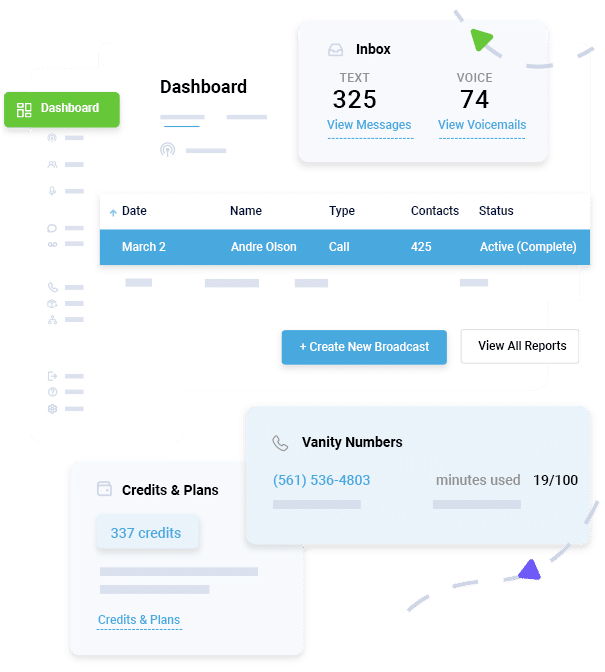
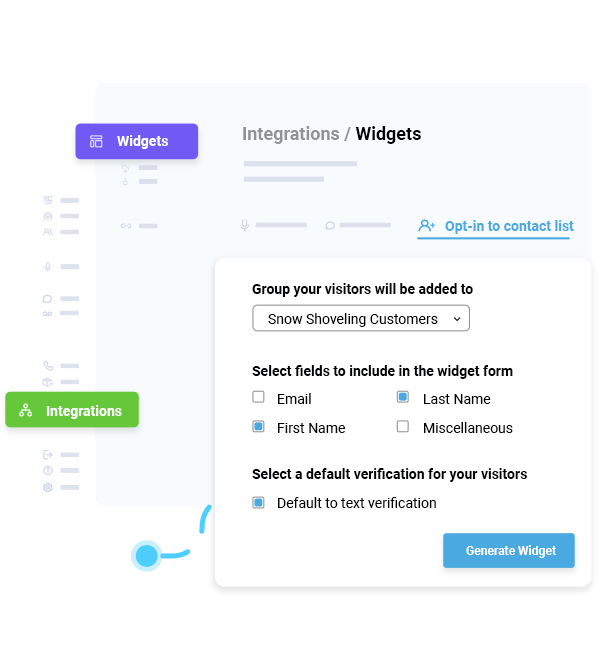
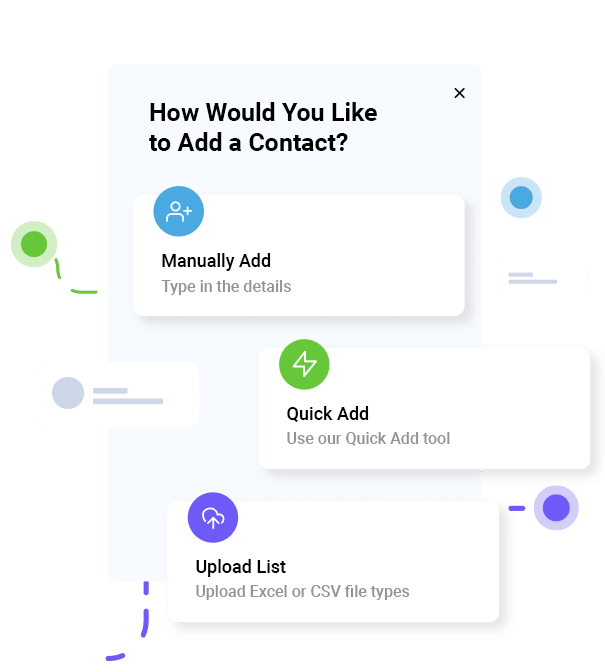
DialMyCalls helps you build and manage contact lists so your messages go to people who want to receive them. You can organize contacts, keep list data clean, and support permission-based communication.
This makes it easier to maintain customer consent and avoid sending messages to the wrong audience.
Message Scheduling
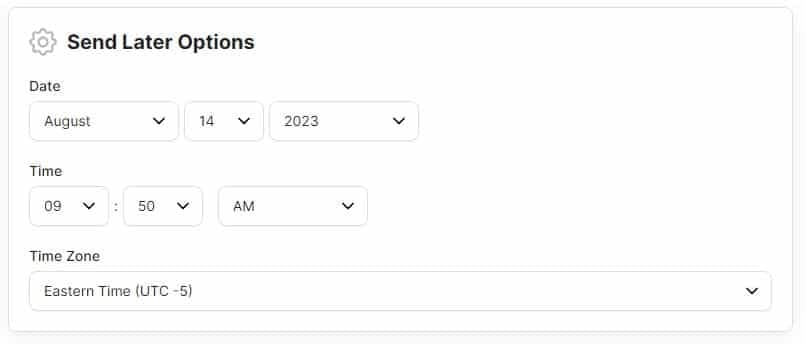
With message scheduling, you can plan texts in advance and send them at the right time. Scheduling helps businesses stay consistent without needing to send every message manually.
Audience Segmentation
DialMyCalls lets you organize contacts into groups so you can send more relevant messages.
You can create segments for customers, employees, members, locations, departments, volunteers, event attendees, or any audience that makes sense for your business.
Better segmentation means better targeting, better engagement, and fewer unnecessary opt-outs.
Compliance-Friendly Features
DialMyCalls supports responsible texting by helping businesses manage contacts, send clear messages, and include opt-out language where appropriate.
While every business is responsible for understanding its own legal requirements, using a structured SMS platform makes it easier to follow best practices instead of relying on messy spreadsheets or manual texting.
Conclusion: SMS Marketing Best Practices Build Better Results
SMS marketing works best when it’s built on trust.
That means getting clear consent, sending relevant messages, respecting customer preferences, avoiding over-messaging, and making it easy to opt out. These best practices improve customer engagement, reduce opt-out rates, support compliance, and protect your brand reputation.
The businesses that get the best results from SMS are not the ones that text the most. They are the ones that text with purpose.
If you’re ready to send smarter, more effective SMS campaigns, DialMyCalls makes it easy to reach your audience with text messages, voice calls, and emails from one simple platform.
SMS marketing best practices are the guidelines businesses follow to send useful, compliant, and effective text campaigns. They include getting customer consent, using opt-in messaging, sending relevant content, controlling message frequency, personalizing texts, and offering a clear unsubscribe mechanism.
Is SMS marketing legal?
Yes, when businesses follow applicable laws. This generally means getting proper customer consent, providing opt-out instructions, and honoring unsubscribe requests. Regulations vary by message type and location, so consult legal guidance when needed.
How often should I send SMS marketing messages?
It depends on what customers signed up to receive. Set expectations during opt-in, keep messages valuable, and watch opt-out rates for signs you may be sending too often.
How do I improve SMS engagement?
Send relevant messages to segmented audiences, personalize content, use clear CTAs, keep messages short, and optimize send timing. Track click-through rates, conversions, and opt-outs to improve future campaigns.
Maximize Outreach, Save Time
Start Transforming Your Communication with Mass Texting
Tim Smith is the Media Manager at DialMyCalls, where he has leveraged his expertise in telecommunications, SaaS, SEO optimization, technical writing, and mass communication systems since 2011. Tim is a seasoned professional with over 12 years at DialMyCalls and 15+ years of online writing experience.
“I am a youth minister and have spent hours in the past calling students individually to remind them of an upcoming event or to get out an urgent announcement. With DialMyCalls.com, I cut that time down to about 1 minute. I also love how I can see exactly who answered live and how long they listened so I know if they heard the whole message. DialMyCalls.com is the best website I have stumbled upon all year! Thanks!”
Real Results, Real ReviewsOver 40,000 customers trust our platform – and it shows.
4.3
502 Reviews
4.7
836 Reviews
Author
Tim SmithMedia Manager
Tim Smith is the Media Manager at DialMyCalls, where he has leveraged his expertise in telecommunications, SaaS, SEO optimization, technical writing, and mass communication systems since 2011. Tim is a seasoned professional with over 12 years at DialMyCalls and 15+ years of online writing experience.
“I am a youth minister and have spent hours in the past calling students individually to remind them of an upcoming event or to get out an urgent announcement. With DialMyCalls.com, I cut that time down to about 1 minute. I also love how I can see exactly who answered live and how long they listened so I know if they heard the whole message. DialMyCalls.com is the best website I have stumbled upon all year! Thanks!”
Fill out the form below to get a fast custom pricing quote specific for your
organization.Want to speak to our sales team now? Call us at
1-800-928-2086
Thank you!
A representative will be reaching out to you soon.
For immediate help you can call us on
800-928-2086.
Try Out DialMyCalls Now?
Enter a new password and click create account and you'll be able to send 25 test messages now.
Send A Sample Broadcast
We'll send a sample call or text to your phone right now. Remember when you use DialMyCalls you can record your message in your own voice. When the phone rings just pick up and say "Hello" to hear the message.