Professional text messages exist as a legitimate way for businesses to communicate, but their effectiveness depends on context and careful execution. Texting is appropriate for time-sensitive updates, confirmations, brief follow-ups, and operational alerts, while sensitive, detailed, or first-contact conversations are often better handled via calls or email. Following established professional texting rules helps businesses maintain credibility and prevent miscommunication.
You need to get a message out fast. A schedule change, a reminder, an update that can’t sit in an inbox. Sending a text seems like the most efficient option. But that raises a common question: Is there such a thing as a professional text message?
With many organizations now relying on automating text messages for alerts, reminders, and updates, SMS has become a standard part of business communication. It works well for customers, but what about clients, staff, or partners?
A poorly written professional text comes across as careless and unclear. A well-written one feels timely, respectful, and useful. The difference comes down to knowing how to communicate with consideration.
These five rules outline when texting makes sense, when it doesn’t, and how to use SMS in a way that keeps communication respectful.
Maximize Outreach, Save Time
Start Transforming Your Communication with Mass Texting
The simple answer is: Yes, texting can be used as a professional way to communicate. Many actually prefer it, with nine out of ten consumers wanting brands to communicate with them via SMS.
Here’s when texting is acceptable in a business setting:
Time-sensitive updates like schedule changes, delivery notices, or meeting reminders.
Confirming appointments, orders, or reservations with a simple reply to keep operations moving.
Brief follow-ups after a call or meeting to confirm details or next steps.
Emergency or safety alerts that require immediate attention from staff or clients.
While texting is efficient and direct, it’s not always the best choice. Some conversations need more depth, formality, or privacy, which is why texting should be balanced with other channels.
Here’s when texting isn’t appropriate:
Sending sensitive or detailed information.
Sharing bad news or addressing performance concerns.
Explaining complex topics.
Reaching out to people who have not given consent or texting outside of agreed-upon contact preferences.
Texting inside your internal team is also different from client communication. Workplace communication within your teams can be more direct and operational. Texts sent to clients or partners should follow stricter business texting etiquette.
When texting, context and consent are non-negotiable. Whoever the recipient is, they should always know why you’re texting them and what type of messages to expect.
These professional texting rules will help you send messages that are respectful and practical, so your business can communicate effectively with clients, staff, and partners.
Rule 1: Avoid Abbreviations and Slang
Common text abbreviations like LOL, OMG, TTYL, BRB, IDK, IDC, and OMW are fine among friends, but they’re too casual in professional messages.
Take this, for example:
Bad:“C U at 3, TTYL”
Good:“See you at 3 p.m. I’ll follow up afterward.”
Using slang or shorthand undermines clarity and tone, which goes against good texting etiquette for business.
Abbreviations may also confuse recipients, especially if English isn’t their first language or if they’re from a different cultural background. Respectful texting that’s free of slang ensures your texts are well received.
Rule 2: Don’t Use Texting as a First Point of Contact
A new client reaches out, and instead of a quick call or intro email, you send a text to schedule next steps. That first interaction sets expectations, and starting it over text can make the relationship feel purely transactional before it even begins.
First impressions set the tone. Calls or face-to-face conversations give people more to work with. Voice, pacing, and basic rapport matter early on, and texting assumes a level of comfort that usually hasn’t been earned yet. Text messages remove those cues, which makes it harder to build trust or show credibility.
However, there are exceptions. If someone has opted in to receive texts or you have an established relationship, texting is already expected for follow-ups or logistics.
For instance, texting is ideal for operational messages, like confirming appointments or details (after initial contact). For first-time outreach, such as sales or new-client introductions, start with a call or an email. Texts should support existing relationships, not introduce them.
Rule 3: Keep Professional Texts Brief and Purposeful
Have a look at these two text messages:
Text #1:“Hi Sarah, thank you for meeting with us today. I wanted to recap all the points we discussed, including pricing, timelines, contracts, and next steps. Also, make sure to review the documents I sent and let me know if anything needs clarification before our next call.”
Text #2:“Hi Sarah, appreciate your time today. When you review the documents, let me know if you have any questions or concerns.”
Notice how the first text overwhelms the recipient with detail and multiple requests, while the second stays concise and focused. This makes it easier for Sarah to read and respond.
Respecting the recipient’s time is also key to professional etiquette. Texts should be short and clear, delivering only the essential information. Long texts can reduce clarity and increase the chance of misunderstandings, especially when readers skim or reply hastily.
If your message requires detailed explanations, context, or back-and-forth discussion, escalate to email, a call, or a face-to-face conversation. Texting works for quick updates, confirmations, reminders, or follow-ups.
Rule 4: Know When a Call (or Email) Is More Appropriate
A large part of knowing when to text vs call a client depends on the content of the message. As mentioned, texting is best for quick updates and simple confirmations. It falls short when a conversation requires nuance, thoughtful discussion, or greater discretion.
Some situations call for a different communication channel:
Sensitive information: Financial details, contract terms, account changes, or personal data shouldn’t be sent casually over SMS. A call allows you to explain the context, while an email provides a written record in a more secure format. Text messages can be forwarded, screenshotted, or viewed by someone other than the intended recipient.
Emotional conversations: Discussing performance specifics and issues or handling complaints deserves a human voice. Tone is easy to misread in text, whereas a phone call allows you to respond in real time and show empathy.
Privacy concerns: Privacy and compliance should also guide your choice. If a message includes confidential details, pause before sending it as a text. Think about who might see it on the other person’s screen.
In compliance-heavy industries like healthcare and education, communication standards are tighter for a reason. Laws such as the Health Insurance Portability and Accountability Act (HIPAA) protect patient information, while educational institutions have their own law for student data—the Family Educational Rights and Privacy Act (FERPA). In fields like these, texting may work for reminders, but detailed or personal information often requires secure systems or direct calls.
Rule 5: Respect Timing and Business Hours
When
you send a message matters just as much as what’s in it. An off-hours text, even if well-written, can feel inconsiderate.
From a legal standpoint, outreach such as marketing texts must comply with regulations on permitted contact hours. Courtesy, however, often sets a higher standard. Most businesses stick to normal working hours when contacting clients or staff. That shows respect for personal time.
Texting does offer some flexibility. Unlike a phone call, a text doesn’t demand an immediate response. Still, flexibility doesn’t mean you can text anytime. An early morning message can still feel intrusive.
Always consider the recipient’s time zone, especially when working with remote teams or clients in different regions. Also consider a mass notification system that lets you prepare updates in advance and send them during appropriate hours.
It can be. Avoiding these common mistakes will help keep your communication polished and effective:
Over-Texting
Bombarding a client or contact with multiple messages in a short time can feel pushy or desperate. Instead, consolidate your updates into a single but concise message, or follow up only when necessary.
Using Texting for Conflict Resolution
Texts lack nuance and can easily escalate misunderstandings. Address disputes or sensitive issues by phone or in person.
Sending Late-Night Messages
Even if a text seems urgent, sending messages outside normal business hours can annoy recipients. Stick to reasonable hours, accounting for time zones.
Assuming Tone is Understood
Without vocal cues or facial expressions, humor, sarcasm, or urgency can be easily misinterpreted. Write directly and keep your messages neutral in tone.
Treating SMS Like Chat Apps
Unlike with chat apps, SMS shouldn’t involve casual back-and-forth. Avoid threads of multiple rapid messages, as you’ll be perceived as uncertain.
Neglecting Opt-Ins and Consent
Messaging contacts without permission risks privacy violations and compliance issues. Always confirm opt-in status (explicit, active consent) before sending professional texts.
Sharing Sensitive or Confidential Information
Texts can be intercepted or misread. For private data, use secure platforms, encrypted email, or phone calls instead.
Following these guidelines protects your credibility and keeps your messages considerate rather than intrusive.
How DialMyCalls Supports Professional Text Messaging
For many businesses, relying solely on a phone call or email can slow communication and limit reach. DialMyCalls provides a single platform for managing and sending professional messages at scale.
DialMyCalls boasts the following features to support professional messaging:
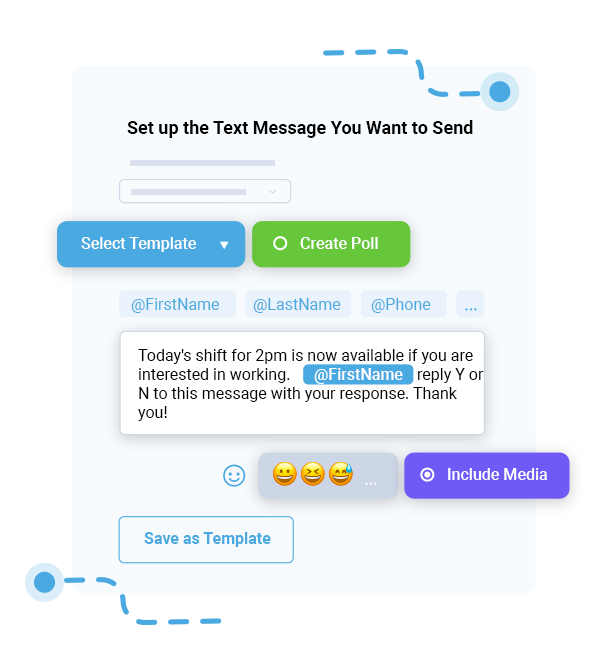
Mass Texting for Businesses
Send text messages to a full contact list in one send, keeping teams, clients, or members informed without manual work.
Controlled, Compliant Communication
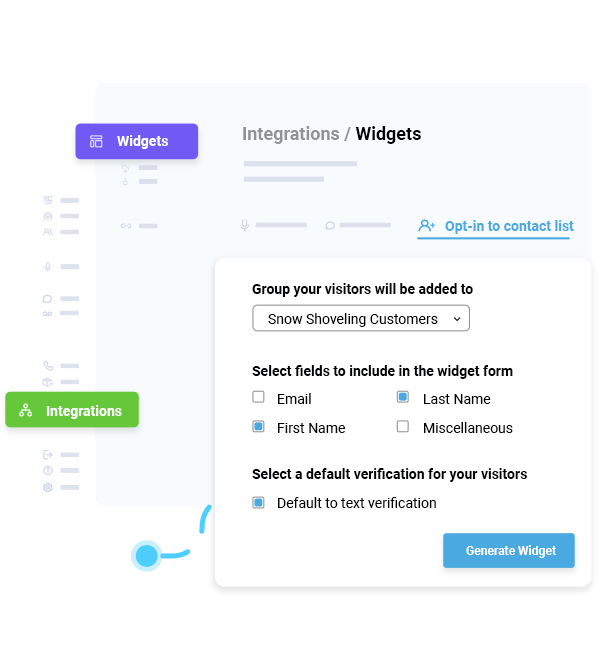
Use opt‑in lists, scheduling, and delivery tracking to respect consent and privacy across your messages.
Supports Voice + SMS
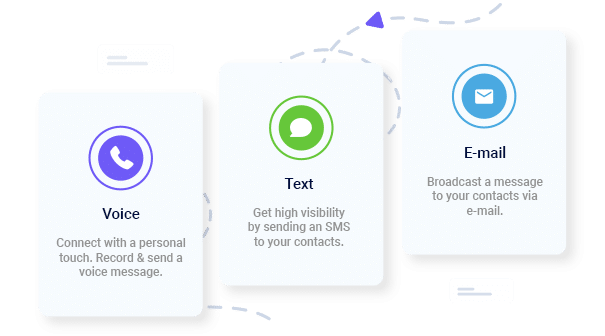
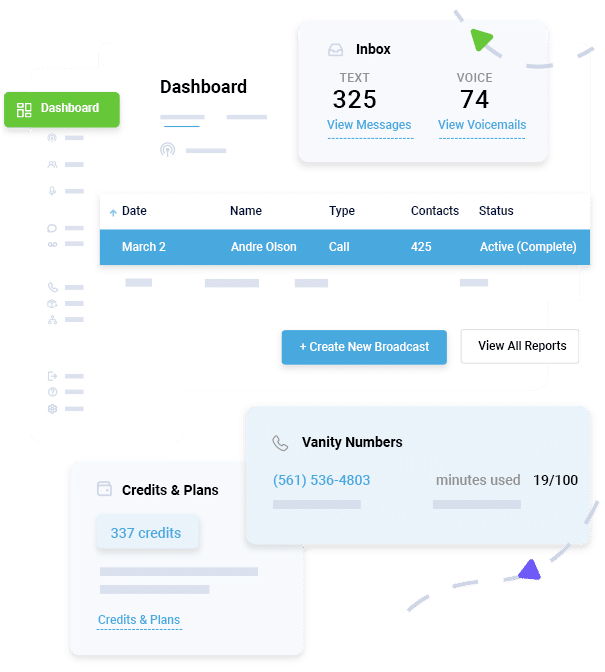
Broadcast automated voice calls and texts from the same dashboard, so communication fits the message type you need.
Useful Across Industries
Whether you’re in healthcare, retail, education, or a service field, DialMyCalls delivers alerts, reminders, and updates without the chaos.
Professional‑Grade Texting
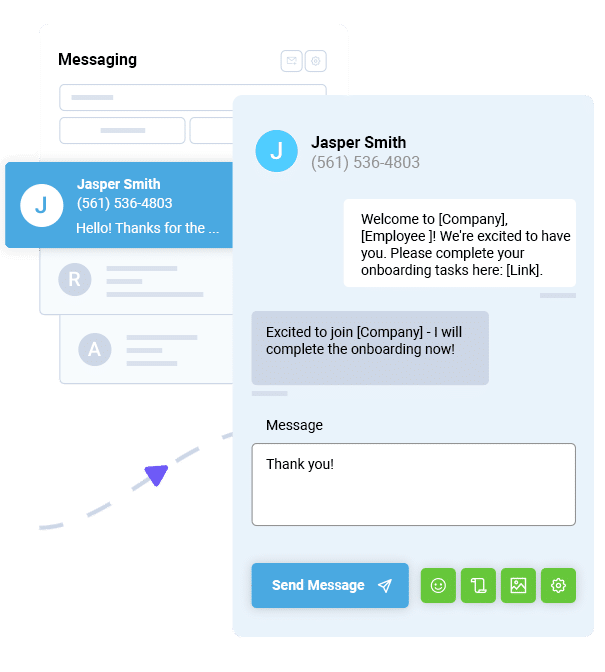
The platform handles large lists, scheduling, two‑way SMS, and detailed reports so your messages feel intentional and purposeful right from the first send.
With DialMyCalls, you can keep your messages professional, organized, and compliant, no matter how many people you’ll need to reach.
Stay on top of communications and send professional messages to the right people without the hassle.
Send Professional Texts With Confidence
Professional texting is a powerful tool, but it’s not a shortcut for all your business communications. Following professional texting rules helps you use SMS with judgment and context, ensuring every message is clear, respectful, and purposeful.
For businesses managing multiple contacts, DialMyCalls handles mass texting, voice messages, and controlled communication with professionalism and ease.
Yes. Texting can be a professional way to communicate when used thoughtfully. Short, clear messages that respect timing (like sending within business hours) and context (aligning the message with its content and your relationship with the recipient) are perfectly acceptable.
Is it okay to text a client instead of calling?
Yes, but it depends on the situation. Texting works for follow-ups, confirmations, or quick updates, while calls or emails are better for first contact, detailed discussions, or sensitive topics. The right communication method helps maintain professionalism with your clients.
What should you avoid in professional text messages?
Avoid slang, abbreviations, excessive messages, and discussing issues and conflicts. Don’t include sensitive information in a text. Keep messages concise and polite to avoid misunderstandings.
When should businesses not use text messages?
Texts shouldn’t be used for complex explanations, personal matters, or to contact someone without consent. Certain industries, such as healthcare and education, require secure channels for handling confidential information.
Are mass texts professional?
Yes. Mass texts can be professional when they’re planned, controlled, and sent respectfully. They’re ideal for alerts, reminders, or updates, as long as the messages are relevant and considerate of your recipients.
Michel Rondeau is an independent consultant with 20+ years in telecommunications, specializing in leadership, customer experience, and operations enablement. As a DialMyCalls contributor, he shares insights on communication and team development. A Prosci Certified Change Practitioner, he has received multiple industry awards and actively mentors professionals.
“I am a youth minister and have spent hours in the past calling students individually to remind them of an upcoming event or to get out an urgent announcement. With DialMyCalls.com, I cut that time down to about 1 minute. I also love how I can see exactly who answered live and how long they listened so I know if they heard the whole message. DialMyCalls.com is the best website I have stumbled upon all year! Thanks!”
Real Results, Real ReviewsOver 40,000 customers trust our platform – and it shows.
4.3
502 Reviews
4.7
836 Reviews
Author
Michel Rondeau
Michel Rondeau is an independent consultant with 20+ years in telecommunications, specializing in leadership, customer experience, and operations enablement. As a DialMyCalls contributor, he shares insights on communication and team development. A Prosci Certified Change Practitioner, he has received multiple industry awards and actively mentors professionals.
“I am a youth minister and have spent hours in the past calling students individually to remind them of an upcoming event or to get out an urgent announcement. With DialMyCalls.com, I cut that time down to about 1 minute. I also love how I can see exactly who answered live and how long they listened so I know if they heard the whole message. DialMyCalls.com is the best website I have stumbled upon all year! Thanks!”
Fill out the form below to get a fast custom pricing quote specific for your
organization.Want to speak to our sales team now? Call us at
1-800-928-2086
Thank you!
A representative will be reaching out to you soon.
For immediate help you can call us on
800-928-2086.
Try Out DialMyCalls Now?
Enter a new password and click create account and you'll be able to send 25 test messages now.
Send A Sample Broadcast
We'll send a sample call or text to your phone right now. Remember when you use DialMyCalls you can record your message in your own voice. When the phone rings just pick up and say "Hello" to hear the message.