Asking for prayer can feel a little awkward sometimes. We can easily imagine standing in a small group or staring at a blank prayer card, wondering how much to share. Do you keep it vague to protect your privacy, or do you lay it all out there and risk feeling overexposed?
Prayer is supposed to be the engine room of the church. But if the requests aren’t clear, the engine can stall. A powerful prayer request isn’t about using fancy spiritual language. It’s about inviting your community to carry a burden with you.
In this guide, we’re going to look at:
How to write requests that actually move people to action
Some real-world examples you can use today
How to make sure those requests actually reach the people who need to hear them using AI-powered solutions
Strengthen Your Church Ministry
Keep Your Congregation Connected with Mass Texting and Phone Calls
Sharing a request for prayers is an act of humility. It tells your church, “I need you.” That’s how a crowd of people becomes a real community.
The Three Buckets of Prayer
Most requests fall into one of these three categories:
Personal: Your health, your job, your marriage, or your mental health.
Congregation: Things that affect the whole church – like finding a new building or launching a youth program.
Urgent: The “right now” stuff. Accidents, sudden hospitalizations, or immediate crises.
Best Practices: How to Write a Request That Works
1. Be Specific
Instead of asking people to “pray for my week,” try: “I’m having a high-stakes meeting with my boss on Thursday at 10 AM. Please pray for clarity, strength of mind, and focus on my part.”
When you’re specific, people know exactly what to ask for, and even better, they’ll know exactly what to celebrate when you get an answer.
2. Keep It Confidential
If you’re asking for someone else, make sure they’re okay with it first. You’d never want a prayer request to come off as a rumor.
If you do receive the OK to share, your role shifts from a confidant to a gatekeeper. Even with permission, confidentiality is key. Unless they have explicitly asked for their full name and story to be broadcast, it is best to practice discretion. This means:
Stripping away identifiers: Use initials or general descriptions (e.g., “a friend in the medical field” or “a family member”) rather than specific names and workplaces.
Focusing on the Why, not the How: Focus on the emotional or spiritual need—like peace, healing, or clarity—rather than the messy details of the circumstance.
The Vague but Vital Rule: You can be specific about the urgency without being specific about the event.
Example of a Respectful Request
“I have permission to share that a close friend is going through a very difficult family transition. While I want to keep their identity and the specific details private, please pray for God’s peace to guard their heart and for wisdom in a big decision they have to make this week.”
Other Things to Keep in Mind
The Check-In Clause: If a situation is ongoing, don’t assume the original permission is an open-ended license to share updates. Before posting a Part 2, check back in to see what they are comfortable with people knowing now.
Watch the Digital Footprint: Remember that once something is posted in a group or a blog comment, it can be screenshotted or shared. If the person being prayed for is online-savvy, they might eventually see what you wrote. Write it as if they are reading over your shoulder.
Beyond just protecting privacy, this level of care builds a foundation of trust and respect within a prayer community. When people see that you handle sensitive information with integrity, they feel safer being vulnerable themselves, knowing their stories won’t be mishandled.
This culture of safe sharing transforms a prayer circle into a resilient support system.
When we prioritize the person over the story, we move away from curiosity and toward genuine compassion, ensuring that our community remains a sanctuary for those who are hurting.
3. Use Scripture
You don’t need to be a theologian to do this. Scripture gives people a starting point for their prayers.
It shifts the focus from the magnitude of the problem to the magnitude of the solution and the power of faith.
When you include a verse, you go from sharing a struggle to sharing a truth you are standing on while you navigate that struggle.
Using scripture gives your intercessors a specific starting point for their prayers. Instead of them wondering what to say, they can pray the encouraging words on your behalf.
Why this matters:
It provides perspective: It reminds the community that while circumstances change, faith and community do not.
It builds faith: Seeing how others apply scripture to their real-life trials encourages everyone else to do the same.
It offers a roadmap: It helps people know exactly how to pray for you (e.g., praying for “peace” vs. “strength” vs. “provision”).
Real-World Example
“I’m feeling incredibly overwhelmed with my new job responsibilities, and keep doubting my abilities. Please pray for me using Philippians 4:6-7: ‘Do not be anxious about anything, but in every situation, by prayer and petition, with thanksgiving, present your requests to God. And the peace of God, which transcends all understanding, will guard your hearts and your minds in Christ Jesus.’ I’m asking for that peace to guard my mind when the stress starts to rise.”
4. Cultivating Inclusion in Our Prayers
To ensure your community remains a sanctuary for everyone, remaining intentional about using inclusive language is essential. This means framing requests in a way that welcomes people of all backgrounds, family structures, and life stages without making assumptions. When we use broad, welcoming terms, we remove the outsider feeling and ensure that no one feels excluded from the circle of grace.
Avoid Assumptions: Instead of assuming everyone has a traditional family structure or specific domestic roles, use gender-neutral or broader terms like loved ones, partners, or caregivers.
Focus on the Human Experience: Center the request on universal needs—like strength, belonging, or comfort—which resonate with everyone regardless of their personal identity or walk of life.
Mind Your Phrasing: Swap restrictive insider jargon for language that is accessible to newcomers or those who may express their faith differently.
Real-World Example
Instead of:“Pray for the wives of our community to be traditional pillars of the home during this busy season.”Try:“Let’s pray for all the heads of household and caregivers in our community. May they find strength and balance as they support their families and manage their many responsibilities this month.”
5. Close the Loop
There is nothing more encouraging than hearing an update. If you asked for prayer for a job interview, let the group know how it went! It turns a request into a testimony.
Keep Your Congregation Engaged
Use SMS and Phone Calls to Strengthen Your Ministry
I’m heading into surgery this Wednesday to repair my knee. Please pray for the surgical team’s focus and for a quick, pain-free recovery. I’m leaning on Psalm 147:3 right now.
The Career Pivot
I’m currently between jobs and feeling pretty anxious about the future. Please pray for a door to open that fits my family’s needs and for peace while I wait.
The Family Struggle
My daughter is going through a really tough season at school. Please pray that she finds a good group of friends who encourage her and that she feels God’s presence when she’s lonely.
From Church Leaders
The Vision Request
We’re launching our community outreach next month! Pray that we’d meet people exactly where they are and that our team would lead with love first.
The Burnout Prayer
Our staff has been running hard lately. Please pray for a season of rest and spiritual refreshment for our pastors and their families.
Community-Wide Needs
Local Crisis
Our town is hurting after the recent layoffs at the local plant. Let’s join together to pray for provision for those families and wisdom for our local leaders.
Global Focus
Let’s spend this week praying for our missionary partners in [Region]. Pray for their safety and for the hearts of the people they are serving.
Using Tech to Amplify Your Prayer Life
In the old days, you had to wait until Sunday to get a prayer request into the bulletin. But life happens fast. If someone is rushed to the ER on a Tuesday, they shouldn’t have to wait five days for the church to start praying.
Why Digital Matters
Speed
You can mobilize hundreds of people in seconds.
Accessibility
Not everyone is on social media, but almost everyone has a phone.
Organization
It keeps requests from falling through the cracks.
How DialMyCalls Makes It Easy
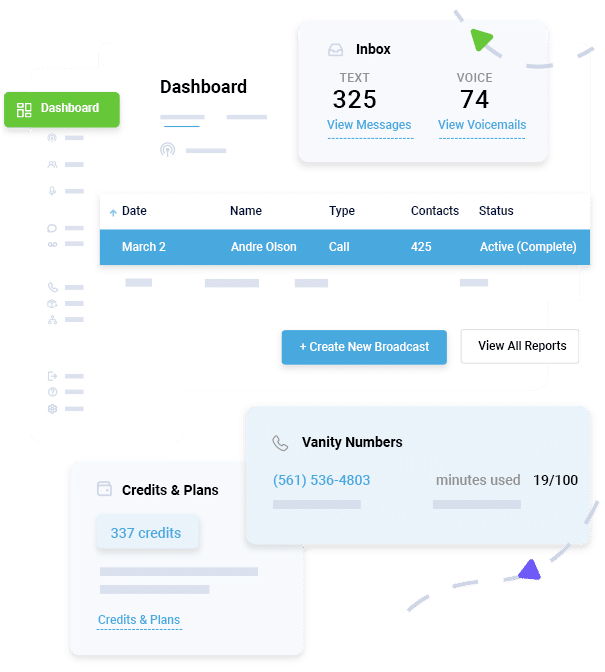
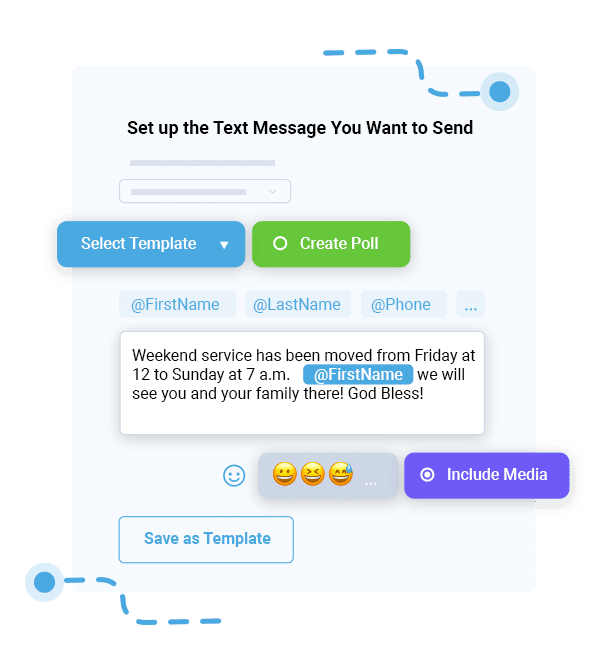
Communication is the bridge between a need and a prayer. DialMyCalls helps churches build that bridge without the headache.
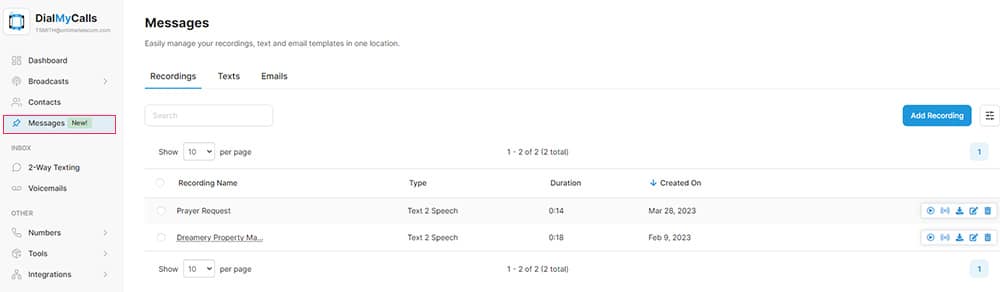
Set up a dedicated prayer hotline where people can call in to hear current needs or record their own. It’s personal and easy to use.
Automated Chains
Forget the old-school phone tree. Improved prayer chains ensure that when one person asks, everyone hears – no manual calling required.
Wrapping It Up: The Power of Together
A prayer request isn’t a sign of weakness. It’s a sign of a healthy, connected community of faith. When we share our lives—the good, the bad, and the urgent—we give faith the space to work through our community.
Stop letting your church’s needs get lost in busy email inboxes or forgotten bulletins. Start using a system that gets the word out and brings the people in.
Try DialMyCalls for Free today and see how easy it is to turn your church into a 24/7 prayer powerhouse.
Strengthen Your Church Ministry
Keep Your Congregation Connected with Mass Texting and Phone Calls
Tim Smith is the Media Manager at DialMyCalls, where he has leveraged his expertise in telecommunications, SaaS, SEO optimization, technical writing, and mass communication systems since 2011. Tim is a seasoned professional with over 12 years at DialMyCalls and 15+ years of online writing experience.
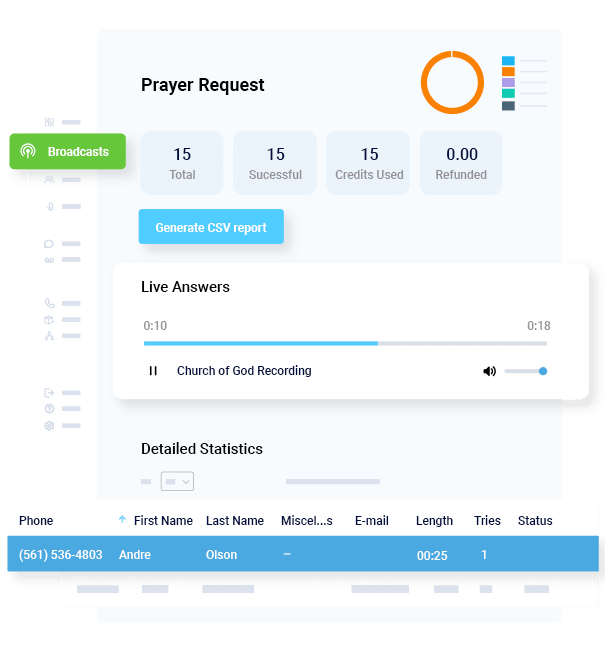
“I am a youth minister and have spent hours in the past calling students individually to remind them of an upcoming event or to get out an urgent announcement. With DialMyCalls.com, I cut that time down to about 1 minute. I also love how I can see exactly who answered live and how long they listened so I know if they heard the whole message. DialMyCalls.com is the best website I have stumbled upon all year! Thanks!”
Real Results, Real ReviewsOver 40,000 customers trust our platform – and it shows.
4.3
502 Reviews
4.7
836 Reviews
Author
Tim SmithMedia Manager
Tim Smith is the Media Manager at DialMyCalls, where he has leveraged his expertise in telecommunications, SaaS, SEO optimization, technical writing, and mass communication systems since 2011. Tim is a seasoned professional with over 12 years at DialMyCalls and 15+ years of online writing experience.
“I am a youth minister and have spent hours in the past calling students individually to remind them of an upcoming event or to get out an urgent announcement. With DialMyCalls.com, I cut that time down to about 1 minute. I also love how I can see exactly who answered live and how long they listened so I know if they heard the whole message. DialMyCalls.com is the best website I have stumbled upon all year! Thanks!”
Fill out the form below to get a fast custom pricing quote specific for your
organization.Want to speak to our sales team now? Call us at
1-800-928-2086
Thank you!
A representative will be reaching out to you soon.
For immediate help you can call us on
800-928-2086.
Try Out DialMyCalls Now?
Enter a new password and click create account and you'll be able to send 25 test messages now.
Send A Sample Broadcast
We'll send a sample call or text to your phone right now. Remember when you use DialMyCalls you can record your message in your own voice. When the phone rings just pick up and say "Hello" to hear the message.