Top 10 Steps After a Fire at Your Apartment Complex (Emergency Recovery & Communication)
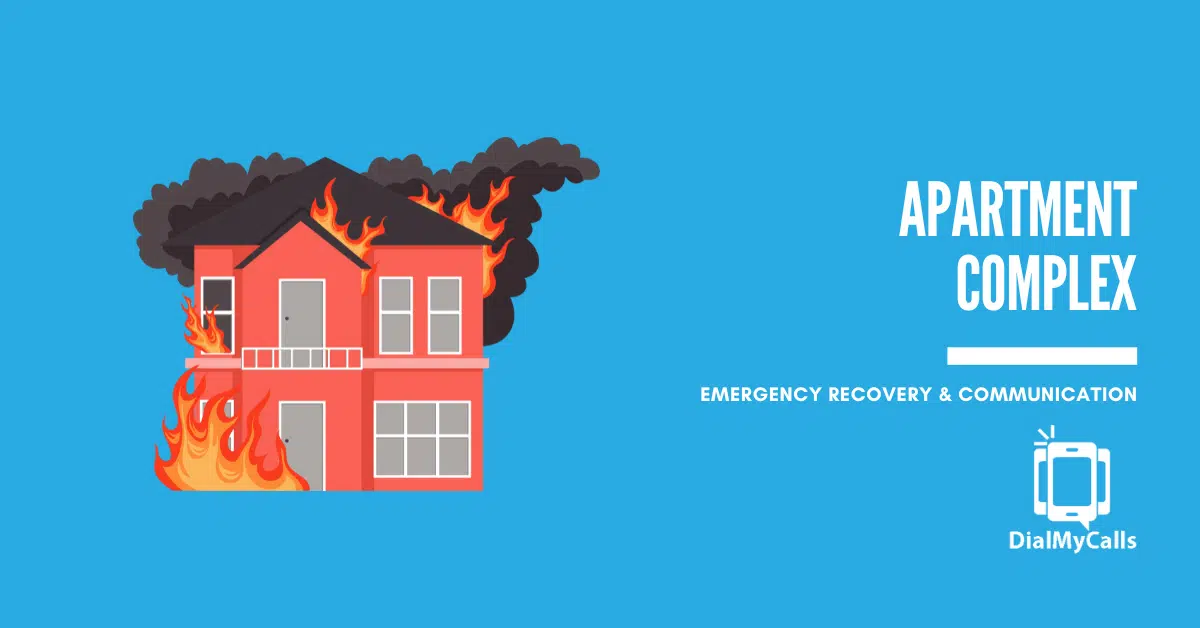
Fires in apartment complexes rarely give notice. One moment, everything is routine. Next, alarms are blaring, tenants are evacuating, and you are responsible for making fast, high-stakes decisions. Your response within the first few hours often determines your residents’ safety and the pace of your long-term recovery.
It is for moments like this that property managers need systematic response after a fire to ensure that tenants are safe, communication is timely, and recovery begins quickly. The Apartment Fire Response and Recovery System fills this gap. It is a structured framework that guides safety decisions, communication updates, inspection, and recovery milestones from the first alert to re-occupancy.
This article explains what this system looks like in practice. It also provides the steps needed to manage the aftermath of a fire effectively.
Keep Everyone Connected & Informed
Get the Word Out Quickly with Bulk Texting and Voice Calls
What Is an Apartment Fire Response & Recovery System?
An Apartment Fire Response & Recovery System is a structured framework that helps property managers and landlords communicate with tenants, coordinate emergency and restoration services, document damage, and manage the recovery process effectively after a fire at an apartment complex.
According to the National Fire Protection Association, about 88,600 apartment building fires occur annually in the U.S., making them one of the most common types of residential structure fires. In multi-family housing, fire can spread quickly, and smoke can cause damage that often affects more units than the source.
A recovery system helps to connect safety, communication, documentation, and restoration into one organized workflow. It helps to:
- Avoid missed notifications
- Prevent misinformation
- Maintain accurate documentation
- Keep tenants informed at every stage
- Strengthen post-fire planning and preparation
Without a coordinated system, recovery becomes reactive. Whereas with a system, it becomes organized and effective.
Step-by-Step Guide
Step 1: Notify Tenants Immediately (Emergency Communication Alert)
Emergency communication is the first operational layer within the Apartment Fire Response and Recovery System. In multi-family housing, delaying communication can cause unnecessary risks. This is why you have to reach everyone immediately, even those who are not directly close to the smoke, to prevent them from blocking emergency access points. The fire emergency alert should include:
- Clear evacuation instructions
- Safe meeting locations
- A request for evacuation confirmation, if possible
Example Alert:
“Fire reported at Building C. Emergency services are on site. Please evacuate immediately using stairwells. Do not use elevators. We will send updates within 30 minutes.”
Manual methods like door-knocking or individual calls are too slow when seconds matter. Using a systematic alert, on the other hand, ensures that everyone receives the same accurate information at the same time. By notifying everyone at once, you reduce panic, prevent misinformation, and create a single source of truth.
Tips for effective emergency communication
- Keep the message short and direct.
- Avoid speculation about the cause.
- Send follow-up updates as information becomes available.
- Use pre-built communication templates to reduce errors.
Step 2: Ensure Safety and Confirm Evacuation
Once the alerts are sent, the next step is to ensure safety and compliance. Start by confirming that the evacuation was successful and that all residents are accounted for. You can work closely with on-site staff to verify evacuation of common areas, identify residents who may need assistance, and share information with first responders. Work with emergency personnel to:
- Confirm evacuation of common areas
- Identify residents who may need mobility assistance
- Prevent unauthorized re-entry
- Communicate gathering locations clearly
An effective system supports a structured Evacuation Protocol. It ensures that safety is confirmed to create a documented process. The U.S. Fire Administration consistently advises against re-entering buildings until they are declared safe. For instance, hidden structural damage and smoke spread can create serious hazards long after flames are extinguished. For safe evacuation, follow these tips:
- Never assume everyone exited safely.
- Coordinate with fire officials before communicating re-entry.
- Communicate clearly that elevators should not be used.
- Keep tenants informed about where to gather safely.
- Use two-way texting where possible to receive confirmation replies.
Step 3: Contact Local Authorities and Obtain Official Clearance
Still on ensuring safety and compliance, you must receive official fire department clearance. Even if the flames are no longer visible, the building remains a hazardous zone until professional fire officials deem otherwise. Re-entering prematurely can:
- Endanger residents
- Increase liability exposure
- Complicate insurance claims
- Void policy protections
The system organizes coordination with authorities and supports formal structural inspection before occupancy. This is because structural integrity and air quality can be compromised even in areas that didn’t burn. Here’s how you can go about getting official clearance:
- Request written confirmation of clearance.
- Document inspection reports carefully.
- Communicate inspection timelines clearly to tenants.
Step 4: Contact Your Insurance Provider Immediately
Once safety is stabilized, it’s time for financial control. Financial recovery depends on how quickly you initiate the insurance claims process. Most policies require strict “prompt notice” following a loss. So, ensure that you notify your insurance provider as soon as the emergency services have stabilized the situation
Begin the process by providing:
- Date and time of incident
- Preliminary damage description
- Photos and video documentation
- Police or fire reports (if available)
Early reporting significantly reduces delays in claim processing. It allows the adjuster ample time to assess the damage quickly and authorize mitigation efforts without delays. This can help accelerate the release of funds for temporary repairs and security. Delays, on the other hand, can complicate claims and make securing faster approval for restoration work faster.
Tips & Best Practices
- Take wide-angle and close-up photos.
- Record video walkthroughs.
- Keep a written log of damage observations.
- Maintain copies of all communication.
Maximize Outreach, Save Time
Start Transforming Your Communication with Mass Texting
Step 5: Work With Insurance to Hire a Certified Fire Restoration Company
At this stage, safety is confirmed, and your insurance is activated. The next phase within the Apartment Fire Response & Recovery System is restoration. It’s common knowledge that fire damage is complex. It involves soot, smoke odors, and significant water damage from firefighting efforts.
After filing your claim, coordinate with your insurer to select a qualified fire restoration company. Avoid informal cleanup or DIY solutions. Instead, look for professionals who follow standards from the Institute of Inspection Cleaning and Restoration Certification (IICRC). These standards ensure proper smoke removal, debris cleanup, and safe remediation.
Within the recovery System, restoration is sequenced and not rushed to prevent worsening the situation, complicating insurance claims, or delaying occupancy approval. During this stage, ensure you:
- Communicate restoration timelines clearly to tenants.
- Confirm restoration credentials.
- Request written remediation plans.
- Provide regular tenant updates, even if restoration is ongoing.
- Coordinate access to affected units systematically.
Step 6: Document All Damage (Photos, Videos, Notes)
In a fire response system, documentation and evidence serve as your primary proof for insurance claims. It helps you to improve coordination with the insurer and reduce claim disputes. So before any cleaning crews move in or debris is hauled away, get a visual record of the property in its post-fire state. Make sure you capture:
- High-resolution photos of every affected unit
- Wide-angle shots of hallways and shared areas
- Close-ups of structural, electrical, and smoke damage
- Video walkthroughs
- Written notes with timestamps
Document even areas that appear lightly affected. Smoke damage can spread beyond visible burn zones. The Federal Emergency Management Agency advises property owners to document damage before removing debris to support insurance claims and inspections.
Step 7: Secure the Property (Prevent Vandalism & Hazards)
An evacuated apartment building is a vulnerable target for theft and vandalism, and it can also pose physical risks to curious passersby. After the emergency services leave, secure the property immediately. This may include:
- Posting visible safety signage
- Boarding up broken windows
- Installing temporary fencing
- Restricting access to damaged areas
Your recovery framework requires immediate site control to prevent secondary damage or liability exposure. Fires can leave buildings structurally unstable, and hazards can remain long after flames are out.
According to the Occupational Safety and Health Administration, post-incident hazards can include weakened floors, exposed wiring, and poor air quality. Also, insurers may reduce coverage if preventable secondary damage results from inaction.
Notify tenants that the building is temporarily secured and clearly communicate restricted access areas. Also, make sure that you keep records of security expenses.
Step 8: Work With Authorities to Determine Fire Cause & Liability
Understanding how the fire started is a structural requirement of the recovery process. It is also essential for preventing future fire incidents and determining who is financially responsible.
To do this, cooperate fully with the local fire investigator and your insurance company’s arson or cause-and-origin experts. This formal liability determination protects both financial recovery and future risk management planning.
Provide investigators with:
- Maintenance records
- Inspection logs
- Tenant reports, if applicable
- Access to affected areas
Whether the cause is from electrical failure, appliance malfunction, or tenant negligence, documented findings inform both financial recovery and preventive improvements.
Step 9: Begin Fire Restoration and Cleanup
Organized restoration ensures that inspections, repairs, and tenant communication move forward in a coordinated sequence. Execute a phased restoration plan. Most professional remediation typically progresses through:
- Water extraction and drying
- Soot and smoke removal
- Structural repairs
- HVAC inspection and cleaning
- Air quality verification
The faster the restoration moves, the sooner you can restore your revenue stream and help your community heal. When cleanup is professional and organized, it speeds up safe re-entry.
Pro Tip: Establish realistic timelines and provide weekly progress updates to affected residents during this period.
Step 10: Reinspect, Certify Occupancy, and Communicate Next Steps
The final layer of the apartment fire response and recovery system is proving that the building is legally and safely habitable again. This step provides the legal “All-Clear” needed to move residents back in without liability concerns. Reinspection ensures that the building is safe, that utilities are stable, and that air quality is acceptable.
Before sending the tenants the final “Welcome Home’ alert, ensure all required inspections are completed and documented. This may involve:
- Building department review
- Utility reactivation confirmation
- Air quality clearance
- Renewal or confirmation of Certificate of Occupancy
After these, send a final coordinated message welcoming residents back and outlining next steps, such as clear move-in timelines or any temporary restrictions. Re-occupancy without certification exposes property managers to unnecessary liability.
Instant Communication, Whenever You Need It
Send Real-Time SMS & Voice Call Alerts from Anywhere
Why Timely Communication Matters After a Fire

Although communication begins in the first step, it remains active throughout every phase of recovery. In the wake of a fire, silence from management can become a source of tenant stress. Residents need to know where to go, what happened to their belongings, and when they might be able to return home.
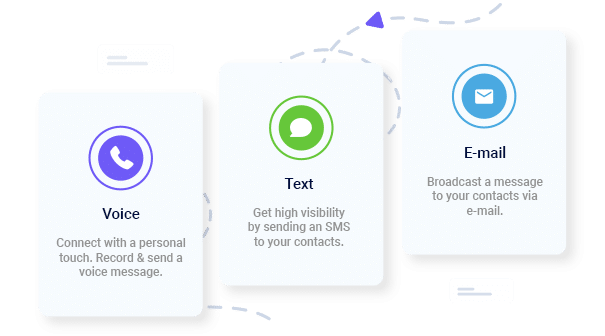
This is where using automated alerts like mass texting and automated calls allows you to reach your entire community in seconds. It ensures that every tenant receives the same message at the same time. Some residents respond faster to text messages. Others may only answer a phone call. Using multiple channels increases visibility and improves compliance without requiring manual outreach to each unit.
Behind all of this is preparation.
Use structured communication templates to ensure consistency in messaging.
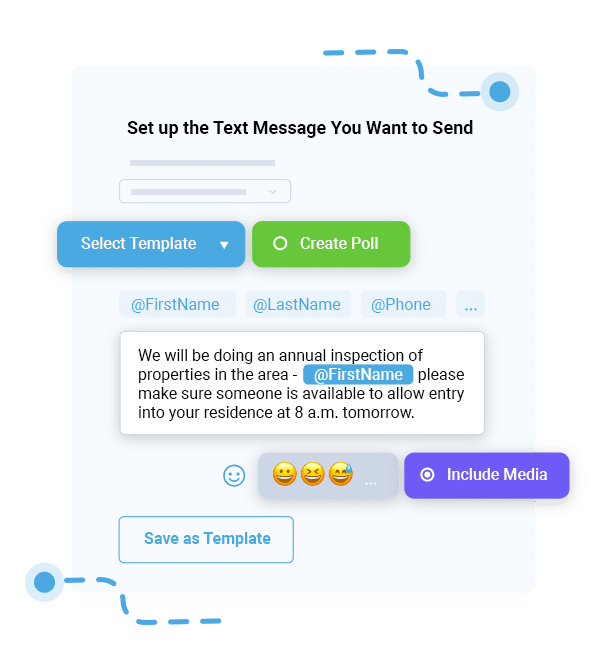
Templates help property managers to deliver accurate and uniform instructions even under duress by preventing unclear wording and ensuring key details are captured.
Maintain an updated contact list and a defined alert workflow.
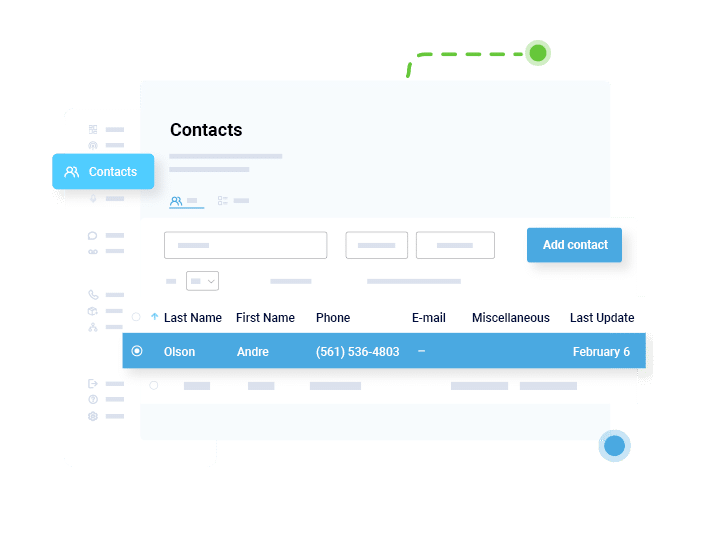
An automated alert system allows you to segment tenants by building or floor, send targeted messages and follow-ups so that no tenant is missed, and the recovery process is coordinated.
Automated communication is the infrastructure layer that supports the entire Apartment Fire Response & Recovery System. Having a dependable mass notification system supports structured tenant notifications, streamlines tenant updates, and helps maintain communication when seconds matter and clarity is essential.
Conclusion
Managing an apartment complex fire is one of the most difficult challenges a property leader can face. However, by relying on a structured Apartment Fire Response & Recovery System, you can transform a chaotic situation into a manageable process. This includes immediate and clear communication, organized documentation, and quick restoration.
When you prioritize transparency and act with a dependable plan, you reduce recovery time and improve the outcome for everyone involved.
DialMyCalls helps organizations stay prepared and communicate when it matters most. Get started by creating your free account and sending your first message in minutes.
Frequently Asked Questions
What is an apartment fire response & recovery system?
An apartment fire response & recovery system is a structured framework for managing communication, safety, documentation, and restoration after a fire. It ensures tenant updates are timely, damage is documented properly, and inspections and recovery steps follow an organized process.
Why is immediate communication important after a fire?
Immediate communication is critical because it provides life-saving instructions to tenants during the highest-risk moments of an emergency. By using automated call and text alerts, you can ensure everyone is informed about evacuation routes and safety assembly points before panic sets in.
When should tenants be notified after a fire?
Tenants should be notified immediately once a fire is detected to ensure a safe evacuation. Following the initial event, you should provide regular updates as information becomes available regarding building safety, re-entry times, and any temporary housing resources that may be available.
How do I document fire damage for insurance?
Documenting fire damage means capturing detailed photos, videos, and written notes before cleanup begins. Include timestamps and keep digital backups. Accurate records help insurers evaluate claims and reduce disputes during the insurance claims process.
What happens if the building cannot be reoccupied?
If a building is deemed unsafe for re-entry, you must immediately notify all affected tenants through your communication system. You will then need to coordinate with your insurance provider regarding “Loss of Rents” coverage and assist tenants in understanding their own renters’ insurance options for temporary housing.
Stay Connected with Mass Notifications
Create & Send a Broadcast to Thousands in Seconds