AI answering services use artificial intelligence to automate call handling and respond instantly
Traditional answering services rely on human receptionists for personalized support
AI scales easily and reduces operational costs, especially for high call volumes
Human agents still perform better in complex or sensitive conversations
Most businesses benefit from a hybrid approach that blends automation with human support
Choosing the right solution depends on call volume, budget, and customer expectations
We’ve all been there. You’re in the middle of a project, a consultation, or a site visit, and your phone rings. You can’t answer it, so it goes to voicemail. For many small business owners, this can be a lost opportunity. HubSpot has reported that 90% of customers rate an “immediate” response as important or very important when they have a customer service question
To solve this, businesses generally lean toward two solutions: the traditional answering Service (human agents) or the AI answering service. Both aim to keep your business running while you’re busy, but they go about it in very different ways. Choosing the right one is largely dependent on which infrastructure best supports your community and your bottom line.
Keep Everyone Connected & Informed
Get the Word Out Quickly with Bulk Texting and Voice Calls
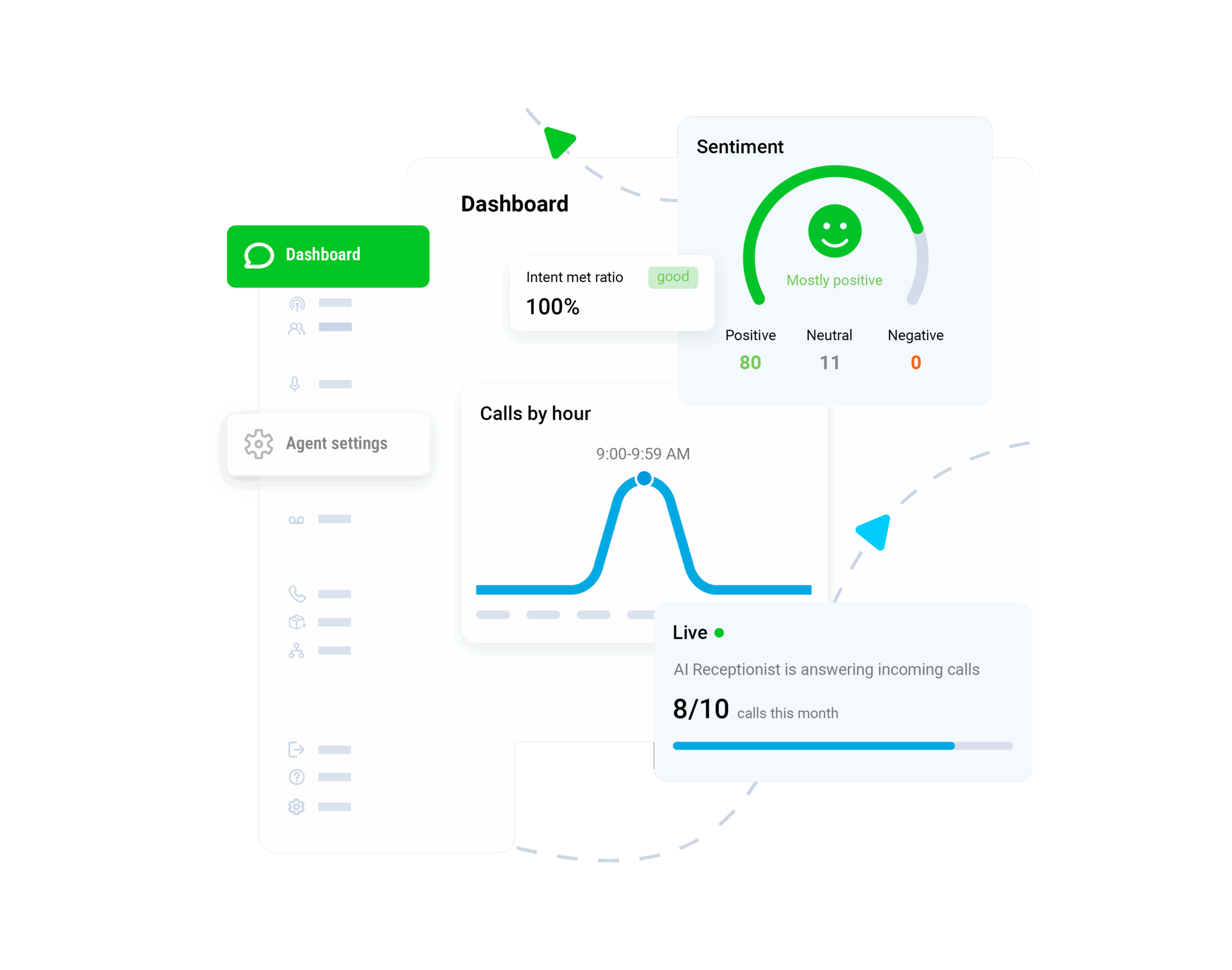
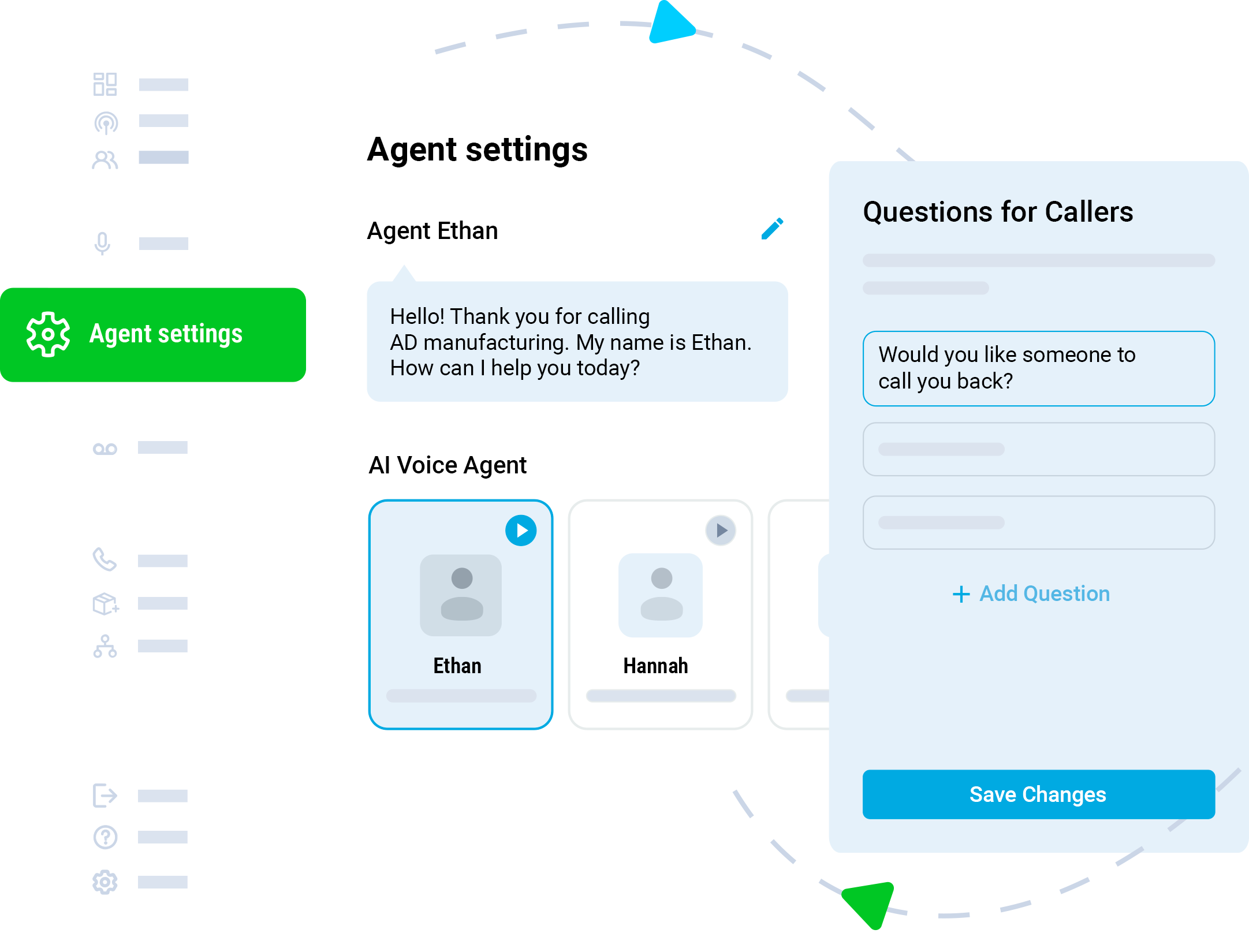
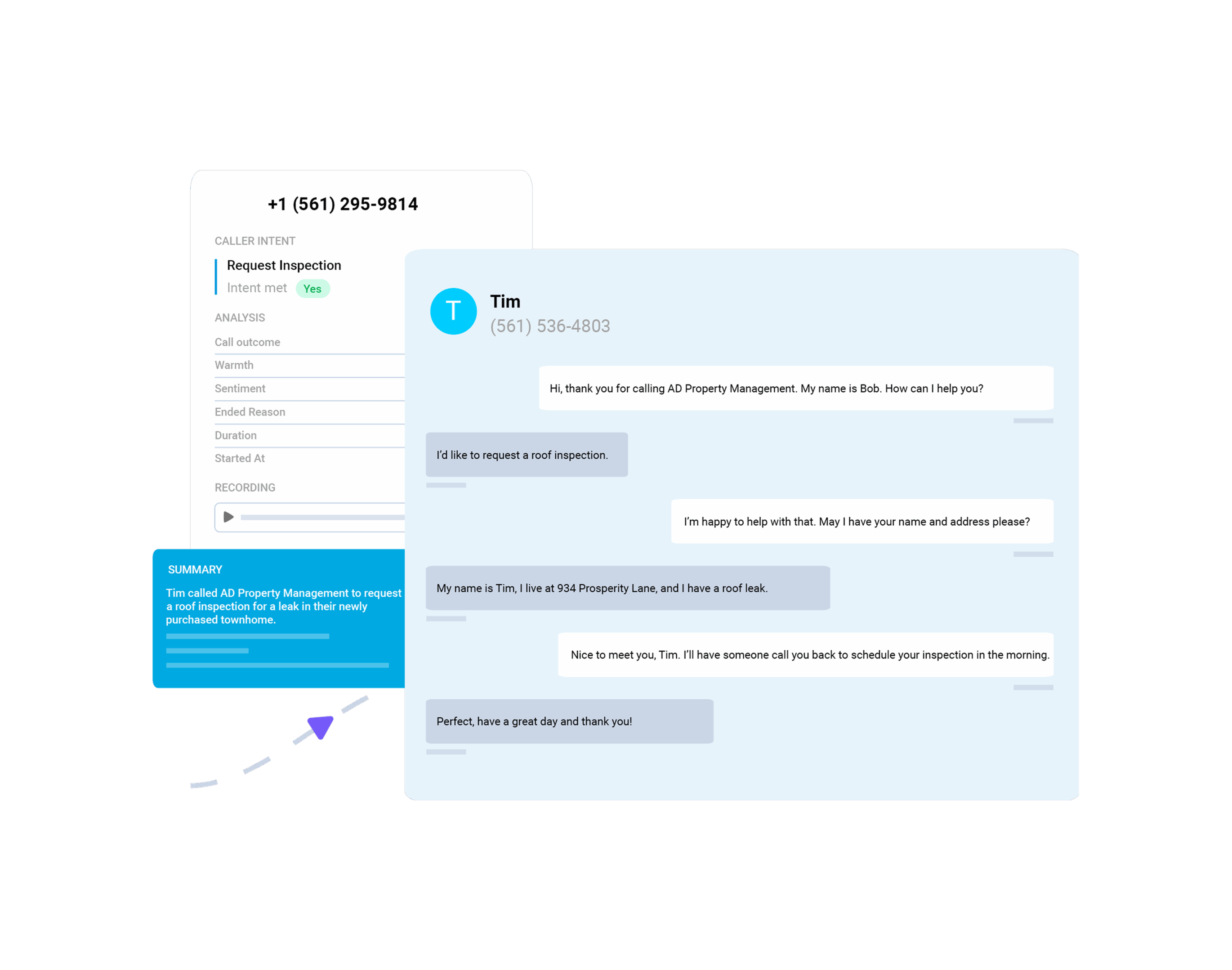
An AI answering service uses artificial intelligence to automatically answer incoming calls, without human intervention. It uses Natural Language Processing to understand caller intent and deliver real-time, conversational responses.
Aside from taking messages, AI answering services automate appointment scheduling by integrating with digital calendars to book appointments or process basic payment. And because AI agents are machines, they can process high call volumes and enable 24/7 customer support, ensuring that your business can provide service to its customer base anytime and anywhere.
AI-powered systems are capable of handling routine customer inquiries autonomously, reducing the need for human involvement in common support tasks. That makes them especially valuable for businesses dealing with high call volumes, after-hour inquiries, and repetitive customer questions. It ensures that no call goes unanswered even when your team is unavailable.
What Is a Traditional Answering Service?
While AI systems are powered by machines, a traditional answering service relies on a team of live human receptionists who manage customer inquiries on behalf of a business. These human agents act as an extension of your team and handle real-time conversations with personalized responses.
Typically, a call comes in, the call agent answers the phone, listens to the caller’s request, and provides assistance based on the situation. The traditional model remains relevant because it delivers human-led communication that builds trust and customer relationships.
While this provides a personalized feel, it is fundamentally limited by human bandwidth. If ten people call at once and there are only five agents on the floor, five of your customers are going to wait on hold.
Key Differences Between AI and Traditional Answering Services
When you look at both solutions, it’s obvious that they are both used to improve how businesses handle incoming calls. But the difference comes down to automation versus human interaction. Let’s look at other key areas and gaps where their differences impact business performance.
1. Automation vs Human Support
AI answering services automate the entire process of call answering, handling routine interactions, all without needing human involvement. The traditional answering service, on the other hand, depends entirely on human agents, and this affects speed, consistency, and how calls are managed.
2. Scalability
Because AI systems operate in the cloud, they scale instantly to handle unlimited simultaneous calls without delays. In contrast, traditional services scales by adding more staff. And staff require salaries, benefits, and physical desk spaces.
3. Cost Structure
When it comes to cost, AI systems tend to reduce operational costs by minimizing the need for large support teams. Data from Deloitte shows that businesses that adopt automation in customer services can reduce service costs by up to 30%. Traditional services, on the other hand, have ongoing labor costs that increase as demand grows.
4. Customer Experience
AI systems deliver fast, consistent responses across every customer interaction. It can answer calls instantly and hardly gets overwhelmed. While these are important for customer experience, AI may struggle with complex or emotional interactions.
This is where the strengths of traditional models shine more. Human agents are flexible; they can show empathy and a deeper understanding of queries that customers may have. While they may not always be available like AI systems, they guarantee the human connection that many customers need
5. Availability
AI never sleeps. It answers calls instantly, any time of day, with no wait times or missed calls. It provides continuous, always-on support. Traditional services depend on staffing schedules, unless businesses invest heavily in 24/7 coverage. Even with 24/7 coverage, response times can vary during peak hours.
Comparison Table: AI vs Traditional Answering Services
Feature
AI Answering Service
Traditional Answering Service
Call Handling
Automated using AI
Handled by human receptionists
Availability
24/7 instant response
Limited by staffing or schedule
Scalability
Instantly handles high volumes
Limited by number of agents
Cost
Lower operational costs
Higher due to labor expenses
Customer Interaction
Fast and consistent, but less personalized
Highly personalized and empathetic
Best Use Case
High-volume, routine inquiries
Complex, sensitive interactions
Benefits of AI Answering Services
There is a reason many businesses are leaning into AI-driven communications. This includes the need to stay responsive and remove friction from customer interaction, ensuring no call goes unanswered. Here’s why more businesses are leaning into AI-driven communication:
24/7 Availability
Whether calls come in at noon or midnight, AI answering provides 24/7/365 availability, ensuring calls are answered immediately. So it doesn’t matter if a customer tries to reach out long after business hours or during peak period, AI systems ensure continuous customer support.
This is especially valuable for service-based businesses where after-hours calls often turn into next-day jobs or lost opportunities.
Faster Response Times
Speed is important in customer retention strategy. AI systems answer calls instantly without putting the customers on hold. With many customers expecting real-time responses when they contact a business, this level of efficiency comes from AI systems that respond instantly without queues or delays.
Cost Efficiency at Scale
Hiring a full-time receptionist can cost upwards of $45,000 annually when you factor in benefits. Relying on AI systems, on the other hand, reduces the need for large customer service teams.
High-Volume Call Handling
Call spikes can happen, and even well-staffed teams can get overwhelmed. AI answering services are built to process high call volumes without performance issues. Having this consistency helps to prevent missed opportunities and ensure a smoother customer experience.
Consistency and Accuracy
With AI systems, there are no worries of missed questions, inconsistent messaging, or dropped details. Because these systems follow a structured logic, every caller receives the same level of service, and information is delivered consistently.
This consistency is vital, particularly for businesses that rely on precise communication and handle repetitive inquiries like appointment scheduling and service requests.
Even as AI adoption is growing, traditional services continue to play an important role, especially where human interaction matters most.
Personalized Customer Experience
Traditional answering services provide personalized call handling through trained human receptionists. Since humans can adapt in real time, they are more likely to pick up tone, urgency, and emotions in ways AI systems struggle to match.
This creates a more engaging and reassuring experience, especially for first-time customers, because conversational feel natural and is not scripted. Research from PwC shows that most consumers still value human interaction highly in customer service, with a large majority viewing human engagement as a meaningful part of their overall brand experience.
Better Handling of Complex Situations
Not every call follows a predictable path, but a human agent can manage complex customer inquiries more effectively because they are not limited by predefined scripts. Agents can ask follow-up questions and adjust responses accordingly.
This makes traditional answering services valuable for industries where calls involve detailed conversations, such as legal consultations or medical inquiries.
Flexibility in Conversations
While AI systems are improving, they still operate within structured boundaries. Human agents, on the other hand, can go off-script when needed to clarify unclear requests, handle unexpected questions or escalate issues appropriately. This flexobility allows for more natural and productive conversations.
Stronger Customer Relationships
Sometimes, customers just want to feel heard. A traditional answering service relies on human receptionists who can show empathy in a way automation cannot replicate.
Customers may recognize familiar voices or feel more comfortable speaking with a person who understands their needs. This can strengthen long-term relationships and improve customer retention
Which One Is Better for Your Business?
The ‘winner’ depends entirely on how your business operates. While both options solve the same problem, they do it in different ways. AI is a better choice for service-based businesses that handle high volumes of routine calls like scheduling and FAQs. It also reduces the operational costs of needing a 24/7 staff.
If your business handles complex or sensitive customer interactions, a traditional answering service might make more sense. The traditional system is a better fit if you prioritize the quality of interaction over speed. By using human receptionists, you build relationship-driven interactions that prioritizes human-first customer experience.
For many, the best path is a hybrid strategy. In this system, you use an automated system to handle routine calls, filter inquiries, and ensure availability. Human agents then step in when conversations require context, empathy, or decision-making.
That’s where a platform like DialMyCalls fits naturally into the workflow. Managing calls is only one part of business communication, but ensuring that important messages reach people quickly is equally essential. DialMyCalls supports this by helping businesses send mass notifications through:
SMS alerts
Voice broadcasts
Email notifications
This ensures that even when calls are missed or delayed, communication continues through other channels. For example, instead of relying solely on incoming calls:
A service business can notify customers about delays
An operations team can broadcast urgent updates instantly
DialMyCalls helps your businesses stay proactive by strengthening your answering system to meet your customers’ expectations.
Frequently Asked Questions
What is the main difference between AI and traditional answering services?
An AI answering service uses automation to respond instantly, while a traditional answering service relies on human receptionists to manage conversations.
Are AI answering services reliable for customer communication?
Yes, AI systems are useful for routine interactions. AI systems are designed to handle common requests accurately and consistently. However, they may still require human support for more complex situations.
Do customers prefer AI or human interaction?
It depends on the situation. Customers prefer fast responses for simple requests, but they often value human interaction for more complex or sensitive issues.
What happens if an AI system cannot handle a request?
Most AI answering services are configured to escalate calls to a human agent when needed. This ensures that customers still receive the help they need.
Can businesses use both AI and traditional answering services together?
Yes. A hybrid approach allows businesses to automate routine tasks while keeping human support available when it matters most.
Conclusion
AI answering services and traditional answering services solve the same problem, but from two different angles. The right choice depends on how your business communicates, what your customers expect, and how you balance efficiency with experience.
If your goal is to eliminate missed opportunities, slash your overhead, and provide instant answers at any time of night, an AI answering service is the right choice. But if your goal is to have that flexibility to handle complex conversations with care, traditional answering service offers just that.
For many organizations, the priority is more about building a communication system that combines both, supported by tools that keep everyone informed and ready to act. Ready to streamline your communication and never miss another critical update? Get started with DialMyCalls today and improve customer communication.
Instant Communication, Whenever You Need It
Send Real-Time SMS & Voice Call Alerts from Anywhere
Tim Smith is the Media Manager at DialMyCalls, where he has leveraged his expertise in telecommunications, SaaS, SEO optimization, technical writing, and mass communication systems since 2011. Tim is a seasoned professional with over 12 years at DialMyCalls and 15+ years of online writing experience.
“I am a youth minister and have spent hours in the past calling students individually to remind them of an upcoming event or to get out an urgent announcement. With DialMyCalls.com, I cut that time down to about 1 minute. I also love how I can see exactly who answered live and how long they listened so I know if they heard the whole message. DialMyCalls.com is the best website I have stumbled upon all year! Thanks!”
Real Results, Real ReviewsOver 40,000 customers trust our platform – and it shows.
4.3
502 Reviews
4.7
836 Reviews
Author
Tim SmithMedia Manager
Tim Smith is the Media Manager at DialMyCalls, where he has leveraged his expertise in telecommunications, SaaS, SEO optimization, technical writing, and mass communication systems since 2011. Tim is a seasoned professional with over 12 years at DialMyCalls and 15+ years of online writing experience.
“I am a youth minister and have spent hours in the past calling students individually to remind them of an upcoming event or to get out an urgent announcement. With DialMyCalls.com, I cut that time down to about 1 minute. I also love how I can see exactly who answered live and how long they listened so I know if they heard the whole message. DialMyCalls.com is the best website I have stumbled upon all year! Thanks!”
Fill out the form below to get a fast custom pricing quote specific for your
organization.Want to speak to our sales team now? Call us at
1-800-928-2086
Thank you!
A representative will be reaching out to you soon.
For immediate help you can call us on
800-928-2086.
Try Out DialMyCalls Now?
Enter a new password and click create account and you'll be able to send 25 test messages now.
Send A Sample Broadcast
We'll send a sample call or text to your phone right now. Remember when you use DialMyCalls you can record your message in your own voice. When the phone rings just pick up and say "Hello" to hear the message.