When an emergency strikes and your tenants are at risk, notifying them immediately is critical. However, doing so fast and efficiently is easier said than done. This guide walks you through how to notify tenants quickly and reliably during emergencies. You’ll learn how to build an Emergency Action Plan (EAP), train staff and tenants, implement multi-channel alerts, and adopt a mass notification system that ensures messages reach the right people at the right time. You’ll also see how DialMyCalls’ SMS, voice, and email platform simplifies emergency alerts for property managers, landlords, and real estate teams.
When Emergencies Strike
If there’s one truth you learn early as a property manager, it’s that emergencies rarely give you time to think. Fires, gas leaks, burst pipes, severe weather, and security threats happen without warning and often faster than you expect. Your tenants depend on one thing more than anything else in these situations: clear communication.
While there are no nationwide statistics that highlight the connection between delayed alerts and property-related injuries during crises, there are important takeaways from different studies.
A study from NCBI found that new smoke detectors in residential areas reduced the risk of fire-related injuries by 75%.
One report of CivicPlus found that only 41% of residents felt their community had taken sufficient steps to create an early warning/notification system.
A study of 911 operator-related ambulance dispatches for auto accidents in Missouri found that a delay of 5 minutes resulted in a 20% increase in the risk of fatality.
One study found that residential evacuations took on average 9 minutes longer than those in office settings because of the lack of drills and notification systems.
A lag of just a few minutes can be the difference between a successful evacuation and a preventable injury.
That’s why preparing a reliable, multi-channel emergency communication plan is such an important part of protecting your tenants.
In this guide, you’ll learn how to create a communication plan you can count on, and why tools like DialMyCalls make it easier than ever to notify tenants during emergencies.
Instant Communication, Whenever You Need It
Send Real-Time SMS & Voice Call Alerts from Anywhere
Why Every Property Manager Needs an Emergency Communication Plan
Emergencies escalate fast. You’ve seen it happen before. A pipe bursts and immediately starts flooding the space. A storm rolls in on a previously sunny afternoon, bringing with it the risk of strong winds and even tornadoes. The problem is that most communication methods just can’t keep pace. Manual calls are too slow. Emails won’t be seen or will be ignored. Going door-to-door is just too dangerous in an emergency.
A well-designed communication plan helps you:
Alert tenants in seconds, not minutes.
Make sure messages reach everyone, even when one channel fails.
Avoid confusion by establishing clear roles and procedures.
Reduce liability by documenting a repeatable emergency protocol.
Make sure everyone feels prepared and that they trust the system.
This is where DialMyCalls’ mass notification platform becomes indispensable. With it, you can send SMS alerts, voice broadcasts, and emails to 10 or 10,000 tenants instantly.
1. Create a Clear Emergency Action Plan (EAP)
Before you think about technology, you need a blueprint (something that lays out who does what, when, and how). That blueprint is your Emergency Action Plan (EAP).
What Is an Emergency Action Plan (EAP)?
An EAP is a written document that outlines how your property will respond during emergencies. OSHA requires workplaces to maintain one, but residential properties benefit just as much.
Why an EAP Matters
An EAP:
Defines staff responsibilities.
Outlines communication procedures.
Maps out evacuation routes.
Creates consistency across all buildings and teams.
Helps reduce chaos during fast-moving incidents.
When your staff knows what they’re supposed to do, your tenants know what to expect, and you’ve got your communication channels planned, you can respond faster and more effectively to an emergency.
How to Build an EAP
Start with templates from OSHA and Ready.gov and then customize them to your specific needs (your properties in this case). Your EAP should include:
Defined Roles
Assign responsibilities such as:
Who triggers an alert?
Who verifies the incident?
Who contacts emergency responders?
Who communicates with tenants?
Communication Flow
Document:
Who sends alerts.
What information must be included.
Which channels you’ll use (SMS, voice, email).
How often updates are sent.
Evacuation Procedures
Include:
Primary and secondary exit routes.
Shelter-in-place instructions for certain events.
Accessibility considerations.
Emergency Contact Lists
Maintain up-to-date lists for:
Staff
First responders
Utility companies
Contractors for urgent repairs
Your EAP is the foundation on which you’ll build everything else. Once it’s written, you’re ready for the next step: training.
Keep Everyone Connected & Informed
Get the Word Out Quickly with Bulk Texting and Voice Calls
You could build the most comprehensive EAP in the world, but it won’t mean much if your staff and tenants don’t know how it works. You need to bring your plan off the page and into practice through training.
Conduct Regular Drills
Schedule drills at least once a year, twice if your property has higher risk factors (high-rise buildings, large multi-unit complexes, located in areas with known emergency risks like tornadoes or hurricanes, or vulnerable populations).
Drills help you:
Test your communication system.
Ensure tenants understand evacuation routes.
Identify bottlenecks or problems with signage.
Reduce panic when a real emergency occurs.
Educate Tenants on How They’ll Receive Alerts
Make sure tenants know:
You use DialMyCalls for emergency alerts.
They’ll receive messages via SMS, voice, and email.
They should update their contact information regularly.
If your property serves multilingual communities, include:
Multilingual SMS alerts.
Printed materials in common languages.
Staff members to support translation if needed.
Offer a Simple Checklist or “How-To” Guide
Tenants appreciate clarity. Something like:
How to confirm receipt of an alert
What to do during a building evacuation
Where to find emergency instructions
Who to contact with questions
Even a downloadable PDF can help.
3. Use a Mass Notification System for Rapid Alerts
When you’re in the middle of a crisis, you can’t rely on one-by-one communication methods. You need speed and reach, which only mass notification systems provide.
Why Manual Methods Fail
Manual calls take far too long, especially if you have a lot of tenants to notify. Emails often go unread until it’s too late, and sometimes suffer from delivery delays. And not every tenant is home to hear a knock at the door.
Let tenants reply (“I’m safe,” “I need assistance”).
Store message logs for documentation and compliance.
Example Use Cases
DialMyCalls is used by property managers across the country for situations like:
Gas leaks: Notify tenants in affected buildings and instruct them to evacuate immediately.
Fire alarms: Provide instructions when alarms trigger, especially during false alarms.
Water main breaks: Send alerts about shutoffs, repair timelines, boil water notices, and alternate water access.
Security lockdowns: Keep tenants informed during suspicious activity or confirmed threats.
4. Segment Contacts to Reach the Right Tenants
One of the most common mistakes in emergency communication is sending every alert to everyone. It’s natural, but it’s the wrong move. When tenants start receiving warnings that don’t apply to them, they’re less likely to look at upcoming notifications.
Why Segmentation Matters
Segmentation makes sure that:
Building A doesn’t receive messages intended for Building C.
Only affected floors get alerts about water shutoffs.
Specific wings receive targeted evacuation instructions.
Elderly or vulnerable residents get specialized messages when needed.
How DialMyCalls Makes It Easy
With DialMyCalls, you can:
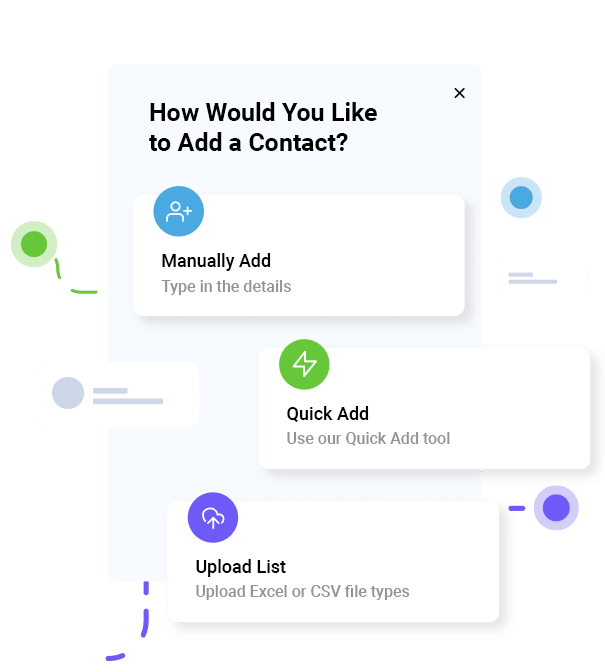
Create groups by building, floor, unit, or property.
Upload segmented lists automatically.
Schedule or automate alerts for specific zones.
Prevent message fatigue by sending only relevant information.
5. Use Multi-Channel Alerts to Ensure Delivery
When your tenants face an emergency, you can’t assume one channel will do the job. That’s why your emergency communication plan should rely on multiple channels.
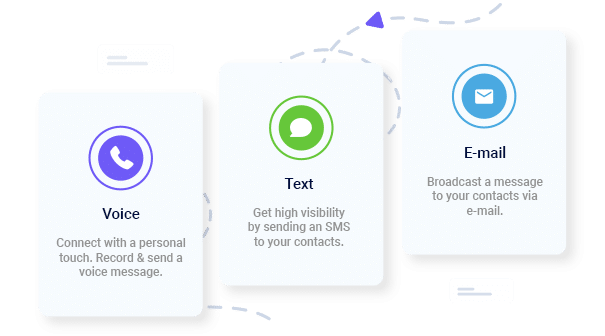
SMS: SMS alerts reach tenants immediately and are usually read within minutes.
Voice Broadcasts: A phone call conveys urgency, tone, and details that text alone can’t always provide.
Email: Email is good for sharing longer messages when time isn’t necessarily of the essence, like:
Safety instructions
Evacuation maps
Water shutoff timelines
Post-incident updates
Fail-Safe Messaging: DialMyCalls automatically identifies undelivered messages and can resend them through another channel, so that nothing falls through the cracks.
6. Know When to Send an Emergency Message (and When Not To)
One part of making sure that your tenants trust your alert system is using it wisely. Not every situation requires an emergency message.
True Emergencies
Send alerts for:
Fires or suspected fire hazards
Flooding or burst pipes
Gas leaks
Structural issues
Security incidents or lockdowns
Power outages affecting safety systems
Hazardous weather
Non-Emergency Notifications
These should be sent through standard communication channels, not emergency alerts:
Routine maintenance
Parking reminders
Scheduled inspections
General community announcements
Weather advisories without immediate danger
Educate tenants about alert levels so they know when a message means they need to act right away.
7. Test, Test, and Test Again
Even the most robust systems need tuning and testing. Your emergency alert system is no exception.
Run Quarterly System Tests
This helps you:
Confirm contact information is up to date.
Identify delivery issues.
Ensure tenants recognize your alert sender ID.
Keep staff familiar with procedures.
Get Tenant Feedback
After a drill or real event, ask residents:
Did the message arrive?
Was it clear?
Did they know what to do?
Do they need language support?
Document Improvements
After each test or incident:
Record what worked (and what didn’t).
Note communication delays.
Update your EAP or procedures.
DialMyCalls provides message logs and delivery reports that make this easy to track and improve.
How DialMyCalls Simplifies Tenant Emergency Communication
DialMyCalls is built specifically for property managers who need reliable mass communication tools and who don’t want to deal with complicated hardware or software.
Here’s what you get:
Mass SMS, Voice, and Email Alerts
Send a message to thousands of tenants instantly.
Custom Lists for Buildings and Properties
Organize tenants any way you choose.
No Hardware or App Downloads Needed
Tenants get alerts through the devices they already use.
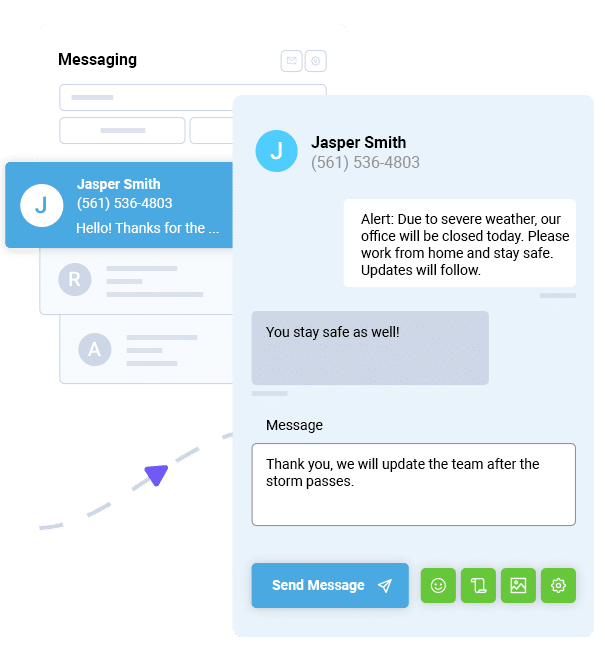
Two-Way Messaging
Let tenants confirm they’re safe or request help.
Affordable Pricing
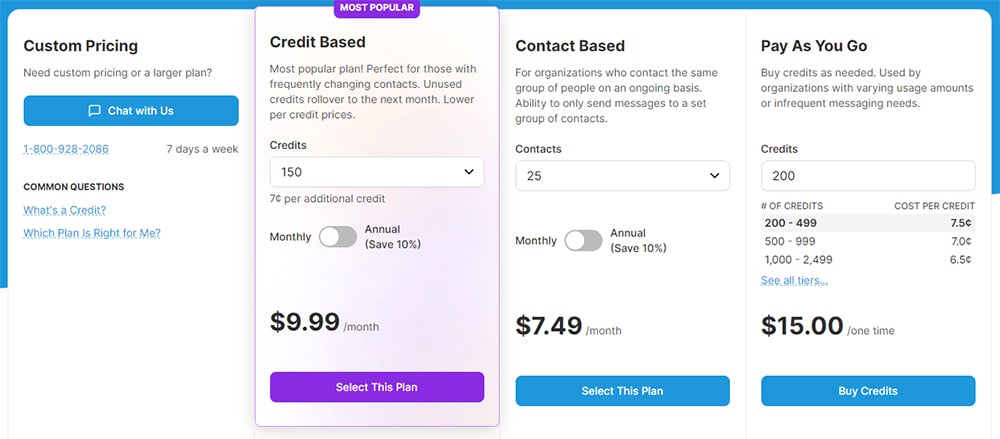
DialMyCalls offers pay-as-you-go pricing that fits any property size.
Protecting Your Tenants Starts With Better Communication Habits
Preparing for emergencies goes beyond following rules and regulations. You need to create a safe environment for the people who live in your communities. When you combine knowledgeable planning, a good understanding of your properties and your tenants, regular training, and the right automation, you create a communication system that tenants can rely on when it matters most.
Protect your tenants with fast, reliable emergency communication. Start your free trial with DialMyCalls today.
Tenant Emergency FAQs
What’s the best way to notify tenants of emergencies?
The best way is a multi-channel mass notification system that uses SMS, voice, and email. Tools like DialMyCalls let you notify tenants in seconds.
How fast can DialMyCalls send alerts?
DialMyCalls can send messages to hundreds or thousands of tenants almost instantly, usually within seconds.
Can I send messages to tenants in a specific building?
Yes, segmentation lets you send alerts only to those tenants who are affected.
What are examples of emergency vs. non-emergency notifications?
Emergencies include fires, gas leaks, flooding, power failures, or security threats. Non-emergencies would be things like maintenance reminders, scheduled inspections, and general announcements.
Is mass texting compliant with tenant communication laws?
Yes, as long as tenants consent to receive notifications. DialMyCalls follows FCC guidelines and provides opt-in tools to maintain compliance.
Ryan Betancur is an Emergency Management Planner at Hagerty Consulting and a proud US Army veteran. Drawing on years of experience, he specializes in healthcare and critical infrastructure emergency management, strategic planning, and business continuity. Ryan has been on the front lines managing COVID-19 responses in New Jersey and Illinois and supporting NYC's Migrant Crisis response. He holds a master's degree in Homeland Security and Emergency Management and multiple certifications in emergency preparedness.
“I am a youth minister and have spent hours in the past calling students individually to remind them of an upcoming event or to get out an urgent announcement. With DialMyCalls.com, I cut that time down to about 1 minute. I also love how I can see exactly who answered live and how long they listened so I know if they heard the whole message. DialMyCalls.com is the best website I have stumbled upon all year! Thanks!”
Real Results, Real ReviewsOver 40,000 customers trust our platform – and it shows.
4.3
502 Reviews
4.7
836 Reviews
Author
Ryan BetancurEmergency Management Planner
Ryan Betancur is an Emergency Management Planner at Hagerty Consulting and a proud US Army veteran. Drawing on years of experience, he specializes in healthcare and critical infrastructure emergency management, strategic planning, and business continuity. Ryan has been on the front lines managing COVID-19 responses in New Jersey and Illinois and supporting NYC's Migrant Crisis response. He holds a master's degree in Homeland Security and Emergency Management and multiple certifications in emergency preparedness.
“I am a youth minister and have spent hours in the past calling students individually to remind them of an upcoming event or to get out an urgent announcement. With DialMyCalls.com, I cut that time down to about 1 minute. I also love how I can see exactly who answered live and how long they listened so I know if they heard the whole message. DialMyCalls.com is the best website I have stumbled upon all year! Thanks!”
Fill out the form below to get a fast custom pricing quote specific for your
organization.Want to speak to our sales team now? Call us at
1-800-928-2086
Thank you!
A representative will be reaching out to you soon.
For immediate help you can call us on
800-928-2086.
Try Out DialMyCalls Now?
Enter a new password and click create account and you'll be able to send 25 test messages now.
Send A Sample Broadcast
We'll send a sample call or text to your phone right now. Remember when you use DialMyCalls you can record your message in your own voice. When the phone rings just pick up and say "Hello" to hear the message.