7 Best Practices for Tornado and Severe Storm Emergency Notifications
Summary
When tornadoes and severe storms strike, time is your most precious resource. You don’t have time to fumble through phone trees, type out text messages to every single person, send manual emails, or hope people see a social media post.
With a reliable emergency notification system, you can reach your entire community or any segment of that community in seconds through text messages, calls, and emails. In this guide, you’ll learn how to design, send, and manage severe weather alerts effectively, using the best practices trusted by leaders across the country.
You’ll also see how DialMyCalls makes it easy to send multi-channel alerts, automate storm notifications, and keep your people safe when it matters most.
The Importance of Warnings in Severe Storms and Tornadoes
Severe storms can boil up without any warning at all. One minute, the sky’s calm. Next, you’re staring down a funnel cloud or watching radar turn red.
These are situations where every second of delay can mean a measurable difference in safety for the people who count on you.
According to NOAA, 95% of tornado deaths occurred during an active warning, and 87% of deadly tornadoes were warned against, on average. On average, people had 18 minutes of advanced warning before a deadly tornado. And yet, between 50 and 100 people die in these storms every year, even with those warnings. The challenge isn’t just predicting the storm; it’s reaching everyone in time.
A reliable emergency notification system helps you do exactly that. Whether you’re responsible for a school, a factory, a local government, or a residential community, you can’t afford to rely on sirens alone. You need a fast, automated way to alert people through multiple channels the moment severe weather threatens.
That’s what emergency notification platforms like DialMyCalls do. They take the guesswork out of communication, so you can focus on safety, rather than scrambling for contact lists.
Reach Thousands, Instantly
Grow Your Business by Leveraging Mass Texting
Why Tornado and Severe Storm Alerts Save Lives
It only takes one storm to devastate an entire community, and tornadoes are among the fastest-developing threats. Within minutes, calm conditions can turn catastrophic. And tornadoes can move at up to 60 mph (although the average is around 20 mph).
1. Severe Storm Alerts Give People the Time They Need to Act
When you send alerts immediately, you buy people time to react. Even 60 seconds can be enough to make a difference.
2. They Reach the Right People at the Right Time
Weather warnings aren’t one-size-fits-all. A storm over one town might never touch the next. By using a geo-targeted system, you can make sure that only those truly at risk get the alert.
3. They Reduce Panic and Misinformation
When communication breaks down, panic sets in, and people can make mistakes. Clear, verified messages from a trusted source cut through the noise and help people know exactly what to do.
4. They Enable Coordinated Response
Emergency management combines getting warnings out and coordinating action. By connecting all communication through one platform, everyone from first responders to shelter volunteers can stay informed and act together.
7 Best Practices for Tornado and Severe Storm Emergency Notifications
So, how do you make sure that your alerts work? Let’s walk through the best practices that can turn your emergency notification plan from reactive to proactive.
1. Use Multi-Channel Alert Systems
Severe weather often knocks out power or cell service, and not everyone checks the same channels, so you cannot rely on just one or two communication channels. With DialMyCalls, you can send messages by:
- SMS text for instant reach
- Voice calls for clarity and accessibility (especially for older residents)
- Emails for additional details or attachments
- Public address systems or loudspeakers, when integrated locally
Each method reinforces the other. If a cell tower fails, landline calls still go through. If someone’s phone is off, they might catch the email. That redundancy helps make sure that when one channel gets knocked out, people still get the warning from another one.
2. Integrate with Official Weather Data Sources
Severe storms can blow up in minutes, and it takes only seconds for a tornado to devastate an area. Manual alerts can’t always keep up.
That’s why you should integrate your notification system with official data sources like the National Oceanic and Atmospheric Administration (NOAA) or the National Weather Service (NWS).
When you do that, your system can automatically:
- Trigger alerts the moment a tornado warning or watch is issued
- Target only the affected region
- Send messages without human delay
The moment NOAA issues a warning, your community gets the message. You never need to worry about having someone on your end to manually trigger a warning. DialMyCalls’ weather alert tools can connect directly with these feeds.
3. Use Geo-Targeted Messaging
The real estate industry and severe weather warnings have something in common: location is an incredibly important consideration. You don’t want to alarm thousands of people unnecessarily. That leads to alert fatigue, where recipients start ignoring messages altogether.
With geo-targeted alerts, you can send messages just to those who actually need them. You might choose:
- ZIP code or county-level targeting for large areas
- Neighborhood or facility-level targeting for more precision
- GPS or map-based zones using polygon selection
For example, if a tornado warning only applies to the southern half of your city, you can limit your message to that zone.
DialMyCalls’ community notification system makes this easy. You can segment contact lists by location, group, or even building so that messages reach the right people.
Maximize Outreach, Save Time
Start Transforming Your Communication with Mass Texting
4. Create Clear, Action-Oriented Messages
When someone’s phone buzzes with an emergency alert, they don’t have time to decode it. The message has to be immediately understandable.
Here’s how to make sure that your messages measure up:
Keep it Short
For SMS, stay under 160 characters.
Be Direct
Use commands like “Take cover now” or “Move to an interior room.”
Avoid Jargon
Don’t assume everyone knows what “seek interior refuge” means. Include essential details: what’s happening, where, and when.
Limit Punctuation
Too many exclamation points make messages look like spam.
Example:
Tornado Warning for Springfield County. Seek shelter in a basement or interior room immediately. Stay tuned for updates.
If you need to send more details, follow up with a voice call or email through DialMyCalls’ emergency texting system.
5. Train and Test Regularly
Even the best systems fail if people don’t know how to use them. Regular training makes sure that your team knows exactly what to do when storms occur. Best practices include:
Quarterly Drills
Practice both automated and manual alerts.
Full-system Tests
Send sample messages to ensure all channels work.
Report Reviews
Check delivery logs for failed numbers or lag time.
Feedback Collection
Ask recipients if alerts were received clearly and promptly.
When people are familiar with your system, they’re less likely to panic during real events. Testing also gives you a chance to fix weak spots, like outdated contact lists or coverage gaps, before they cause problems for you.
6. Include Two-Way Communication and Confirmation
It’s not enough to send warnings during a severe weather event. The people you’re warning should be able to communicate with you, too. Two-way messaging lets people confirm they’re safe or signal for help.
For example:
- “Reply SAFE” to confirm you’re okay
- “NEED HELP” to report injury or damage
Those simple replies can help emergency managers make informed decisions, like sending rescue teams where they’re needed most, or identifying neighborhoods still in danger. DialMyCalls’ two-way texting supports exactly this kind of real-time visibility.
7. Make Sure Your System Works for Everyone
A good emergency notification plan serves everyone, not just those who speak English or have perfect hearing. You should make sure your alerts are:
Multilingual
Send translations automatically for major languages in your community.
Accessible
Use both text and audio formats.
Visual and Audible
Coordinate with local radio, TV, and signage networks.
Inclusive
Work with disability services to ensure no one is left behind.
DialMyCalls’ emergency notification solutions support multiple message formats and make it easy to record voice alerts in any language.
Stay Connected with Mass Notifications
Create & Send a Broadcast to Thousands in Seconds
How DialMyCalls Enhances Severe Weather Communication
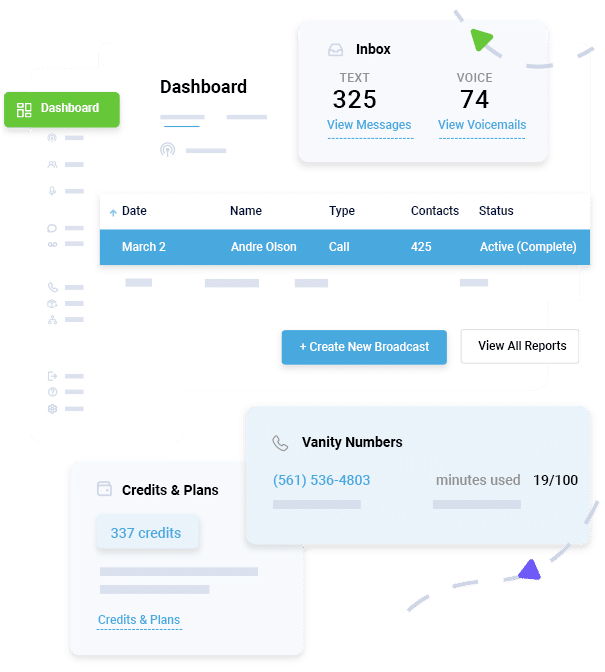
When you’re managing tornado and storm alerts, you don’t have time to juggle apps or spreadsheets. You need one reliable system that handles everything, from sending alerts to confirming receipt, without a lot of manual effort involved.
Here’s how DialMyCalls simplifies emergency communication:
Multi-Channel Delivery
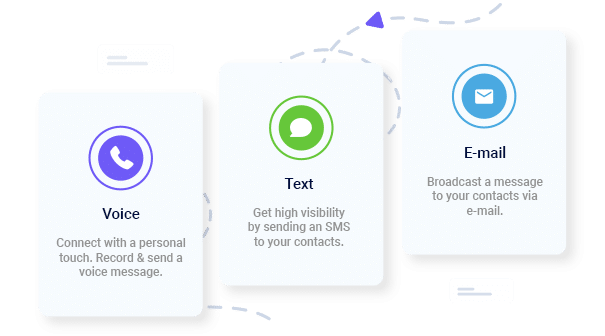
You can send instant alerts by SMS, voice, and email, all from a single place. Each method reinforces the other, so that if one channel fails, others still deliver.
Location and Group Targeting
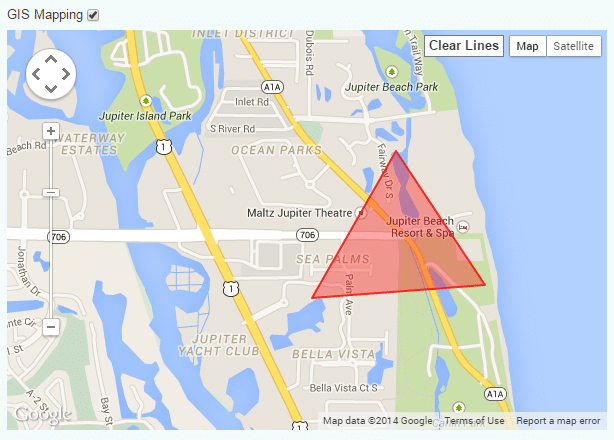
Don’t waste people’s time by sending messages they may not need. With DialMyCalls, you can segment your recipients however it makes sense for you (region, department, zip code, etc.) You can alert only those in the storm’s path, or message just your maintenance crews afterward.
NOAA/NWS Integration
Automate alerts the moment the National Weather Service issues a warning. DialMyCalls removes human delay, so your people get notified within seconds.
Two-Way Messaging
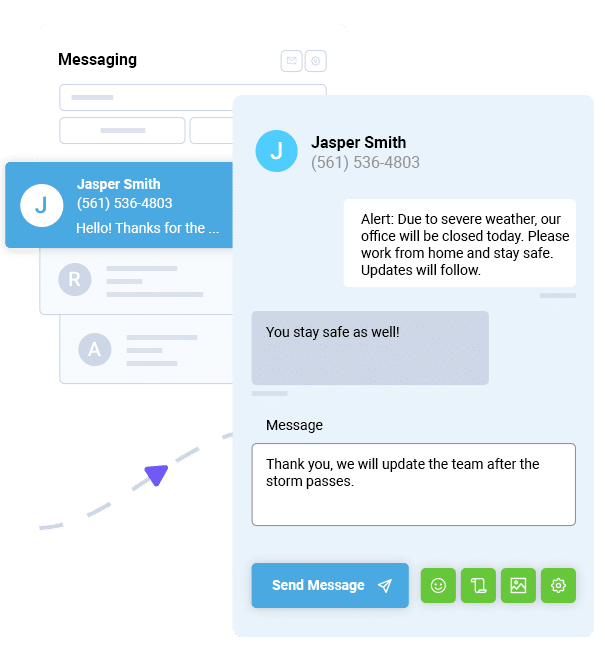
Let your recipients reply with their status or needs, helping you coordinate response efforts efficiently.
Detailed Reports and Compliance Logs
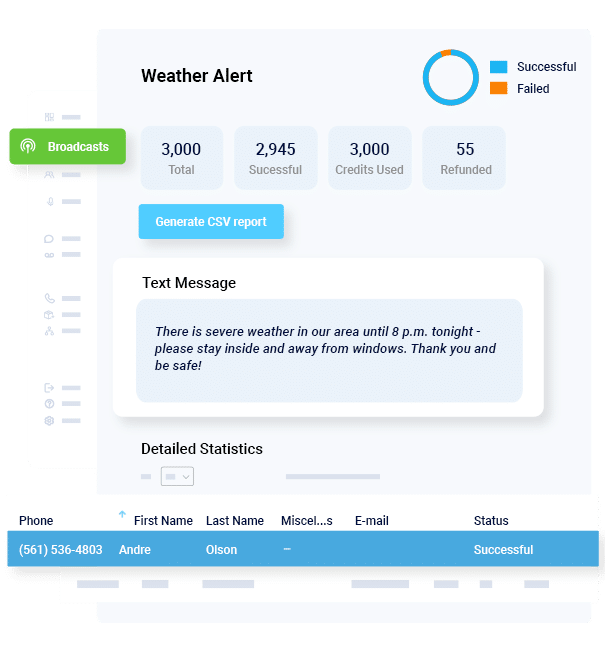
Access delivery-related data, including timestamps and confirmation data for accountability and recordkeeping. You can then use that information to fine-tune your emergency warning system, but also show that you’re upholding your responsibilities.
Scalable and Easy to Use
Whether you’re alerting 50 employees or 50,000 residents, DialMyCalls scales to fit. Setup takes minutes, not days, and you can launch alerts from any device. For communities, schools, and organizations serious about safety, DialMyCalls’ emergency notification system helps deliver storm readiness.
5 Common Mistakes to Avoid
Even well-made alert plans can backfire if they’re not managed carefully (another reason that regular training is important). Here are some common mistakes that you should avoid:
1. Sending Too Many Alerts
Over-alerting leads to alert fatigue, and people start ignoring notifications. Only send messages when there’s actionable information that your audience needs to know right now.
2. Delaying Manual Activation
When a tornado’s on the ground, you don’t have time to wait while someone manually enters warning data. Keep your alert templates ready to send instantly.
3. Using Unclear or Overly Technical Language
Plain language saves time and prevents confusion. Skip the jargon.
4. Neglecting Contact List Maintenance
Outdated or incomplete lists mean people get left out, or that you’re sending warnings to people who don’t need them. Schedule regular data updates and encourage recipients to verify their info.
5. Ignoring Post-Event Communication
After the danger passes, don’t forget to send “All Clear” messages and updates about shelter openings or recovery efforts.
DialMyCalls’ community notification system makes it easy to manage these follow-up communications automatically.
Instant Communication, Whenever You Need It
Send Real-Time SMS & Voice Call Alerts from Anywhere
Safeguarding Against Tornadoes and Storms
Tornadoes and severe storms are unpredictable, but your communication doesn’t have to be. By using multi-channel alerts, automation, geo-targeting, and two-way messaging, you can improve your community’s safety and readiness. The right system makes sure that no one’s left in the dark, no matter how fast the storm develops.
Sign up for DialMyCalls today and make sure your tornado and storm alerts are ready before the next warning hits.
Severe Storm Emergency Notification FAQs
How do tornado emergency alerts differ from traditional alarms?
Traditional alarms like sirens are useful but limited. They can’t reach people indoors or send specific instructions. Digital alerts deliver precise, actionable messages right to people’s phones and inboxes.
Can alerts be triggered automatically by weather systems?
Yes, DialMyCalls integrates with NOAA and NWS data feeds, so you get alerts automatically when your area is under a tornado or severe storm warning.
What information should a severe weather alert include?
Every alert should specify three things: 1) what is happening, 2) where it’s occurring, and 3) what actions recipients should take. Here’s an example: “Tornado warning for Madison County. Take shelter immediately in a basement or interior room.”
How often should organizations test alert systems?
You should test at least quarterly, with full-scale drills once or twice a year. Testing frequently keeps staff sharp and systems reliable.
Is DialMyCalls compatible with existing alert systems?
Yes, DialMyCalls can work alongside your existing PA systems, sirens, or local broadcast networks, giving you a complete, integrated emergency communication solution.
Stay Connected with Mass Notifications
Create & Send a Broadcast to Thousands in Seconds