Why Uptime Matters: Ensuring Redundancy and Failover in Emergency Communication Systems
are the heart of public safety response. To move fast, public safety agencies, emergency operations centers (EOCs), public-safety answering points (PSAPs), and dispatch teams depend on these systems to coordinate resources and protect lives during crises.
As they provide instant alerts and reliable delivery across multiple channels, these systems are much-needed for responding to wildfires, hurricanes, cyber incidents, and even active shooter events.
U.S. federal organizations such as the Federal Communications Commission (FCC), Department of Homeland Security (DHS), Cybersecurity and Infrastructure Security Agency (CISA), and National Emergency Number Association (NENA) consistently stress reliability, resilience, and redundancy as foundational to public safety communications, making these principles more important than ever.
When it comes to public safety, uptime, redundancy, and failover are non-negotiable.
What Is Uptime in Emergency Communication Systems?
Uptime measures how often a system stays available and functional, while, in emergency communication, it reflects the percentage of time that alerts, calls, texts, and system dashboards stay online and reliable.
According to the social journalism website Medium, uptime percentages often appear as:
- 99.9%: Allows about 8 hours and 45 minutes of downtime per year
- 99.99%: Allows about 52 minutes and 34 seconds per year
- 99.999%: Allows about 5 minutes and 15 seconds per year
Public safety agencies target higher uptime thresholds than commercial organizations because emergencies rarely wait for scheduled maintenance windows.
The FCC emphasizes resilient network design to support mission-critical services, while NENA standards echo that expectation by promoting fault tolerance and geographic diversity across emergency infrastructure.
Instant Communication, Whenever You Need It
Send Real-Time SMS & Voice Call Alerts from Anywhere
Why Uptime Is Critical During Emergencies
Emergency response depends on real-time information exchange. Dispatchers, responders, public information officers, and emergency managers rely on accurate alerts and immediate feedback to guide decisions during evolving situations.
In these situations, delayed or failed alerts create a domino effect of consequences: evacuation orders that arrive late increase injury risk, and shelter-in-place notices that never reach residents expose communities to danger.
Public trust also suffers when alerts fail, as residents expect emergency systems to function during disasters, not after recovery efforts begin. As a result, agencies face backlash from media outlets, regulators, watchdogs, and elected officials when communication breakdowns happen during high-profile incidents.
In the U.S., regulatory and compliance frameworks back up uptime expectations. The FCC oversees emergency alert systems and telecommunications reliability, while the DHS and CISA set resilience standards for critical infrastructure, including public safety communications.
Common Causes of Emergency Communication Failures
Emergency communication failures rarely stem from a single source. Multiple risk factors often stack up, compounding each other and speeding up outages. Agencies that understand these threats build systems that hold up under stress:
Infrastructure Outages
These disrupt fiber routes, cellular towers, and data centers.
Natural Disasters
Hurricanes flood switching facilities, wildfires destroy transmission lines, and earthquakes sever fiber routes. These incidents often affect multiple providers at once, making recovery more complicated.
Network Congestion
During mass emergencies, call volumes surge as residents seek information and reassurance. Data traffic spikes as agencies transmit situational updates, video feeds, and resource requests.
Power Failures
Even when networks remain intact, communication systems can go dark. Backup generators and battery systems can’t keep up if fuel runs out or maintenance slips.
Single Points of Failure
When systems rely on one carrier, data center, or delivery channel, a single outage can bring the entire operation down without backup systems.
Software or Vendor Outages
Even the best infrastructure can’t prevent downtime when updates, patches, or vendor platform issues hit.
Cyber Incidents
Cybercriminals can disrupt communications through ransomware attacks, denial-of-service campaigns, or system intrusions.
Human Error
Misconfigurations, expired certificates, and incomplete testing procedures cause failures that surface during real-world emergencies.
What Redundancy Means in Emergency Communication Systems
Redundancy makes systems more resilient by eliminating single points of failure. Emergency communication systems rely on parallel components that keep things running even if one part fails.
Network Redundancy
Agencies avoid depending on a single telecommunications provider by distributing traffic across multiple networks, which is the main idea behind network redundancy. Carrier diversity reduces exposure to regional outages, fiber cuts, and provider-specific incidents.
Meanwhile, multiple delivery paths route traffic through distinct physical routes and switching facilities.
FirstNet, the nationwide public safety broadband network, supports mission-critical communications for first responders and complements traditional carrier infrastructure. Agencies often combine FirstNet connectivity with commercial carrier services to strengthen redundancy across data and voice communications.
Infrastructure Redundancy
Infrastructure redundancy relies on geographically separate data centers and redundant hardware systems. In this approach, cloud infrastructure platforms distribute workloads across multiple availability zones and regions. Generators, battery arrays, and redundant power feeds maintain uptime during grid disruptions.
Geographic diversity reduces exposure to localized disasters such as floods, fires, and power grid failures.
Communication Channel Redundancy
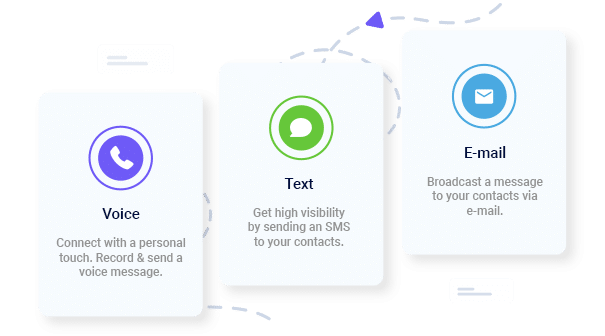
This redundancy ensures alerts reach recipients through multiple delivery methods. Agencies rely on the following overlapping channels that compensate when one channel fails or gets overloaded:
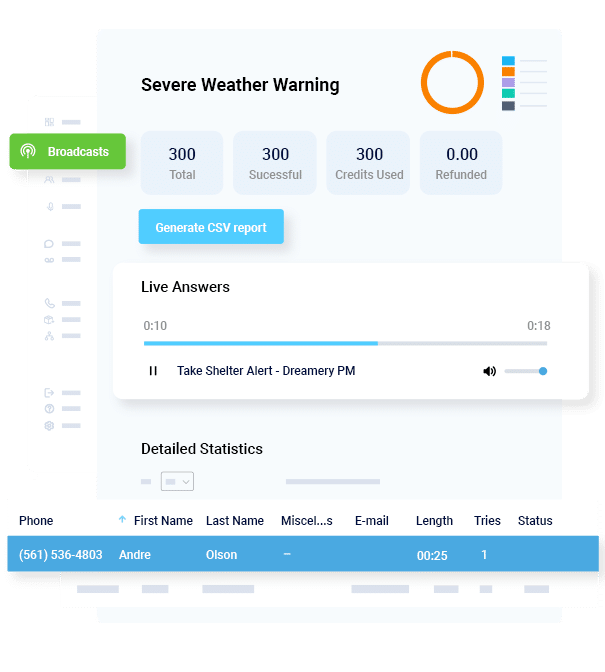
Voice Calls
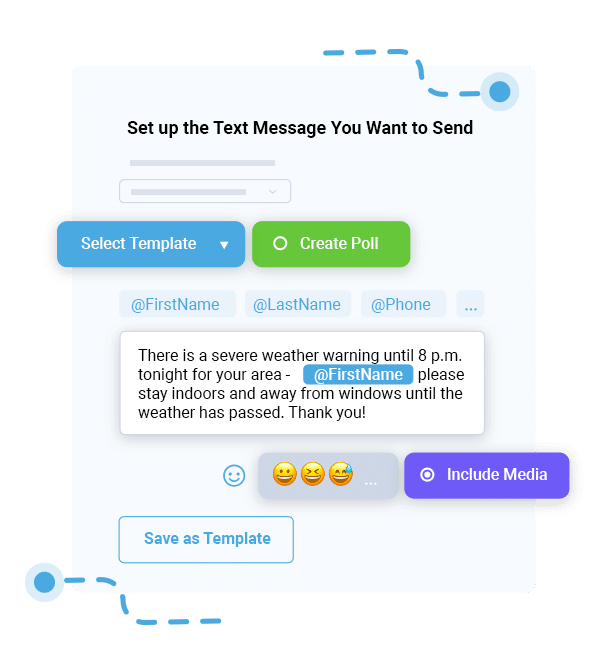
SMS/Text Messages
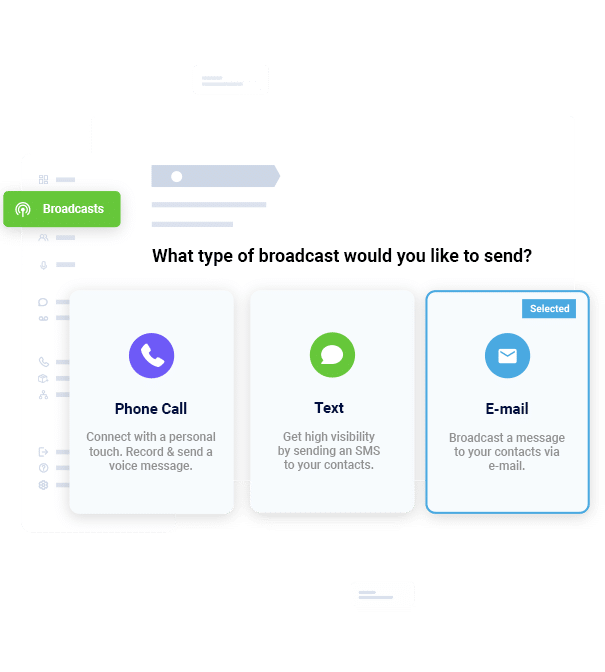
Email Notifications
Mobile App Alerts
Desktop Pop-ups
Public Address Integrations

Channel diversity increases the likelihood that messages reach the intended audience.
NENA standards encourage agencies to use multiple communication paths for alerts so messages can still get through during network congestion or infrastructure failures.
Understanding Failover in Emergency Communication
While redundancy provides backup components, failover determines how and when traffic shifts from failed systems to functioning ones. Emergency communications require immediate recovery without manual intervention because delays put lives at risk.
Meanwhile, manual failover requires human action, such as switching carriers, rerouting network traffic, or activating backup platforms. These processes introduce delays and error risks during high-pressure situations, making them unsuitable as primary recovery mechanisms for emergency communications.
How Failover Works During an Emergency
Failover systems continuously monitor network health, server availability, and application performance, and alert when monitoring tools detect failures such as packet loss, latency spikes, server crashes, or power disruptions.
Traffic rerouting mechanisms shift alerts and communications to alternate carriers, data centers, or processing clusters when failures occur. Load balancers distribute requests across healthy resources while isolating affected components.
Why Manual Recovery Is Not Enough
In most instances, emergency scenarios unfold quickly. Dispatchers and emergency managers can’t pause operations to reconfigure systems during evacuations, medical incidents, or active threats. Here, seconds matter, but manual recovery processes take minutes or hours.
Even worse, stress, fatigue, and incomplete situational awareness increase the risk of human error during manual interventions.
Automated failover reduces the cognitive burden on responders and IT staff during high-stress situations.
Redundancy vs Failover (Comparison)
Redundancy and failover serve complementary roles in high-availability emergency communication systems. Here’s a table for a quick comparison:
| Category | Redundancy | Failover |
|---|---|---|
| Definition | Backup components that replace failed resources | Automatic or manual switching to backup systems |
| Purpose | Eliminate single points of failure | Maintain service continuity during outages |
| How It Works | Duplicate carriers, systems, data centers, and channels | Detect failures and reroute traffic |
| Impact During Outages | Provides alternative paths and resources | Restores service without disruption |
How High-Availability Emergency Communication Systems Are Designed
High-availability emergency communication systems rely on a layered architecture that anticipates failure and responds instantly. Public safety agencies, PSAP administrators, and IT teams design platforms that stay operational during infrastructure disruptions, disasters, and traffic spikes.
Core design elements include:
- Distributed architecture that spreads workloads across multiple geographic regions and data centers
- Cloud-based systems, which provide elasticity, scalability, and geographic diversity
- Load balancing for equal distribution of incoming traffic across multiple servers, carriers, and delivery gateways.
- Continuous monitoring and testing that validate system readiness under real-world conditions.
Real-World Scenarios Where Uptime Makes the Difference
Emergency communication uptime determines whether alerts reach the public during fast-moving incidents. The following real-world events demonstrate how redundancy and failover directly impact outcomes across communities:
- Severe weather, where safety depends on the rapid dissemination of warnings about tornadoes, hurricanes, floods, and extreme heat
- Active shooter incidents requiring immediate lockdown instructions, situational updates, and responder coordination.
- Wildfires and evacuations that unfold rapidly across wide geographic areas
- Power grid failures and their effects on cellular towers, data centers, and household connectivity
- Network congestion during disasters that overwhelms cellular networks as residents seek information and contact loved ones
How Emergency Notification Systems Support Overall Resilience
Outbound mass notifications deliver timely instructions to residents, staff, and responders across multiple channels. Agencies issue evacuation orders, shelter-in-place directives, missing person alerts, and public health guidance through automated campaigns that scale rapidly during emergencies.
At their most advanced, emergency notification systems are paired with NG9-1-1 infrastructure and dispatch platforms for better emergency response with improved location accuracy, faster call handling, and greater resilience. PSAPs rely on these tools to communicate with internal staff, partner agencies, schools, hospitals, and critical facilities.
What to Look for in a Reliable Emergency Communication System

Public safety agencies require systems that perform reliably during worst-case scenarios. As you look for a reliable communication system, consider the following key criteria:
Guaranteed uptime SLAs
Agencies should review contractual commitments, historical uptime performance, and incident response procedures. SLAs should align with mission-critical availability requirements rather than standard enterprise benchmarks.
Built-in Redundancy
Platforms should operate across multiple data centers, carriers, and delivery partners without reliance on single points of failure.
Automatic Failover
Agencies should verify that failover processes operate automatically across network routing, message processing, and delivery channels without manual intervention.
Multi-channel Delivery
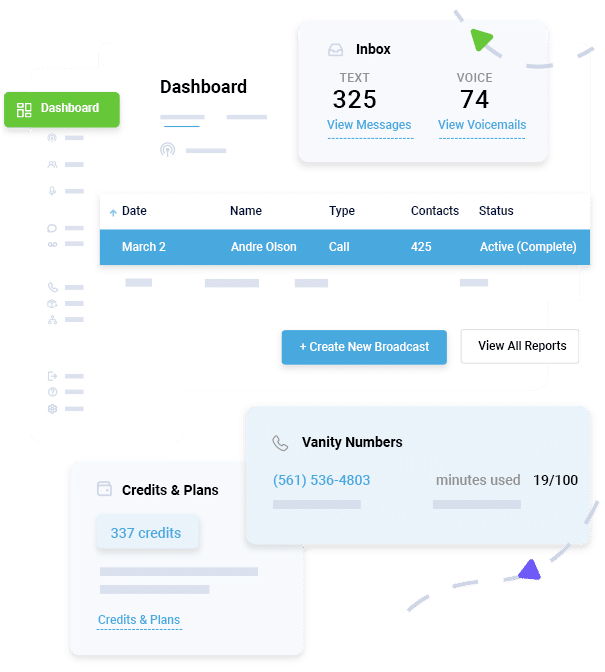
The platform you’re using must support voice calls, SMS, email, mobile apps, and desktop notifications within unified workflows.
Carrier Diversity
Systems should integrate with multiple telecommunications carriers across voice and messaging services.
Regular System Testing
Vendors should conduct failover drills, disaster recovery exercises, and performance testing at scale. Agencies benefit from transparent reporting on test results and incident histories.
Compliance and Security Standards
Platforms should follow federal security frameworks, encryption standards, access controls, and audit practices appropriate for public safety operations.
Keep Everyone Connected & Informed
Get the Word Out Quickly with Bulk Texting and Voice Calls
The Cost of Downtime vs the Value of Reliability
Downtime costs way more than just a technical inconvenience. Communication failures generate the following additional costs:
- Human safety impact is the highest cost. Delayed alerts put people in danger, missed notifications reduce evacuation compliance, and outages make it harder for responders to coordinate.
- When agencies fail to alert communities, residents lose confidence in public safety institutions. Public trust erodes quickly during high-profile incidents involving delayed evacuations, missed warnings, or communication blackouts.
- System failures can lead to investigations, regulatory scrutiny, and lawsuits if communication breakdowns contribute to injury, death, or property damage.
Financial implications don’t stop with the emergency itself. Agencies face remediation expenses, system replacement costs, overtime labor, public relations efforts, and long-term technology investments after failures. Reliable systems reduce these downstream costs through consistent performance.
Wrapping Up
Uptime is what keeps emergency communication systems ready when they’re needed most. Redundancy removes single points of failure, while failover restores service instantly when disruptions occur.
Together, these capabilities help public safety agencies, PSAPs, EOCs, and responders maintain continuous communications during disasters, infrastructure failures, cyber incidents, and traffic surges.
The FCC, DHS, CISA, and NENA all reinforce the importance of strong, fault-tolerant public safety communications, as communities count on emergency alerts to make life-saving decisions.
The good news is that agencies depend on reliable platforms to coordinate response efforts. DialMyCalls is one of those platforms.
We provide emergency notification solutions built for high availability, redundancy, and automatic failover. Agencies across the country use DialMyCalls to deliver alerts across voice, SMS, email, and app-based channels with carrier diversity and geographic resilience.
If your organization needs a reliable emergency communication system that performs when it matters most, explore DialMyCalls today to strengthen your emergency preparedness posture.
Emergency Communication FAQs
What is acceptable uptime for emergency communication systems?
Public safety agencies typically target uptime levels of 99.99% or higher. Mission-critical systems often require near-continuous availability because even brief outages can disrupt emergency response and public warning operations.
How does redundancy improve emergency communication reliability?
Redundancy eliminates single points of failure by providing backup networks, data centers, carriers, and delivery channels. When one component fails, others continue operating, preserving service availability during disruptions.
What is a failover in emergency notification systems?
Failover refers to the automatic switching of operations from a failed system to a backup system. Emergency notification platforms use failover to reroute alerts across alternate infrastructure and carriers without human intervention.
Can emergency alerts still be sent during network outages?
Yes. Systems with carrier diversity, multi-channel delivery, geographic redundancy, and automatic failover continue sending alerts during network outages by routing messages through alternate providers and channels.
How do public safety agencies ensure system reliability?
Agencies ensure reliability by selecting platforms with high uptime SLAs, built-in redundancy, automatic failover, carrier diversity, continuous testing, and compliance with federal resilience and security standards from organizations such as the FCC, DHS, CISA, and NENA.
Stay Connected with Mass Notifications
Create & Send a Broadcast to Thousands in Seconds