Emergency response depends on real-time information. When responders know what is happening as it unfolds, they can act faster and more confidently. Traditional emergency response methods, on the other hand, often leave visibility gaps. Information either comes in late or incomplete when conditions have changed.
Drones, IoT sensors, and smart city technologies provide live data and expand situational awareness so that teams can respond with accuracy and speed.
Most emergencies happen suddenly, and 100% of the time, responders have to make critical decisions immediately. They need to know where the danger is, who is affected, and what resources are available, often within minutes. That’s not always easy.
For instance, research shows that the average tornado warning time is 15 minutes. That small margin of time has been shown to improve public safety outcomes, but it is effective only if it provides responders with clear, reliable information to act on.
Keep Everyone Connected & Informed
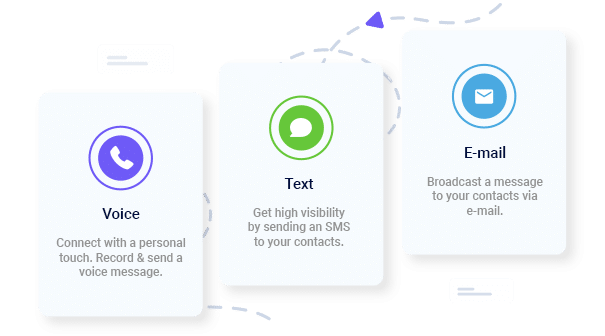
Get the Word Out Quickly with Bulk Texting and Voice Calls
While making decisions under intense pressure, responders may also have to rely on delayed, incomplete, or difficult-to-verify information. And when the incident involves multiple agencies, coordinating a shared picture of the situation becomes even more challenging. This is where smart technologies are starting to play a larger role.
Drones, connected sensors, and smart city systems are giving emergency teams new ways to see what’s happening in real time. Instead of relying solely on manual reports or scattered updates, responders can access live data that supports faster decisions and clearer communication.
These tools do not replace people. They support them by filling in blind spots, reducing delays, and helping agencies act with better information. This guide explores how these technologies are reshaping emergency response systems today.
Why Real-Time Data Is Critical in Emergency Response
Faster Decisions Save Lives
Time is a limited resource during emergencies and it determines if a situation will escalate or can be managed. This is why real-time data helps responders understand conditions as they are. It allows leaders to identify risks sooner, deploy resources where they are most needed and adjust response plans as conditions change.
Situational Awareness Challenges
In large or fast-moving incidents, situational awareness can be hard to maintain. For instance, fires can spread faster than expected, and floodwaters can rise. When these incidents lead to power outages, it can also impact communication.
Without real-time inputs, teams are often forced to rely on assumptions or delayed updates, which can increase risk for responders and the communities they serve. Whereas live data from multiple sources can reduce guesswork and help to create a clearer picture on the most urgent needs.
Coordination Across Agencies
Fire departments, law enforcement, emergency medical services, public works, utilities, and schools may all be involved in an emergency. The challenge lies in sharing information quickly and clearly.
When data is slow or fragmented. It can impact coordination adversely as teams may end up duplicating efforts or missing critical updates altogether. Having a shared awareness makes response efforts more aligned
The Limitations of Traditional Emergency Response Systems
Manual Reporting Delays
Traditional emergency responses depend on methods that take time, like phone calls, radio updates, and written reports. During fast-moving incidents, these steps can introduce delay, meaning that responders can arrive too late or act with incomplete knowledge of the risks involved.
Limited Visibility in Large-Scale Incidents
Responders cannot be everywhere at once, particularly in wide-area emergencies such as wildfires, floods or severe storms. No matter how hard they try, they cannot see the full scope of the situation from the ground. This means that they may only have visibility into the area that they can physically access, while other areas remain uncertain until further reports come in.
Without full visibility, responders may have to piece information together which makes planning become difficult. It can also increase safety risks for responders that are going into unknown conditions.
Communication Bottlenecks
A common challenge during emergencies is communication constraints. Even if information is readily available, the issue is whether it moves quickly. Messages may be delayed by overloaded communication channels, and this can hinder how updates spread to the right agencies.
This is where technology-supported data collection and automated communication begin to make a difference, to ensure that emergency text messaging reaches the public even when infrastructure is under stress.
How Drones Improve Emergency Response
Aerial Visibility in Disaster Zones
Drones provide a view that responders on the ground cannot always access. This visibility changes the overall scope of their operation. With the ability to scan the entire area, responders can:
Survey large areas quickly
Identify hazards such as blocked roads or damaged structures
Monitor evolving conditions in real time
FEMA and state emergency agencies increasingly use drones to support situational awareness during floods, hurricanes, and wildfires. Plus, having this aerial visibility helps incident commanders to assess conditions comprehensively based on live visuals and make plans as situations evolve. More importantly, responders don’t need to place personnel in harm’s way to get visibility reports.
Search and Rescue Support
Drones are valuable additions to search and rescue operations. Their thermal imaging and live video feeds functions provide the necessary view that responders need, especially in areas with low visibility and hazards.
They can effectively scan wide areas to help locate stranded individuals or identify signs of life in unsafe terrains. Teams can also use them to identify safe paths, thus increasing situational awareness and reducing risks to lives.
Damage Assessment
When an incident happens, one of the first steps is understanding the extent of the damage. This information is useful for recovery and safety planning, so teams are not deployed into unstable or dangerous areas. With the use of drones, teams can assess and document:
Structural damage
Flooded zones
Burn patterns in wildfire areas
By having the right information, rescue teams can safely plan next steps.
Access to Hard-To-Reach Areas
Areas like flooded roads, collapsed structures, and unstable terrain can be difficult to reach during emergencies. Drones help to bridge that gap by surveying the area and giving the operations team full visibility into the areas when ground access is impossible.
Instant Communication, Whenever You Need It
Send Real-Time SMS & Voice Call Alerts from Anywhere
Drones and IoT sensors work hand-in-hand in emergencies. While drones provide responders with a live view from above, IoT sensors provide data that help them understand what’s changing before the incident is visible to the human eye.
These sensors are embedded in environments, buildings, and infrastructure. Their job is to collect data around the clock and surface critical signals the moment something goes wrong.
Environmental Monitoring (Smoke, Water, Gas)
Environmental sensors are often the first to detect troubles. Here’s how different sensors work:
Smoke sensors can detect early signs of wildfire or building fires.
Water-level sensors track rising rivers, flash flooding or storm surge.
Gas sensors detect leaks that could trigger an explosion or health risks.
Because these sensors operate continuously, they don’t rely on someone noticing a problem and making a call. They trigger alerts as soon as the situation crosses a threshold. Agencies like the National Weather Service rely heavily on sensor networks to monitor rainfall, river levels, and atmospheric conditions.
The data from various sensors gives emergency managers the information they need to act in time so that incidents can be managed and fatalities reduced.
Infrastructure Health Monitoring
Emergencies affect people and infrastructure, and this is why responders place sensors on certain buildings and utilities. IoT sensors on bridges, roads, and power grids can monitor vibration, pressure, temperature, and movement.
When something shifts beyond the safe limits, the sensors will alert teams immediately. Instead of relying on visual inspections alone, this information can help emergency managers assess critical information, such as whether a bridge is safe to pass or if a building is structurally sound after an incident.
Early Warning Capabilities
Getting access to the early warning signs of an incident can significantly change outcomes. Sensors detect conditions as they develop, way before humans can see or feel the damage. This detection matters during disasters like floods, wildfires, chemical releases and extreme heat events.
For instance, earthquake monitoring systems can register seismic activity seconds before shaking reaches populated areas. That short window can trigger automated alerts and protective actions.
In essence, the earlier responders know something is wrong, the more options they have to protect people. Early alerts can improve response outcomes and reduce casualties.
Automated Alerts
One of the biggest advantages of IoT systems is automation. When they are connected to alerting systems, they can automatically prompt notifications without waiting for manual review. This ensures that warnings go out consistently and delays are reduced. It also supports human operations by ensuring that responders don’t miss important signals during high-pressure and fast-moving situations.
Maximize Outreach, Save Time
Start Transforming Your Communication with Mass Texting
How Smart City Technology Connects Emergency Response Systems
Sensors and drones generate data that smart city technology can bring together into a shared system. Instead of having information live in siloes, they can be integrated into platforms that are designed for coordination, visibility, and prompt decision-making. Here are the different ways that smart city technology aid emergency response systems:
Integrated Data Platforms
Smart city systems pull information from many sources like sensors, cameras, weather reports, and field reports into a single view.
This integration helps emergency operations centers understand what is happening across an entire city or region, rather than piecing updates together from multiple tools. Integrated platforms support faster planning and reduce confusion during complex incidents.
Traffic and Infrastructure Coordination
A lot of movements happen during emergencies and the clearer the routes are, the better. Smart traffic systems can adjust signals to clear routes for responders. They can also transmit data on which areas are accessible and those that are congested or closed to help the responder and the public avoid unsafe roads.
Real-Time Dashboards for Responders
When data is gathered and uploaded into systems, teams can use them for sensor readings and incident updates. This eliminates the long process of scanning multiple reports under traditional emergency operations.
With a dashboard that updates in real-time, teams can rapidly identify priorities, coordinate efforts and effectively allocate resources.
Cross-Agency Communication
Emergencies rarely belong to a single agency, and smart city systems facilitate support collaboration. These platforms give different departments and teams, like police, public works, and health services, access to information. When everyone works from the same understanding of the situation, coordination improves, and efforts are better aligned.
Real-World Emergency Scenarios Using Smart Technologies
Wildfires
Wildfires spread fast and can change direction without warning. By using sensors, teams can detect smoke and temperature changes. Drones, on the other hand, can provide aerial views of fire lines. Smart systems then combine the data from these tools to support evacuation and public alerts.
Flooding
Flood sensors monitor rivers and drainage systems continuously. When water levels rise, they trigger alerts automatically. Drones help to assess flooded areas and identify isolated residents and safe routes. Traffic systems also assist in rerouting vehicles away from submerged roads.
Earthquakes
Earthquakes offer little warning, but seismic sensors detect ground movement and send immediate intensity and location to monitoring systems. While the warning times may be short, earthquake emergency notifications can help to assess damage before crews get to affected areas.
Urban Emergencies
Emergencies can unfold quickly in cities and involve power outages, hazardous material incidents, or active threats.
Smart cameras, environmental sensors, and connected infrastructure help teams track conditions in real time. Traffic coordination clears paths for responders, while alert systems keep residents informed about what to do and where to go.
How DialMyCalls Fits Into Modern Emergency Response
Data alone does not protect people. Communication turns data into action, and this is where DialMyCalls comes in with various benefits that help in emergencies.
Turning Sensor Data Into Alerts
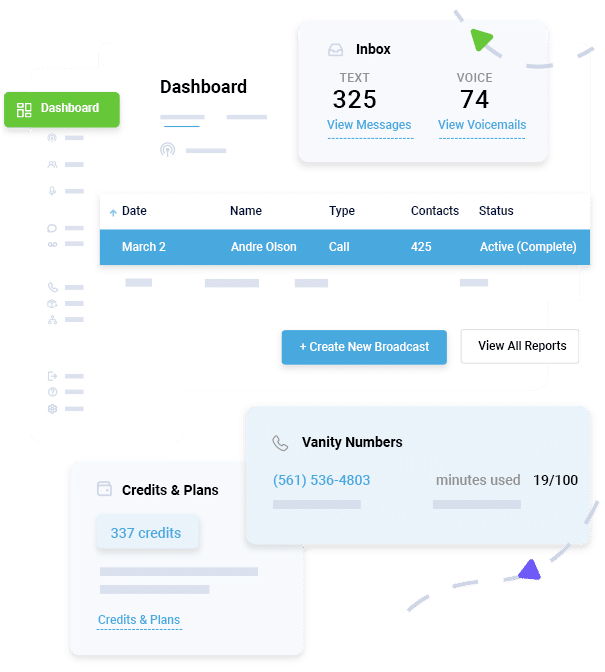
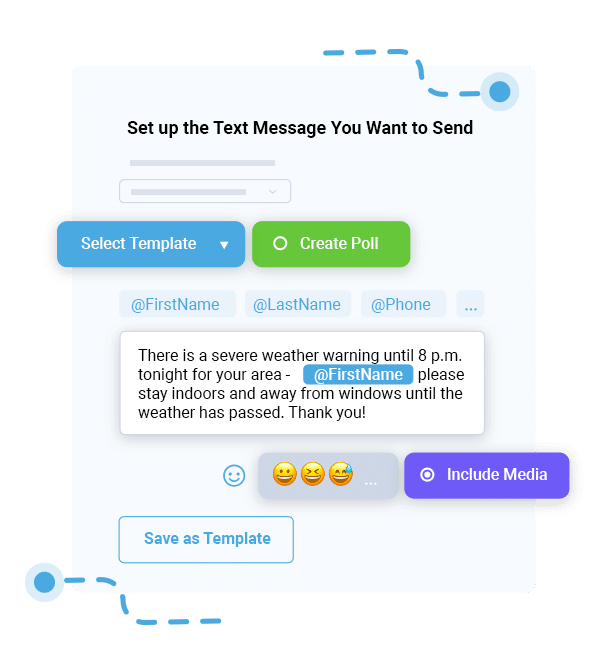
Sensor readings and system alerts are only effective if they reach the right people quickly. DialMyCalls helps to turn information into clear, timely alerts. When conditions trigger warnings, organizations can notify affected groups within seconds. They can also send targeted and tailored messages to specific locations or audiences based on the data received.
Rapid Notification to People
Delays create risks in emergencies. DialMyCalls allows emergency managers, schools, healthcare facilities, and municipalities to notify large groups within minutes. You can reach staff, residents, students, and stakeholders immediately and leave room for action.
Multi-Channel Emergency Communication
During emergencies, you have to consider how different people receive information to maximize reach. While some people tend to open their emails regularly, others prefer text messaging. This variety changes how information is conveyed.
The best approach is always to use a multi-channel communication system like DialMyCalls, which ensures that messages reach everyone wherever they are in the channel they are most likely to check. And if one method fails, other channels can still deliver critical information.
Supporting Last-Mile Delivery
The final step in any emergency response is reaching people directly. No matter how advanced the sensors or systems, outcomes depend on whether individuals receive clear instructions and timely updates. DialMyCalls helps close that loop by getting information from systems to people.
Conclusion
Emergency response is evolving and technology is championing that change. Drones, IoT sensors, and smart city technology are reshaping how responders gather information and make decisions. Drones expand visibility, sensors detect risks earlier, and smart city platforms connect systems and agencies.
When all these three work together, they improve incident awareness, coordination, and safety. As information moves quickly from systems to people, organizations can act decisively, and communities can respond with confidence. DialMyCalls supports this critical step so that organizations can stay prepared and communicate when it matters most.
Emergency Response FAQs
How are drones used in emergency response?
Drones provide aerial visibility, support search and rescue, assess damage, and help responders understand conditions without putting people at risk.
What role do IoT sensors play in emergency management?
IoT sensors monitor environmental conditions and infrastructure, detect early warning signs, and trigger alerts that help teams respond faster.
How does smart city technology improve public safety?
Smart city systems connect data across systems, support real-time dashboards, and improve coordination between agencies.
Are smart city emergency systems reliable during disasters?
Yes. Many systems are designed with redundancy and backup power which are beneficial during disasters.
What are the risks of using smart technology in emergency response?
Common risks associated with smart technology include system failures or data overload, which is why human oversight and backup communication methods remain essential.
How do emergency alerts work with smart city systems?
Smart systems detect conditions and trigger alerts, while notification platforms deliver clear instructions to people across multiple channels.
Ryan Betancur is an Emergency Management Planner at Hagerty Consulting and a proud US Army veteran. Drawing on years of experience, he specializes in healthcare and critical infrastructure emergency management, strategic planning, and business continuity. Ryan has been on the front lines managing COVID-19 responses in New Jersey and Illinois and supporting NYC's Migrant Crisis response. He holds a master's degree in Homeland Security and Emergency Management and multiple certifications in emergency preparedness.
“I am a youth minister and have spent hours in the past calling students individually to remind them of an upcoming event or to get out an urgent announcement. With DialMyCalls.com, I cut that time down to about 1 minute. I also love how I can see exactly who answered live and how long they listened so I know if they heard the whole message. DialMyCalls.com is the best website I have stumbled upon all year! Thanks!”
Real Results, Real ReviewsOver 40,000 customers trust our platform – and it shows.
4.3
502 Reviews
4.7
836 Reviews
Author
Ryan BetancurEmergency Management Planner
Ryan Betancur is an Emergency Management Planner at Hagerty Consulting and a proud US Army veteran. Drawing on years of experience, he specializes in healthcare and critical infrastructure emergency management, strategic planning, and business continuity. Ryan has been on the front lines managing COVID-19 responses in New Jersey and Illinois and supporting NYC's Migrant Crisis response. He holds a master's degree in Homeland Security and Emergency Management and multiple certifications in emergency preparedness.
“I am a youth minister and have spent hours in the past calling students individually to remind them of an upcoming event or to get out an urgent announcement. With DialMyCalls.com, I cut that time down to about 1 minute. I also love how I can see exactly who answered live and how long they listened so I know if they heard the whole message. DialMyCalls.com is the best website I have stumbled upon all year! Thanks!”
Fill out the form below to get a fast custom pricing quote specific for your
organization.Want to speak to our sales team now? Call us at
1-800-928-2086
Thank you!
A representative will be reaching out to you soon.
For immediate help you can call us on
800-928-2086.
Try Out DialMyCalls Now?
Enter a new password and click create account and you'll be able to send 25 test messages now.
Send A Sample Broadcast
We'll send a sample call or text to your phone right now. Remember when you use DialMyCalls you can record your message in your own voice. When the phone rings just pick up and say "Hello" to hear the message.