Here’s the basic problem with most apartment complexes: you can live three feet from someone for three years and never learn their name. Tenants share walls, laundry rooms, common areas, and parking lots, but without any effort on your part (as the owner/property manager), they probably won’t share much else. The result? A building full of people who feel like nameless background characters rather than members of a community, and those people don’t renew leases.
The fix isn’t complicated, but it does mean that you need to take some specific actions. When you actively build connections between residents, you change the experience of living in your complex. Tenants feel more invested, take better care of the property, are more likely to resolve minor disputes with neighbors directly rather than escalating to you, and they stay longer (which is the whole goal, after all).
A structured Apartment Community Engagement & Resident Communication System gives you a way to do this all the time, not just when you remember to plan a barbecue.
Instant Communication, Whenever You Need It
Send Real-Time SMS & Voice Call Alerts from Anywhere
What Is an Apartment Community Engagement & Resident Communication System?
Apartment community engagement sounds like a fancy term, but it’s not that complicated. Apartment community engagement refers to the strategies and activities landlords or property managers use to encourage interaction, communication, and participation among residents in an apartment complex. These efforts help create stronger relationships between tenants, improve satisfaction, and foster a more connected living environment.
An Apartment Community Engagement & Resident Communication System is what you use to make that happen. It combines communication channels, community activities, shared spaces, and resident initiatives.
Why Does Community Matter in Apartment Complexes?
You might think of community as a nice-to-have. It’s something you get to if there’s time and budget, but ultimately, that doesn’t affect much. That’s not the case at all.
Tenant Retention
Residents who feel connected to their neighbors and their building are more likely to renew their leases because they like where they live and have relationships with the people there.
Resident Satisfaction
People who feel like they belong somewhere rate their apartment living experience higher, even when maintenance issues or other problems come up. Those positive reviews/ratings give you a buffer against inevitable complaints, making your property more attractive to new residents.
Safer, More Cooperative Living
Neighbors who know each other look out for each other. They also get along better, and they’re more likely to handle minor conflicts directly rather than escalating things. That means you spend less time mediating disputes between strangers.
Better Property Reputation
Word of mouth is still the most important form of marketing. A complex where residents feel at home generates referrals and strong reviews, both of which make your job easier when units turn over.
How to Build Community in Your Apartment Complex
Like the idea of creating a sense of community between your tenants? Here are six ways you can accelerate the process.
1. Host Community Events
You don’t need a big budget or a full calendar. Start with a few events like a summer barbecue, a holiday get-together, or a game night in the community room, and go from there.
Even low-key events help encourage your residents to mix and mingle. Two neighbors who meet at a barbecue are more likely to wave hello in the parking lot, help each other carry groceries, and coexist more cooperatively.
A few things that work: monthly potluck dinners, outdoor movie nights, holiday decorating contests, seasonal clean-up days that double as social events. Keep the barriers to participation low, too, which can mean free food, a casual format, or no RSVP required.
Use mass text alerts to announce events ahead of time. A quick text a few days out and a reminder the morning of will get you a better turnout than a flyer on the bulletin board.
2. Create Shared Spaces People Want to Use
If your complex has a courtyard, a lounge, a rooftop, or a garden area, those are already helping with community-building, or they should be. A well-maintained, inviting shared space draws residents out of their units and into contact with each other, but a neglected one tells residents there’s nothing worth sticking around for.
Think about what makes a shared space usable: comfortable seating, good lighting, a grill that works, a garden plot or maybe raised beds or a container garden for residents, and tables where people can sit with a laptop are good examples. The specifics depend on your property, but the idea is to make the common areas somewhere people want to be.
Don’t skimp when it comes to cleaning and maintenance, either. You want your residents to want to use shared spaces, not avoid them.
3. Improve Communication with Residents
Communication is a prerequisite if you want to create a sense of community. If tenants don’t know what’s going on, they can’t take part or make use of your communal spaces.
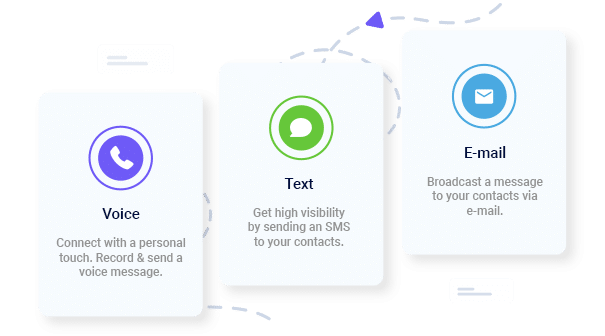
Consistent communication solves this. Keep people informed with a monthly community newsletter, regular text alerts, and announcements. Mass text alerts and voice calls are great tools for this. There’s no hoping that someone checks the bulletin board or their email. Use them for event announcements, maintenance notices, emergency updates, and community news. That said, make sure your messages are to the point.
4. Make Resident Participation Easy
The most engaged communities aren’t ones where management does everything and residents watch. Residents have to have a hand in shaping what happens.
Invite tenants to help plan community gatherings. Form a resident committee (even if it’s an informal one) to come up with ideas and coordinate activities. Ask for feedback on shared spaces or community initiatives. When residents contribute, they’re invested. When they’re invested, they participate. When they participate, they stay.
Don’t get too formal here, either. A simple survey, a question at a community event, or a dedicated text line for suggestions (the digital equivalent of a suggestion box) all go a long way. The point is to make residents feel like co-owners of the community, not just occupants of the building.
Resident feedback also gives you access to some very useful information. You’ll learn what’s working, what isn’t, and what your tenants actually want, which is always better than guessing.
5. Welcome New Residents
First impressions matter more than you think. A new tenant who moves in and hears nothing from management for the first two weeks has already started forming an opinion, and it’s not a great one.
Send a welcome message before or on move-in day. Include information that does them some good, like trash pickup days, parking rules, how to submit a maintenance request, and upcoming community events. Introduce them to neighbors when you can. A tenant introduction (even a quick note that says “your neighbor in 4B is Sarah, she’s been here two years and knows the area well”) makes it easier for them to connect with others.
6. Work with Local Businesses
Community doesn’t stop at your property line. Working with restaurants, gyms, coffee shops, or service providers to give your residents discounts/perks expands the sense of community to the surrounding neighborhood, and it gives you something else to offer tenants.
Don’t assume that this has to be complicated. A local coffee shop that offers residents 10% off or a gym that gives them a discounted membership makes residents feel like their landlord is looking out for them.
It also helps you build relationships with the neighborhood, which matters for your property’s reputation over time.
Keep Everyone Connected & Informed
Get the Word Out Quickly with Bulk Texting and Voice Calls
Building community is one thing, but keeping it going is another.
Communicate Regularly
Don’t go weeks without any outreach and then flood residents with messages when something goes wrong. Predictable resident messaging keeps tenants in the loop and shows that you’re paying attention.
Encourage Respectful Interaction
Set the tone through your own communication. When you address residents directly, model the respectful, clear tone you want them to use with each other. Conflicts are going to happen. How you handle them is important.
Cleanliness and Accessibility
This one’s not negotiable. If you don’t clean and maintain your common areas, your residents won’t want to use them. Make it part of your regular schedule to clean and repair what’s needed, and make it easy for your residents to report issues (and then follow through).
Get Feedback from Residents and Then Do Something with It
Getting feedback that you don’t use is worse than not asking at all. When residents offer ideas or flag concerns, respond. Even when you can’t do what they’re asking, acknowledge it.
Be Consistent
Community building doesn’t work as a one-time initiative. It means that you have to keep showing up.
Apartment community engagement strengthens tenant relationships, builds a sense of belonging, and promotes shared experiences.
Example Community Messages Landlords Can Send
Not sure how to improve apartment community engagement with messaging? Here are a few good examples.
Community Event Announcement (Text)
Our summer BBQ is this Saturday at 5 PM in the courtyard. Food and drinks provided, bring a neighbor, and see you there!
Maintenance Notice (Text)
Pool cleaning and maintenance is scheduled for tomorrow (Wednesday) and will last from 10 AM to 2 PM. The pool will reopen by 3 PM. Thanks for your patience.
Welcome Message for New Residents (Text or Email)
Welcome to [Complex Name]! We're happy that you chose us to call home. Your move-in packet has everything you need to get settled: trash pickup is Tuesday and Friday, maintenance requests go through [link/number], and our next community event is [date]. Reach out with any questions.
Monthly Newsletter Announcement (Text)
Our May resident newsletter is out! Get all the info about upcoming events and maintenance updates. Check your email or pick up a copy at the front office.
Resident Feedback Request (Text)
Give us your input! What would make [Complex Name] a better place to live? Reply to this message or fill out our quick survey: [link].
Emergency or Urgent Update (Voice Call + Text)
Attention residents: Due to a water main issue, water service will be temporarily interrupted today from 2 to 5 PM. We apologize for the inconvenience and will send an update once service is restored.
Apartment community engagement relies on resident communication, but resist the urge to go overboard. Keep messages short and relevant.
Here’s to Building a Real Community
Large apartment complexes don’t become communities by accident. Sure, you’ll have the odd resident who’s more outgoing than others, but most of them will keep to themselves, which means that your property never really becomes anything more than that.
An Apartment Community Engagement & Resident Communication System gives you a way to keep reaching out. Use it to keep residents informed, welcome new tenants, gather/respond to feedback, and build the kind of environment where people feel like they belong.
The payoff is higher satisfaction, stronger retention, fewer conflicts, and a property reputation that attracts the tenants you want. Connected residents stay, and they tell other people worth knowing.
Landlord Frequently Asked Questions
Why is building community important in apartment complexes?
Apartment community engagement strengthens tenant relationships, improves resident satisfaction, and encourages resident interaction. Residents can live in the same building for years and never interact with one another. That changes how they feel about their home, how they treat shared spaces, and how long they stay. Community building gives residents a reason to care about where they live, which pays off in satisfaction and retention.
How can landlords encourage tenants to interact with one another?
Plan a handful of events and make shared spaces that they actually want to use. From there, get people to participate with surveys and even help plan events.
Do community events really help retain tenants?
Yes, they do. When residents know their neighbors, there’s more to moving out than just finding another apartment complex. That works in your favor. Tenants who feel at home don’t look for reasons to leave.
How central is communication in community building?
Communication is the most important part of the process. It keeps your tenants informed and shows them that you’re engaged. Mass text alerts and voice calls reach residents directly, without depending on them to check a bulletin board or open an email.
How can landlords welcome new residents?
Send a welcome message on or before move-in day with practical information and a warm tone. Introduce new tenants to their neighbors when possible (even a quick note goes a long way) and invite them to the next community event. The goal is to make the transition from “new tenant” to “community member” as short as possible.
What communication tools work best for reaching residents?
Mass text alerts and voice calls are the most effective for time-sensitive information, like event announcements, maintenance notices, community announcements, and emergency updates.
Michel Rondeau is an independent consultant with 20+ years in telecommunications, specializing in leadership, customer experience, and operations enablement. As a DialMyCalls contributor, he shares insights on communication and team development. A Prosci Certified Change Practitioner, he has received multiple industry awards and actively mentors professionals.
“I am a youth minister and have spent hours in the past calling students individually to remind them of an upcoming event or to get out an urgent announcement. With DialMyCalls.com, I cut that time down to about 1 minute. I also love how I can see exactly who answered live and how long they listened so I know if they heard the whole message. DialMyCalls.com is the best website I have stumbled upon all year! Thanks!”
Real Results, Real ReviewsOver 40,000 customers trust our platform – and it shows.
4.3
502 Reviews
4.7
836 Reviews
Author
Michel Rondeau
Michel Rondeau is an independent consultant with 20+ years in telecommunications, specializing in leadership, customer experience, and operations enablement. As a DialMyCalls contributor, he shares insights on communication and team development. A Prosci Certified Change Practitioner, he has received multiple industry awards and actively mentors professionals.
“I am a youth minister and have spent hours in the past calling students individually to remind them of an upcoming event or to get out an urgent announcement. With DialMyCalls.com, I cut that time down to about 1 minute. I also love how I can see exactly who answered live and how long they listened so I know if they heard the whole message. DialMyCalls.com is the best website I have stumbled upon all year! Thanks!”
Fill out the form below to get a fast custom pricing quote specific for your
organization.Want to speak to our sales team now? Call us at
1-800-928-2086
Thank you!
A representative will be reaching out to you soon.
For immediate help you can call us on
800-928-2086.
Try Out DialMyCalls Now?
Enter a new password and click create account and you'll be able to send 25 test messages now.
Send A Sample Broadcast
We'll send a sample call or text to your phone right now. Remember when you use DialMyCalls you can record your message in your own voice. When the phone rings just pick up and say "Hello" to hear the message.