Everything You Need to Know About SMS Compliance: A Complete Guide
Text messages create critical connections between businesses and customers, fast, direct, and incredibly effective. They’re powerful ways to send updates, announce new products or incentives, and entice customers to buy. But before you hit send on that next SMS campaign, understand this: following the rules isn’t optional.
Strict regulations govern SMS marketing, and failing to follow them can lead to hefty fines, lawsuits, and a tarnished reputation. Blindly engaging in SMS marketing without knowing the potential pitfalls if you overstep legal boundaries is a bad idea.
What are those regulations? Navigating the web of SMS compliance laws doesn’t have to be overwhelming. This guide will walk you through the rules currently in place, best practices to follow, and actionable steps to implement so you can keep your text campaigns both effective and legal.
Reach Thousands, Instantly
Grow Your Business by Leveraging Mass Texting
What Is SMS Compliance and Why Does It Matter?
At its core, SMS compliance means following the rules and regulations that protect consumers from unwanted or deceptive text messages. In a nutshell, these laws and industry guidelines are designed to make sure that businesses: 1) Get clear consent before sending marketing texts. 2) Provide easy opt-out options. 3) Avoid misleading, spammy, or excessive messaging. 4) Secure customer data and respect privacy rights. It’s your responsibility to protect the information that your customers have entrusted to you.
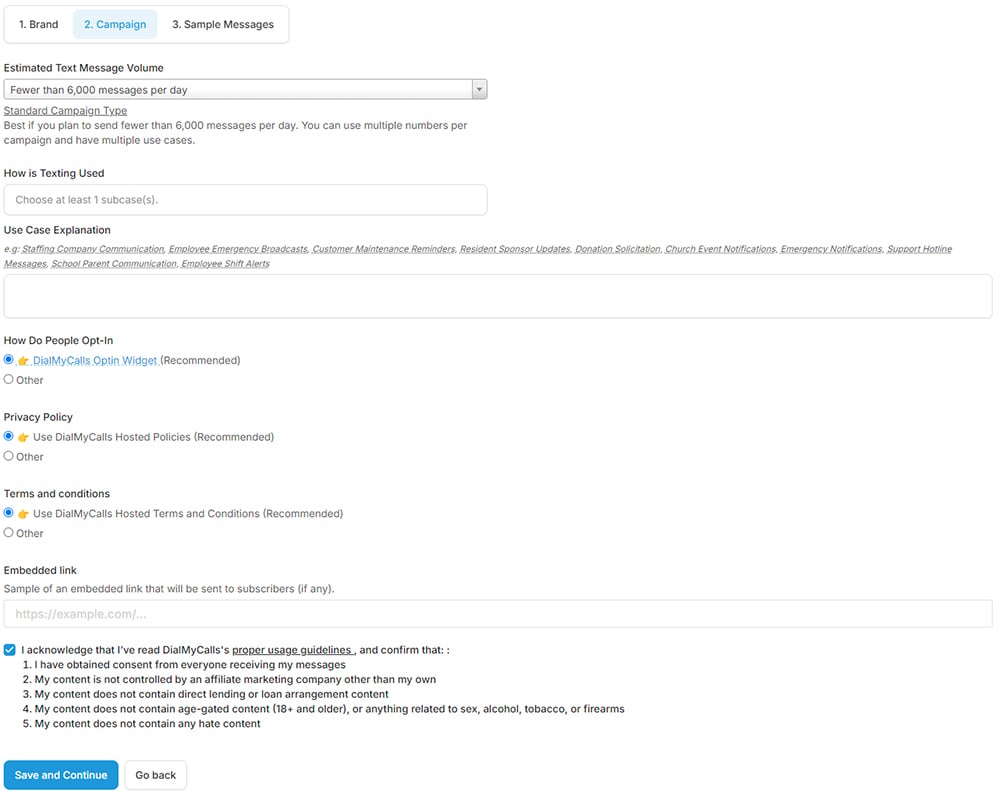
Failing to comply doesn’t just mean annoying your customers, although that can be bad enough. It can result in serious legal and financial consequences. U.S. businesses have faced millions in statutory damages for allegedly violating SMS regulations, and global privacy laws are tightening their grip on mobile communication. Don’t take that at face value, though. Dozens of companies have to pay 8-figure settlements for allegedly violating TCPA. For example:
- AT&T agreed to pay $45 million to resolve a class action – they allegedly sent unsolicited robocalls and text messages.
- Carvana is facing a class action lawsuit for violating the TCPA and sending unsolicited text messages and/or phone calls.
- Ima Pizza LLC (&Pizza) agreed to pay $750,000 for its violation of the TCPA and sending marketing messages to people who had already opted out of them.
- In an older but groundbreaking case, Domino’s Pizza was fined $10 million for sending unsolicited promotional texts.
As you can see, SMS marketing regulations aren’t just for show. These laws have real teeth. It’s important that you stay on the right side of the line, but doing so requires that you know where that line is. Let’s break down the key regulations you need to follow.
Key SMS Compliance Regulations You Need to Know
- TCPA (Telephone Consumer Protection Act)
- CTIA (Cellular Telecommunications Industry Association) Guidelines
It would be nice if there was just one set of rules that you had to follow. The truth is a bit more complicated than that. Depending on the audience you’re trying to reach, you may need to jump through multiple hoops. The good news is that it’s not as complicated as you might think and really just boils down to avoiding unethical actions. The four compliance regulations to know can be found below:
TCPA (Telephone Consumer Protection Act)
The TCPA is the heart of SMS compliance in the U.S. Here’s what you need to know:
Express Consent
You must get explicit permission before sending marketing texts. Without consent, you cannot market to anyone via SMS. If you don’t have consent and you choose to send texts, you could find yourself in very hot legal water. It’s also important to note that consent comes in three flavors:
Consumer-Initiated
In this instance, the consumer reaches out to your brand via text. You do not need permission to continue the specific conversation stated by the consumer.
Informational
The consumer gives you their phone number to receive informational updates, like appointment reminders and other non-promotional updates.
Promotional
The consumer gives you their permission to send promotional text messages. Note that even adding a coupon code or call to action to an informational text might mean that message is now promotional and requires written consent from the consumer.
Opt-Out Requirements
Consumers should be able to send an opt-out message in reply (e.g., replying STOP) in order to stop further messages. CTIA guidelines also direct brands to periodically insert instructions into their messages concerning the right keywords they can use to do so. And once someone opts out of receiving your messages, stop sending them. They’re off-limits. Several businesses have found themselves facing major penalties because they didn’t honor opt-out requests.
Time Restrictions
While federal law has time restrictions for unsolicited live telemarketing to individuals not on the DNC Registry, some states have more restrictive cut-off times, even for solicited messages. Florida, for example, only permits telemarketing messages between 8 am and 8 pm, so know where your audience members live and follow the rules set by each state.
Identify Yourself
The sender’s identity must be clear in every message.
Penalties
Violating TCPA can cost you up to $1,500 per non-compliant text. And those can mount pretty quickly if you’re using a mass texting service (the best way to get the word out to as many people as possible within a short amount of time).
Maximize Outreach, Save Time
Start Transforming Your Communication with Mass Texting
CTIA (Cellular Telecommunications Industry Association) Guidelines
While not legally binding in the sense that no one can sue you for alleging violating these guidelines, CTIA guidelines serve as best practices for SMS marketing, and carriers may block non-compliant messages. So, even though CTIA guidelines aren’t law, it’s still in your best interests to follow them.
Opt-In Transparency
You must clearly state what recipients are signing up for, including message frequency (e.g., “recurring” messaging).
Message Content Rules
Avoid prohibited content like SHAFT (sex, hate, alcohol, firearms, tobacco) topics.
Respect Opt Outs
If a user opts out, you must stop sending messages immediately (although an immediate opt-out confirmation message is permitted).
You can probably see where most of these regulations are going. Play aboveboard. Keep things legal. Don’t spam your recipients. But there’s more you should know, particularly if you have an international customer base.
By this point, you should have a pretty solid understanding of the requirements for compliance. While there are multiple regulations, the gist is pretty similar from one to the next. But what does that mean for you in terms of what you should and shouldn’t do? Let’s explore.
Best Practices for SMS Compliance
Following the rules is just the start. Here’s how to keep your SMS marketing legally sound and customer-friendly.
1. Obtain Clear and Explicit Consent
- Use opt-in forms or, better yet, double opt-in forms (where users confirm via text). Double opt-ins show without a doubt that your customer actively wants to receive promotional texts from you, and is a best practice where the consumer’s first opt-in does not come from their mobile device. For example, if a consumer opts in via a website form, but enters the wrong number, then a double opt-in will stop unsolicited messages if the “wrong” consumer fails to opt in.
- Clearly state what recipients can expect (message content, frequency, and potential costs). The more specific you are, the better. Not only does this help inform your customers, but it also reduces the number of claims along the lines of, “I didn’t expect to receive this kind of content” and subsequent opt-outs.
- Keep detailed records of consent to protect your business. When a customer withdraws their consent, you must honor it.
2. Make Opt-Out Easy and Immediate
- Offer simple keywords like “STOP” or “UNSUBSCRIBE”. You cannot have unnecessary hurdles in the process.
- Make sure that opt-outs are processed immediately, with no extra steps required.
- Send a confirmation message when a user unsubscribes. Let them know you’ve received their request and that you’re honoring their wishes. This can be something as simple as a message that reads “We’re sad to see you go”.
3. Disclose Message Frequency and Costs
- If you send multiple messages per week, let recipients know upfront. There’s nothing like agreeing to receive texts only to be inundated with a glut of them to make consumers opt out.
- Inform your customers of potential carrier charges when applicable. While many people have free text messages, that’s not the case for everyone.
4. Protect Customer Data
- Use encryption and secure storage for SMS subscriber data.
- Limit access to customer information within your organization.
- Regularly review your data privacy policies.
5. Conduct Regular Compliance Audits
- Set up an internal compliance team or work with legal consultants.
- Monitor campaigns for compliance violations before messages are sent.
- Use SMS compliance tools like those offered by DialMyCalls to automate compliance checks.
The Cost of Ignoring SMS Compliance
Still think compliance is just a formality? Here’s what’s at stake:
Massive Penalties
TCPA violations can cost up to $1,500 per text.
Legal Battles
Dozens of companies have faced multi-million-dollar lawsuits over SMS compliance violations.
Reputation Damage
Non-compliance can erode customer trust and hurt your brand.
How to Stay Updated with SMS Compliance Regulations
- Follow Regulatory Bodies
- Subscribe to Industry Blogs
- Attend Webinars and Conferences
- Use Compliance Tools
SMS laws and guidelines change frequently. Here’s how to stay ahead:
Follow Regulatory Bodies
Check updates from the FCC, CTIA, and state regulators. Remember that updates roll out regularly, so it’s important to stay up to date. Implement changes as they’re published so that you’re always in compliance.
Subscribe to Industry Blogs
Resources like DialMyCalls’ blog cover compliance updates regularly. This can give you a heads-up when changes are being debated and help make sure that you can implement them in time to avoid penalties.
Attend Webinars and Conferences
Stay informed by participating in industry events focused on mobile marketing compliance.
Use Compliance Tools

Platforms like DialMyCalls automate compliance monitoring, keeping your messages in check.
Final Thoughts: Compliance Builds Trust
Staying compliant with SMS marketing laws isn’t just about avoiding fines. It’s really about respecting your customers and building long-term trust. By following best practices, securing consent, and keeping up with regulations, you can run a successful, legally sound SMS campaign.
Ready to send compliant SMS messages without the hassle? DialMyCalls makes it easy to automate compliance checks, manage opt-ins and opt-outs, and protect your business from legal risks. Try it today and keep your SMS marketing both effective and compliant!
Mass Texting, Made Easy
Send Bulk Text Message Campaigns in Seconds