Church safety must be about more than just locking doors. It’s about having a coordinated plan in place. Without a structured emergency preparedness and communication system, confusion reigns.
Identify Risks: Conduct a full facility assessment to spot hazards before they become emergencies.
Build a Team: Assign clear roles so volunteers and staff know exactly what to do when an incident occurs.
Formalize Procedures: Document your evacuation, lockdown, and shelter-in-place protocols.
Invest in Tools: Use mass notification systems to send instant alerts via text and voice.
Practice Regularly: Drills turn panic into muscle memory for your entire leadership team.
Churches are places of community, but they are also large gathering spaces that face unique vulnerabilities. From severe weather and fire emergencies to medical incidents and security threats, the unexpected can happen at any time.
When an emergency strikes, time is your most valuable asset. Relying on ad-hoc reactions creates chaos. A structured Church Emergency Preparedness & Communication System helps leaders protect their congregation, coordinate response procedures, and communicate critical updates quickly during crises. In this guide, we’ll go through:
How church leaders should systematically prepare for emergencies
Why communication with the congregation must be fast and coordinated
How emergency notification systems improve response time and safety
How churches can implement clear procedures for evacuation, response, and communication
Instant Communication, Whenever You Need It
Send Real-Time SMS & Voice Call Alerts from Anywhere
What Is a Church Emergency Preparedness & Communication System?
A Church Emergency Preparedness & Communication System is a structured framework that helps church leaders prepare for emergencies, coordinate safety procedures, communicate with the congregation, and manage emergency response effectively during crises.
It acts as the nervous system of your safety planning, connecting your physical response (evacuations, lockdown protocols) with your digital reach (mass texting, automated alerts).
Step-by-Step Guide to Prepare Your Church for Emergencies
Step 1: Conduct a Church Safety Risk Assessment
Don’t wait for an incident to find your weak spots. Walk through your facility to identify potential hazards. Look at entry points, crowded hallways, and emergency exits. This assessment informs your entire emergency planning strategy and highlights where you need to improve signage or security.
Step 2: Create a Church Emergency Response Team
Who is in charge when the fire alarm rings? Assign staff and volunteers to specific roles. A dedicated safety team ensures that responsibilities – like calling 911, directing evacuations, or meeting first responders – are clear and pre-assigned.
Include church leaders, volunteers, and members with medical or security experience to ensure your team has the diverse expertise needed to handle complex crisis situations effectively.
Step 3: Develop Clear Emergency Procedures
Documentation is the foundation of a response. Create written procedures for specific scenarios: evacuations, lockdowns, and shelter-in-place. When these are documented and shared, your team moves with purpose rather than confusion.
Step 4: Train Church Staff and Volunteers
A plan in a binder is useless if no one knows how to execute it. Provide regular safety training on emergency response procedures and basic first aid. Training improves confidence and ensures your team acts effectively before professional help arrives.
Step 5: Install Essential Safety Equipment
Your facility must be equipped to handle initial threats. Ensure you have high-quality fire extinguishers, stocked first aid kits, and AED devices in accessible locations. Inspect this equipment regularly to ensure it is ready for use.
Step 6: Design Evacuation Routes
Confusion is the enemy during a building evacuation. Design clearly marked evacuation routes and exit signage. Maps should be displayed in visible, high-traffic areas so that every member of the congregation can easily identify their path to safety.
Step 7: Implement an Emergency Communication System
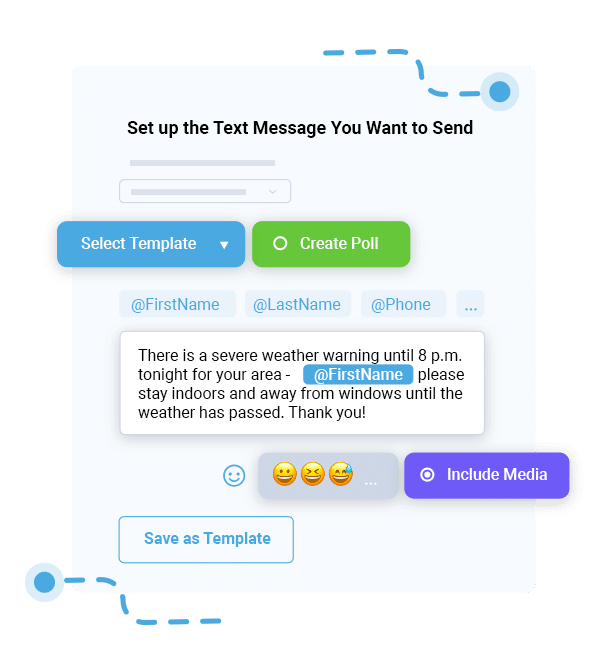
You need a reliable way to reach your congregation instantly. A mass notification system allows you to send mass text alerts and automated voice calls to your entire membership simultaneously. This is critical for distributing safety instructions, building closures, or severe weather alerts.
Step 8: Maintain Updated Contact Lists
Your communication system is only as good as your data. Maintain an accurate contact list with current phone numbers for all members and volunteers. Update this information regularly to ensure that when you send an emergency alert, it actually reaches the people who need it.
Step 9: Conduct Emergency Drills
Drills bridge the gap between theory and reality. Practice your evacuation procedures and emergency response drills at least annually. This preparation ensures that staff, volunteers, and even regular attendees understand what to do when a real emergency occurs.
Step 10: Establish Emergency Communication Templates
Don’t waste time drafting messages while an emergency is unfolding. Prepare pre-written communication templates for common scenarios like severe weather, safety alerts, or service cancellations. These templates ensure your messaging is fast, calm, and consistent.
Why Timely Communication Matters During Church Emergencies
Communication is the bridge between a crisis and a controlled response. When an emergency occurs, your congregation looks to leadership for guidance.
Structured communication allows you to:
Provide immediate safety instructions to guide evacuations or lockdowns.
Share critical updates regarding service cancellations or building closures.
Coordinate the response so volunteers know exactly what to do.
Using automated alerts – like mass texting and voice calls – delivers these messages to the palm of every member’s hand instantly, reducing uncertainty and keeping your community safe.
Preparation improves safety, structured procedures reduce confusion, and effective communication ensures your congregation receives timely, life-saving updates. By implementing these clear safety workflows, your church can respond more effectively to any challenge and continue to be a place of refuge and peace.
Frequently Asked Questions
What is a church emergency preparedness system?
A church emergency preparedness system is a structured framework that helps church leaders prepare for emergencies, coordinate safety procedures, and communicate with congregation members during crisis situations.
Why is communication important during church emergencies?
Communication ensures congregation members receive clear safety instructions and updates during emergencies, helping reduce confusion and improve response coordination.
How should churches notify members during emergencies?
Churches should use emergency communication systems that send mass text alerts, automated voice calls, or email notifications to quickly reach the congregation.
What emergencies should churches prepare for?
Churches should prepare for a variety of scenarios, including severe weather, medical incidents, fires, and security threats.
How often should churches conduct emergency drills?
Emergency drills should be conducted regularly – at least annually – to ensure staff and volunteers fully understand evacuation procedures and emergency response plans.
Ryan Betancur is an Emergency Management Planner at Hagerty Consulting and a proud US Army veteran. Drawing on years of experience, he specializes in healthcare and critical infrastructure emergency management, strategic planning, and business continuity. Ryan has been on the front lines managing COVID-19 responses in New Jersey and Illinois and supporting NYC's Migrant Crisis response. He holds a master's degree in Homeland Security and Emergency Management and multiple certifications in emergency preparedness.
“I am a youth minister and have spent hours in the past calling students individually to remind them of an upcoming event or to get out an urgent announcement. With DialMyCalls.com, I cut that time down to about 1 minute. I also love how I can see exactly who answered live and how long they listened so I know if they heard the whole message. DialMyCalls.com is the best website I have stumbled upon all year! Thanks!”
Real Results, Real ReviewsOver 40,000 customers trust our platform – and it shows.
4.3
502 Reviews
4.7
836 Reviews
Author
Ryan BetancurEmergency Management Planner
Ryan Betancur is an Emergency Management Planner at Hagerty Consulting and a proud US Army veteran. Drawing on years of experience, he specializes in healthcare and critical infrastructure emergency management, strategic planning, and business continuity. Ryan has been on the front lines managing COVID-19 responses in New Jersey and Illinois and supporting NYC's Migrant Crisis response. He holds a master's degree in Homeland Security and Emergency Management and multiple certifications in emergency preparedness.
“I am a youth minister and have spent hours in the past calling students individually to remind them of an upcoming event or to get out an urgent announcement. With DialMyCalls.com, I cut that time down to about 1 minute. I also love how I can see exactly who answered live and how long they listened so I know if they heard the whole message. DialMyCalls.com is the best website I have stumbled upon all year! Thanks!”
Fill out the form below to get a fast custom pricing quote specific for your
organization.Want to speak to our sales team now? Call us at
1-800-928-2086
Thank you!
A representative will be reaching out to you soon.
For immediate help you can call us on
800-928-2086.
Try Out DialMyCalls Now?
Enter a new password and click create account and you'll be able to send 25 test messages now.
Send A Sample Broadcast
We'll send a sample call or text to your phone right now. Remember when you use DialMyCalls you can record your message in your own voice. When the phone rings just pick up and say "Hello" to hear the message.
Communication ensures congregation members receive clear safety instructions and updates during emergencies, helping reduce confusion and improve response coordination.
How should churches notify members during emergencies?
Churches should use emergency communication systems that send mass text alerts, automated voice calls, or email notifications to quickly reach the congregation.
What emergencies should churches prepare for?
Churches should prepare for a variety of scenarios, including severe weather, medical incidents, fires, and security threats.
How often should churches conduct emergency drills?
Emergency drills should be conducted regularly - at least annually - to ensure staff and volunteers fully understand evacuation procedures and emergency response plans.