What’s the single most important measurement that tells you how satisfied your tenants are? You could point to increasing rents or tenants referring friends and family members. Both of those are good indicators, but the real measure here is the overall tenant experience.
Remember, your occupancy, renewal rates, and even your property’s reputation are shaped by how tenants experience your communication, responsiveness, and follow-through.
The same report by AppFolio found that tenants satisfied with maintenance services were 71% more likely to renew.
Zego reported that satisfied tenants are overall more likely to stay in their current property, saving owners between $3,850 and $4,000 in turnover costs.
Reputation’s property management report notes that 55% of renters expect a response to a concern/question within 2 hours, but many managers take multiple days to respond.
Of course, the biggest challenge for landlords and property managers is getting an accurate assessment of the overall tenant experience. That’s where feedback comes in.
Tenant feedback for property managers is one of the clearest windows into their experience. It tells you what’s working and what’s not and shows you exactly where each tenant feels that your team is falling short.
Feedback can also help you understand tenant churn. Most tenants don’t wake up one day and decide to leave for no reason. More often, a less-than-stellar tenant experience creates a building sense of dissatisfaction.
The most common cause of tenant frustrations? Communication problems with your management team.
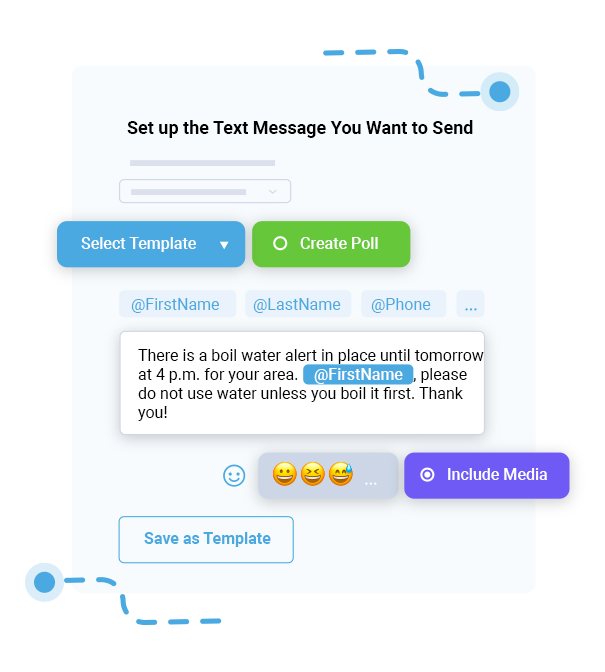
The good news is that technology has changed how you can collect and use tenant feedback. Today, you’re not limited to annual surveys or in-person conversations. SMS communication, online surveys, and two-way texting make it easier to reach tenants, while automated call-in hotlines and anonymous feedback options also give tenants safe ways to speak up.
Tenant feedback has always been useful in property management, but today it plays a more central role. If you’re not collecting and acting on feedback consistently, you’re likely missing early warning signs and improvement opportunities.
Here’s why tenant feedback now carries more weight than it did even a few years ago.
Rising Tenant Expectations
Tenants increasingly compare their living or working experience to the service they receive from other industries. They’re used to:
Real-time delivery updates
Instant confirmations
Easy digital communication
Quick problem resolution
That mindset carries into how they view property management communication. When they send in maintenance requests, ask questions, or raise concerns, they expect your team to 1) acknowledge them and 2) be clear about what comes next.
If your team isn’t communicating that way, your tenants are getting more and more frustrated. For example, a three-day repair might be acceptable if the timeline is explained upfront, but that same timeline can be unacceptable if the tenant hears nothing for three days.
Regular tenant feedback helps you understand their expectations and where you’re not living up to them. It shows you whether tenants feel informed, ignored, or somewhere in between, so you can adjust before dissatisfaction affects tenant satisfaction and retention.
Online Reviews and Reputation Risk
Once upon a time, your reputation was based mostly on word of mouth. Today, things are a little more complex. Your reputation’s shaped by online reviews, ratings, and how your property is shown in local search results. Prospective tenants go through multiple reviews before they ever contact your office.
A few negative comments won’t necessarily hurt you. However, multiple negative comments that all cite the same type of problems will. Repeated mentions of poor communication, unresolved issues, or slow responses definitely influence decisions.
If you have a way to get feedback from your tenants, you can take care of those issues before they get to the point that tenants will mention them in reviews.
Competitive Rental Markets
Tenants have more options than they used to. New developments, renovated units, and flexible lease models give renters a world of choices, and when pricing and amenities are similar, experience becomes a deciding factor.
Two properties with comparable rents can perform very differently if one is known for responsive communication and the other isn’t. Tenants remember how they’re treated when they submit maintenance requests, ask questions, or raise concerns.
Tenant feedback for property managers helps you see your property from the tenant’s perspective. That information is especially valuable when you’re competing for renewals.
Improving tenant satisfaction isn’t just about adding amenities, though. Most tenants value “transparency” and “open communication” more than things like high-tech amenities, and these are areas that feedback can directly inform.
Increased Need for Proactive Communication
Reactive management waits for complaints. Proactive management looks for signs before problems escalate.
Most tenant frustrations start small:
A recurring parking issue
Confusion about policies
A maintenance request that takes longer than it should
Noise concerns that aren’t clearly addressed
If tenants don’t have an easy way to share feedback, these issues may fly under the radar and, by the time you hear about them, the tenant may already be considering moving out.
When you actively collect feedback through online surveys, two-way texting, or other tenant communication tools, you create structured opportunities for tenants to speak up. This turns feedback into a diagnostic tool, not just a complaint channel.
More Complex Portfolios and Workflows
Many property managers oversee larger portfolios, multiple locations, or mixed-use properties. As that increases, informal communication with tenants at any individual property gets harder to manage.
Without a way to get real feedback, you may rely too heavily on:
Individual staff memory
One-off emails
Casual conversations
That makes it tough to spot patterns across properties. Tenant feedback systems give you documentation that you and your teams can refer to so you can compare performance.
For example, if one property gets repeated feedback about slow maintenance while others don’t, you can investigate staffing, vendor performance, or process differences. However, it’s hard to achieve that without a real way to get feedback in the first place.
Data-Driven Decision Making
Owners and asset managers increasingly expect data-backed decisions. Tenant feedback gives you both qualitative and quantitative data to help with:
Budget requests
Staffing changes
Vendor evaluations
Capital improvement plans
If you can show that a large percentage of tenants mention lighting, security, or communication concerns, it’s easier to justify investments. Over time, this data also helps you measure whether changes actually improve tenant satisfaction and tenant retention.
7 Practical Ways Property Managers Can Collect Tenant Feedback
Knowing how to collect tenant feedback is just as important as deciding to collect it. If your process is inconvenient/complex, unclear, or inconsistent, participation drops and your data becomes less useful.
Automated Call-In or Complaint Lines
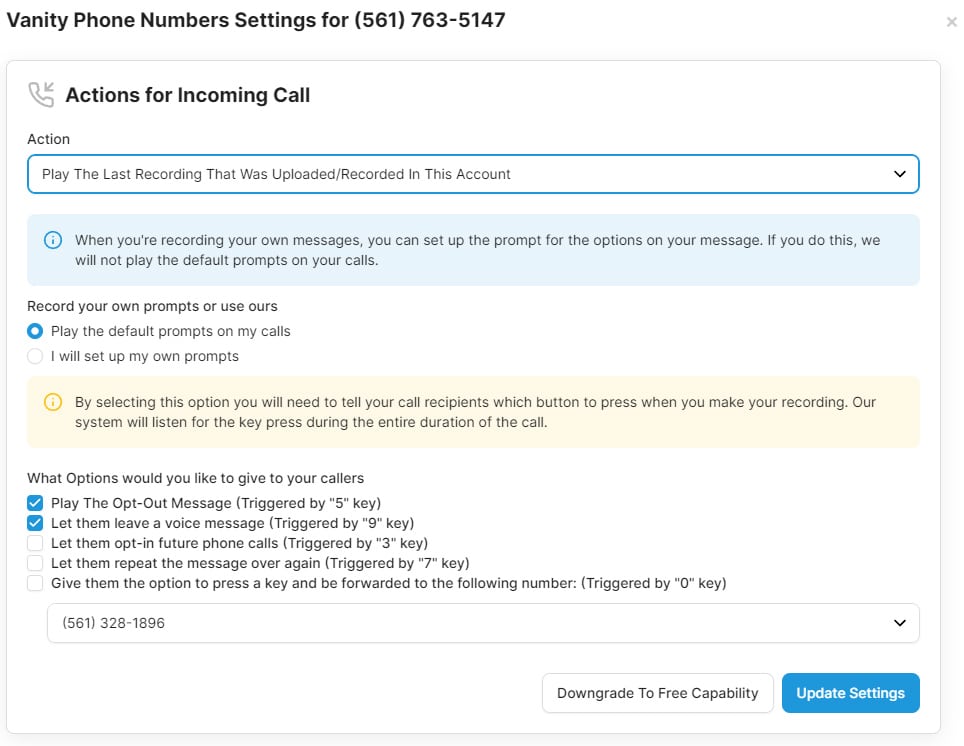
Automated call-in hotlines give tenants a dedicated channel to report concerns or share feedback at any time. Instead of relying on office hours or catching staff in person, tenants can call when the issue actually happens.
Why this works:
Complaints are captured close to when they happen.
Tenants don’t have to wait for business hours.
Calls can be logged and categorized for tracking.
Feedback isn’t limited to what staff remember to pass along.
Anonymous Reporting
Anonymous feedback is one of the most underused tools in property management communication, which is a shame, because it can have some pretty profound benefits. Some tenants hesitate to share negative experiences because they worry about:
Conflict with neighbors
Being labeled as “difficult” by staff
Retaliation by staff
Implications for their leases
Benefits of anonymous feedback:
Encourages more honest responses
Raises sensitive issues earlier
Reduces the pressure to “go along to get along”
Captures feedback from more tenants
SMS-Based Feedback Requests
Want to reach your tenants where they are? Send them a text. SMS is one of the highest-response tenant communication tools out there. Most people read texts almost immediately and can reply with minimal effort.
Compared to email, text messages:
Get opened sooner
Are more direct and less formal
Require less time to answer
Use them for:
After maintenance requests are completed
After move-in or renewal
Following community events
Quick satisfaction check-ins
Examples:
“Was your maintenance issue resolved? Reply YES or NO.”
Need more detailed information from your tenants? Online surveys help you get a broader picture by letting you ask structured questions and then compare results over time.
Use online surveys for:
Quarterly or biannual satisfaction surveys
Pre-renewal check-ins
Post-renovation feedback
Community-wide assessments
Online surveys help you:
Track how tenant satisfaction changes over time.
Compare properties or time periods.
Identify recurring themes/trends
Of course, not all surveys perform well. To make sure as many tenants complete yours as possible:
Limit length (stick to no more than 5 to 10 minutes)
Use clear, simple questions
Mix rating scales with a few open responses
Guarantee Anonymity (When Possible)
Even outside formal anonymous reporting, you should make reporting anonymous when and where it’s possible. Why?
Giving tenants as much anonymity as you can builds trust while also freeing people to leave negative feedback they might not otherwise. It also improves the value and quality of the feedback you get. Remember that negative feedback isn’t necessarily a bad thing, so long as you use it to improve the situation.
Monitor Feedback Trends
Collecting feedback is step one. Analyzing it is the next step, and where you start to see value from it. However, instead of focusing only on individual complaints, look for patterns/trends. Those can include:
Maintenance response time
Cleanliness
Parking availability
Noise concerns
Communication clarity
Safety issues
Tracking trends helps you:
Identify recurring issues that directly affect tenant experience
Tell the difference between one-offs and systemic problems
Allocate resources more effectively
Remember, a single complaint might be a one-time issue. Ten of them mean that there’s a deeper problem.
Create Action Plans from Feedback
Feedback without action is worse than never asking for feedback in the first place. Tenants quickly notice when nothing changes. Use the information that you gather to make real changes.
Examples:
Maintenance SLAs: If tenants report slow repairs, define response-time targets and monitor vendors.
Policy Updates: If tenants don’t understand your rules, simplify the language and reinforce expectations during move-in and renewals.
Facility Improvements: Do your tenants have repeated concerns about lighting, access control, or shared spaces? That probably justifies upgrades.
Communicate Changes Back to Tenants
Closing the feedback loop is one of the most important but overlooked parts of this whole process. Tenants should hear:
What you learned
What you changed
What’s in progress
Examples:
“You shared concerns about hallway lighting. Upgrades begin this month.”
“Several residents mentioned parking confusion. We’ve updated signage and policies.”
Instant Communication, Whenever You Need It
Send Real-Time SMS & Voice Call Alerts from Anywhere
Acting on tenant feedback is important. However, it’s just as important that you act in the right way. The wrong actions could undermine your efforts entirely.
Respond Promptly
Speed matters. Even if you don’t have a full solution yet, acknowledging feedback quickly shows tenants you’re paying attention.
That doesn’t mean every issue must be solved immediately. It means tenants shouldn’t feel ignored.
A simple acknowledgment like, “Thanks for sharing this. We’re reviewing it and will follow up,” can go a long way.
Note that when it comes to time-sensitive issues (like safety or urgent maintenance requests), delayed responses can seriously damage tenant satisfaction. Set a response standard and make sure your team members know and follow it.
Avoid Defensiveness
Negative feedback can feel personal, especially for onsite teams who work hard. However, defensiveness shuts down the entire process and reinforces any negative experience the tenant might have had. Arguing with a tenant doesn’t do any good, even if the complaint isn’t 100% accurate. Instead of getting defensive:
Listen
Ask clarifying questions
Thank the tenant for the input
Treat feedback as more information for your decision-making process
Focus on Patterns, Not Individuals
One complaint doesn’t always mean that you’re dealing with a systemic issue. Ten similar complaints often do. If multiple tenants mention slow repairs on weekends, that’s likely a scheduling or vendor-capacity issue. If complaints cluster around one building, it may be a site-specific problem.
Document Changes
If it’s not documented, it’s hard to measure or even inform tenants when you’ve taken care of the problem that was bothering them.
Keep records of:
Common complaint categories
What you did
Timeline of changes
How it turned out
Communicate Outcomes Clearly
Tenants don’t automatically know you’ve made changes. If you don’t tell them, they may assume nothing happened. Letting them know that you made changes tells them that you value their experience and are willing to listen (and act).
Examples:
“Based on resident feedback, we’ve adjusted maintenance coverage on weekends.”
“You shared concerns about parking clarity. We’ve added new signage and updated guidelines.”
Close the Loop Individually When Appropriate
If feedback isn’t anonymous and a tenant raises a specific concern, follow up when it’s resolved.
A quick message like, “Just letting you know your concern about the hallway lighting has been addressed,” shows accountability.
Set Internal Standards for Feedback Handling
Without clear standards, responses vary by staff member. That leads to inconsistent experiences and dropping the ball.
Your standards should look something like this:
All feedback acknowledged within 24 hours
Urgent issues are escalated immediately
Monthly review of feedback trends
Quarterly reporting to ownership
Train Your Team on Feedback Mindset
Your staff has to know to treat tenant feedback seriously. Make sure everyone knows that it:
Improves operations
Protects retention
Supports better budgeting decisions
Reduces surprise complaints
Balance Quick Wins and Long-Term Fixes
Some feedback can be addressed quickly (signage, clearer emails, process tweaks). Other issues require budget, vendors, or planning.
It’s important to:
Deliver small improvements quickly
Communicate timelines for bigger fixes
Avoid overpromising
Protect Privacy and Professionalism
When you act on feedback, don’t tell anyone who provided it (including internally) unless it’s truly necessary. That helps you maintain tenant trust, encourages people to be honest in the future, and reduces conflict between tenants and your staff.
Measure the Impact of Changes
Feedback should connect to results, so make sure you track whether actions lead to:
Fewer complaints in that category
Higher satisfaction scores
Improved renewal rates
Reduced escalation
How DialMyCalls Helps Property Managers Scale Tenant Feedback
As your portfolio grows, collecting and managing tenant feedback manually becomes harder. Messages come in from different channels, staff members track issues differently, and important insights can get lost.
To improve tenant satisfaction and tenant retention consistently, you need systems—not just good intentions. That’s where structured tenant communication tools make a difference.
DialMyCalls helps you centralize and scale property management communication so feedback becomes organized, trackable, and actionable.
Two-Way SMS Communication
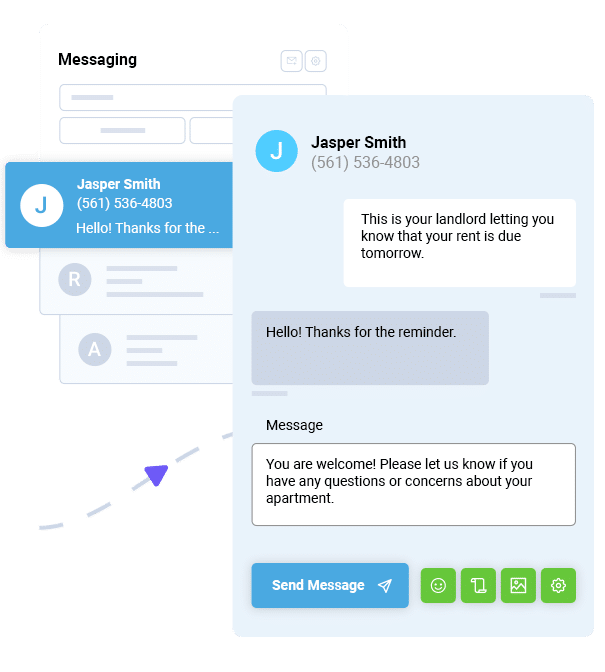
Two-way texting lets you move beyond one-sided announcements and have real conversations with tenants at scale.
You can:
Send quick feedback requests after maintenance requests
Situations where tenants prefer speaking over writing
Broadcast Notifications
Broadcast messaging allows you to communicate quickly with many tenants at once. You can use it to:
Share updates on repairs or outages
Notify residents about policy changes
Announce improvements based on tenant feedback
Send periodic satisfaction check-ins
Local and Dedicated Numbers
Using local or dedicated numbers helps your communication be both professional and recognizable while reducing confusion. Tenants are more likely to engage when they know who the message is from. A consistent number also:
Compliant, Professional Messaging
Property management communication has to meet compliance rules. DialMyCalls helps you maintain consistency in tone and recordkeeping for:
Professional communication standards
Clear audit trails
Better internal coordination
Reduced risk of miscommunication
Get the Feedback You Need to Deliver a Better Tenant Experience
The single most important thing you can do as a property owner/manager is to get feedback from your tenants, and then act on it. It helps you understand their current experience and change things to make that experience more positive. That works out for tenants, but it also benefits your business. Start your free trial with DialMyCalls today or learn more about how we can help you gather tenant feedback.
Property Manager FAQs
Why is tenant feedback important in property management?
Tenant feedback shows you how residents actually experience your property and services, identify problems early, improve communication, and make better decisions.
How can property managers collect honest tenant feedback?
Use SMS, online surveys, automated call-in hotlines, and anonymous feedback options to make it easy on your tenants.
Does SMS improve tenant communication?
Yes, SMS has higher open and response rates than email, and it’s convenient for tenants.
Should tenant feedback be anonymous?
In a lot of cases, yes. It helps your tenants be as honest as possible and share things they might not otherwise.
How does tenant feedback reduce turnover?
When tenants feel heard and see you make improvements based on their feedback, they’re more satisfied. Higher tenant satisfaction is closely tied to stronger tenant retention.
Keep Everyone Connected & Informed
Get the Word Out Quickly with Bulk Texting and Voice Calls
Michel Rondeau is an independent consultant with 20+ years in telecommunications, specializing in leadership, customer experience, and operations enablement. As a DialMyCalls contributor, he shares insights on communication and team development. A Prosci Certified Change Practitioner, he has received multiple industry awards and actively mentors professionals.
“I am a youth minister and have spent hours in the past calling students individually to remind them of an upcoming event or to get out an urgent announcement. With DialMyCalls.com, I cut that time down to about 1 minute. I also love how I can see exactly who answered live and how long they listened so I know if they heard the whole message. DialMyCalls.com is the best website I have stumbled upon all year! Thanks!”
Real Results, Real ReviewsOver 40,000 customers trust our platform – and it shows.
4.3
502 Reviews
4.7
836 Reviews
Author
Michel Rondeau
Michel Rondeau is an independent consultant with 20+ years in telecommunications, specializing in leadership, customer experience, and operations enablement. As a DialMyCalls contributor, he shares insights on communication and team development. A Prosci Certified Change Practitioner, he has received multiple industry awards and actively mentors professionals.
“I am a youth minister and have spent hours in the past calling students individually to remind them of an upcoming event or to get out an urgent announcement. With DialMyCalls.com, I cut that time down to about 1 minute. I also love how I can see exactly who answered live and how long they listened so I know if they heard the whole message. DialMyCalls.com is the best website I have stumbled upon all year! Thanks!”
Fill out the form below to get a fast custom pricing quote specific for your
organization.Want to speak to our sales team now? Call us at
1-800-928-2086
Thank you!
A representative will be reaching out to you soon.
For immediate help you can call us on
800-928-2086.
Try Out DialMyCalls Now?
Enter a new password and click create account and you'll be able to send 25 test messages now.
Send A Sample Broadcast
We'll send a sample call or text to your phone right now. Remember when you use DialMyCalls you can record your message in your own voice. When the phone rings just pick up and say "Hello" to hear the message.