In hospital emergencies, seconds matter. A delayed response to a cardiac arrest can be the difference between life and death. A missed outbreak notification can turn a single infection into a facility-wide crisis. That’s why emergency alert systems are critical to hospital operations.
These emergency notification systems do more than just sound alarms. They orchestrate complex responses across departments, notify the right specialists instantly, and help healthcare teams stay ahead of threats before they escalate.
How Do Hospital Emergency Alerts & Protocols Work?
Hospitals use various emergency codes to communicate different types of crises without causing panic among patients and visitors. While Code Blue gets the most attention, there are several other necessary hospital emergency codes, though most aren’t standardized across the United States.
Let’s walk you through some of the most popular hospital emergency codes in the US.
Code Blue is a hospital emergency alert indicating that an adult patient, visitor, or staff member is experiencing a life-threatening medical emergency, typically cardiac or respiratory arrest. The announcement signals an immediate need for a specialized response team equipped to perform cardiopulmonary resuscitation and advanced life support.
When a Code Blue is called, every second counts. Cleveland Clinic notes that it typically takes the code team 3 to 5 minutes to arrive at the location. Research shows that in cardiac arrest situations, mortality increases up to 10% for each additional minute of delay in defibrillation. This makes the speed and efficiency of the alert system absolutely critical.
The Code Blue team typically consists of senior medical residents, medical interns, anesthesia staff, critical care nurses, and respiratory therapists. Each member has a preassigned role that they’ve trained for extensively.
Other Common Hospital Codes
Some of the other popular hospital emergency codes include:
Code Red
Fire or smoke detected in the facility
Code White
Pediatric medical emergency or combative person (varies by location)
Code Pink/Purple
Missing child or infant abduction
Code Gray
Combative person without a weapon
Code Silver
Active shooter or person with a weapon
Code Orange
Hazardous material spill requiring decontamination
Code Black
Bomb threat or severe weather
The Shift Toward Plain-Language Alerts
Plain-language alert systems replace color-coded terminology with clear, direct descriptions of emergencies. Instead of announcing “Code Red, second floor,” staff hear “Fire, second floor, east wing.” This approach reduces confusion and speeds response times.
How Alerts are Deployed for Outbreaks & Infection Control
Healthcare-associated infections (HAIs) represent one of the most persistent threats in modern medicine. According to the Centers for Disease Control and Prevention, approximately 1 in 31 hospital patients has at least 1 healthcare-associated infection on any given day.
When an outbreak occurs, rapid communication becomes the first line of defense. Alert systems need to instantly notify:
Infection control teams that can implement containment protocols
Clinical staff caring for affected or at-risk patients
Hospital leadership that must coordinate a facility-wide response
Public health authorities, when required by reporting mandates
Patients and families, when necessary for their safety
The COVID-19 pandemic dramatically illustrated the importance of robust outbreak alert systems. Hospitals needed to rapidly identify positive cases, isolate patients, alert exposed staff members, and coordinate with public health agencies, all while managing overwhelming patient volumes.
Integration with Hospital Systems
Modern outbreak alert systems don’t operate in isolation. They integrate with electronic medical records (EMRs), infection control databases, and the National Healthcare Safety Network (NHSN), which tracks HAI data from more than 38,000 healthcare facilities nationwide.
This integration enables automated alerts when specific triggers occur, such as positive lab results for resistant organisms, clusters of infections in particular units, or infection rates exceeding baseline thresholds. The automation eliminates manual reporting delays and ensures that the right people receive alerts immediately.
Instant Communication, Whenever You Need It
Send Real-Time SMS & Voice Call Alerts from Anywhere
What other patient safety alert systems exist beyond the popular codes like Code Blue? Let’s find out.
Medical Emergency Team (MET) Call
A MET call is an early warning system that activates a specialized team before a patient deteriorates to full cardiac arrest. These calls use vital sign monitoring and early warning scores to identify patients at risk.
Research shows that hospital patients often display abnormal physiological signs hours before experiencing cardiac arrest. By catching these warning signs early, hospitals can prevent many Code Blue alerts entirely.
A study published in the Journal of Intensive Care found that implementing an automated MET alert system significantly shortened the time from patient deterioration to team activation.
The automated system calculated Modified Early Warning Scores (MEWS) and triggered alerts when scores reached dangerous levels, thereby improving clinical outcomes and reducing mortality.
Fall Prevention and Hazard Alerts
Patient falls represent another primary safety concern. Alert systems can notify staff when high-risk patients attempt to leave their beds, when bed alarms are triggered, or when patients wander beyond designated safe zones. Real-time location systems integrated with alert platforms enable rapid staff response before falls occur.
Security Breaches and Violent Incidents
Hospital staff face increasing threats from workplace violence. Emergency texting systems can alert security teams and nearby staff when panic buttons are pressed, providing GPS coordinates and enabling the fastest possible response to protect healthcare workers and patients.
How Hospitals Use Mass Notification & Digital Alert Systems
Modern digital alert platforms have transformed hospital communication by enabling multi-channel notifications that reach staff wherever they are, on whatever device they’re using.
Mass Multi-Channel Alert Delivery
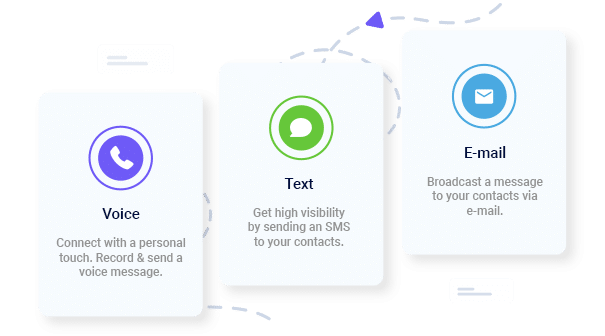
A mass notification system is a platform that simultaneously delivers emergency alerts across multiple communication channels, including voice calls, SMS text messages, email, mobile app push notifications, desktop alerts, and digital signage. This ensures critical information reaches all necessary recipients.
The key is redundancy. By sending alerts through multiple channels simultaneously, hospitals ensure that messages reach recipients even if one channel fails.
Leading Vendor Systems
Several specialized vendors provide hospital alert systems, each with unique capabilities:
Alertus – Offers centralized alerting that unifies various communication devices into a single platform. Their system emphasizes targeted alerts that reach specific staff groups without alarming patients.
Lynx – Focuses on clinical communication and workflow integration, connecting alert systems directly with nurse call systems and electronic health records.
F24 – Provides enterprise-wide emergency management solutions with emphasis on automated escalation and international reach for healthcare systems operating across multiple countries.
However, many hospitals are discovering that flexible, easy-to-deploy solutions like DialMyCalls’ emergency notification system offer the same multi-channel reach without the complexity and cost of specialized healthcare platforms.
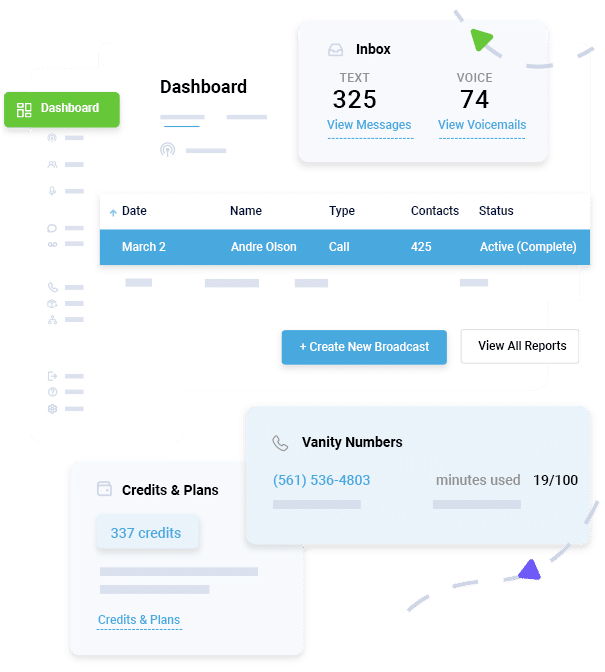
DialMyCalls enables hospitals to send voice, SMS, and email alerts instantly through an intuitive interface or automated API integration. Try it for free today!
Alert Cascade Design and Escalation Logic
Not every alert needs to go to every staff member. Smart alert systems use escalation logic to determine:
Who receives the initial alert (first responders, code team, infection control)
What additional groups receive alerts if the situation escalates
How long to wait before escalating to the next level
When to notify hospital administration and external agencies
For example, a MET call might initially alert the rapid response team and the patient’s attending physician. If the patient continues to deteriorate, the system escalates to call a full Code Blue and notify additional specialists. This tiered approach ensures an appropriate response without overwhelming staff.
Explore Emergency Notification Solutions: Implementation, Best Practices & Challenges
How do you ensure hospital emergency alert systems work to their full potential? Here are some top tips for implementation, best practices, and tackling challenges.
Establishing Roles, Protocols, and Redundancies
Before implementing any alert system, hospitals need clear protocols that answer fundamental questions: Who has the authority to trigger alerts? What exactly constitutes each type of emergency? Who responds to each alert type? Where do responders go?
The best alert systems include redundancy at every level. This means backup communication channels, alternate power sources, and clearly defined backup personnel who can respond when primary team members are unavailable.
Hospitals should map out communication pathways and identify potential failure points before emergencies occur.
Testing, Drills, and Rehearsals
Alert systems that work perfectly in theory can fail spectacularly in practice if staff aren’t adequately trained. Regular drills serve multiple purposes:
Verify that alert systems function correctly across all channels:
Ensure staff know their roles and can execute them under pressure
Identify gaps in coverage or communication breakdowns
Build muscle memory so responses become automatic during real emergencies
Test response times and identify opportunities for improvement
Drills should simulate realistic scenarios, including system failures and worst-case situations. Some hospitals conduct surprise drills to test actual readiness rather than scripted responses.
Ensuring HIPAA Compliance and Privacy
Hospital alert systems must navigate complex privacy requirements. While alerts need to be specific enough to enable proper response, they can’t include protected health information (PHI) that would violate HIPAA regulations.
Compliant alert systems carefully balance specificity with privacy by:
Using room numbers or location codes rather than patient names
Limiting detailed patient information to secure channels accessible only by authorized personnel
Encrypting all transmitted data and maintaining audit logs
Implementing role-based access controls so staff only receive alerts relevant to their responsibilities
Here’s the paradox: the more alert-capable your system becomes, the greater the risk of alert fatigue. When staff receive too many notifications, especially false alarms or low-priority alerts, they begin to ignore or disable notifications entirely, undermining the system’s effectiveness.
Strategies to prevent alert fatigue include:
Setting appropriate thresholds for automated alerts to minimize false positives
Allowing staff to customize alert preferences within defined parameters
Regularly reviewing alert logs to identify and eliminate unnecessary notifications
Using silent or visual alerts for non-urgent information
Implementing acknowledgment requirements only for truly critical alerts
Research on automated MET systems showed that because alerts were carefully designed in collaboration with operational staff and triggered relatively infrequently (fewer than five per day on average), alert fatigue remained minimal despite the system’s critical nature.
What is the Future of Hospital Emergency Communication?
Hospital emergency alerts have evolved far beyond simple overhead announcements. Today’s systems include sophisticated digital platforms that can reach the right people instantly, through the proper channels, with the correct information.
As hospitals continue to face evolving challenges, the importance of robust, reliable emergency alert systems will only grow. Investing in modern alert capabilities isn’t just about technology. It’s about protecting the lives of patients and staff when every second counts.
Looking to upgrade your hospital’s emergency communication capabilities? DialMyCalls offers healthcare facilities a powerful, easy-to-deploy solution for multi-channel emergency alerts. With options for weather alerts, instant SMS messaging, voice calls, and email notifications, DialMyCalls ensures your critical messages reach staff members wherever they are.
Join healthcare facilities nationwide that trust DialMyCalls for fast, reliable emergency notifications. Start Your Free Trial Today!
Emergency Alerts Frequently Asked Questions
What triggers a Code Blue?
A Code Blue is triggered when a patient, visitor, or staff member experiences cardiac arrest, respiratory arrest, or another life-threatening medical emergency requiring immediate resuscitation.
How fast should alerts be delivered?
Emergency alerts should reach initial responders within seconds, ideally within 30 seconds of activation. Modern digital alert systems can deliver multi-channel notifications (SMS, voice, email) to hundreds of staff members in under 10 seconds.
Can alert systems work offline or during power outages?
Robust hospital alert systems include redundancy for power and network failures. Cloud-based systems like DialMyCalls continue to function during local outages because they run on external infrastructure.
Are hospital alert systems HIPAA-compliant?
Reputable hospital alert systems are designed to be HIPAA-compliant, but compliance depends on proper configuration and use. Systems must encrypt transmitted data, maintain audit logs, and restrict alerts containing protected health information (PHI) to authorized personnel only.
How do hospitals maintain staff training for emergency codes?
Hospitals maintain staff readiness through multiple approaches: mandatory annual training sessions covering all emergency codes; regular drills simulating real scenarios (often unannounced to test the actual response); quick-reference cards or digital resources staff can access instantly; onboarding programs for new employees; and ongoing assessment through skills testing.
Ryan Betancur is an Emergency Management Planner at Hagerty Consulting and a proud US Army veteran. Drawing on years of experience, he specializes in healthcare and critical infrastructure emergency management, strategic planning, and business continuity. Ryan has been on the front lines managing COVID-19 responses in New Jersey and Illinois and supporting NYC's Migrant Crisis response. He holds a master's degree in Homeland Security and Emergency Management and multiple certifications in emergency preparedness.
“I am a youth minister and have spent hours in the past calling students individually to remind them of an upcoming event or to get out an urgent announcement. With DialMyCalls.com, I cut that time down to about 1 minute. I also love how I can see exactly who answered live and how long they listened so I know if they heard the whole message. DialMyCalls.com is the best website I have stumbled upon all year! Thanks!”
Real Results, Real ReviewsOver 40,000 customers trust our platform – and it shows.
4.3
502 Reviews
4.7
836 Reviews
Author
Ryan BetancurEmergency Management Planner
Ryan Betancur is an Emergency Management Planner at Hagerty Consulting and a proud US Army veteran. Drawing on years of experience, he specializes in healthcare and critical infrastructure emergency management, strategic planning, and business continuity. Ryan has been on the front lines managing COVID-19 responses in New Jersey and Illinois and supporting NYC's Migrant Crisis response. He holds a master's degree in Homeland Security and Emergency Management and multiple certifications in emergency preparedness.
“I am a youth minister and have spent hours in the past calling students individually to remind them of an upcoming event or to get out an urgent announcement. With DialMyCalls.com, I cut that time down to about 1 minute. I also love how I can see exactly who answered live and how long they listened so I know if they heard the whole message. DialMyCalls.com is the best website I have stumbled upon all year! Thanks!”
Fill out the form below to get a fast custom pricing quote specific for your
organization.Want to speak to our sales team now? Call us at
1-800-928-2086
Thank you!
A representative will be reaching out to you soon.
For immediate help you can call us on
800-928-2086.
Try Out DialMyCalls Now?
Enter a new password and click create account and you'll be able to send 25 test messages now.
Send A Sample Broadcast
We'll send a sample call or text to your phone right now. Remember when you use DialMyCalls you can record your message in your own voice. When the phone rings just pick up and say "Hello" to hear the message.