10 Road Closure Text Message Templates That Keep Communities Informed
A commuter turns onto their usual route and sees flashing signs and barricades blocking the road ahead. There was no advance notice, no posted detour, and no clear direction on where to go next. By rush hour, traffic has spread well beyond the closure zone.
Most people can handle a road closure if they know about it ahead of time. But the real problem starts when drivers discover it unexpectedly halfway through their commute. This is why road closure text messages matter. When road closures are poorly communicated, it can lead to avoidable traffic congestion and prevent municipal staff from getting overwhelmed with complaints.
But when communities receive a direct SMS alert before leaving home, they have time to adjust routes and avoid delays. Below, you’ll find 10 ready-to-use road closure SMS templates along with communication strategies that help local governments, contractors, schools, and event organizers keep communities informed.
Mass Texting, Made Easy
Send Bulk Text Message Campaigns in Seconds
Why Text Messages Beat Signs and Social Media for Road Closures
When a major roadway shuts down, traditional communication channels usually lag behind. Drivers only see road signs when they approach construction projects, which mean that they are likely already stuck in gridlock.
Social media is not much better. Updates are entirely at the mercy of platform algorithms. A vital update about a neighborhood detour route can easily get buried in a resident’s feed, only reaching a tiny fraction of its intended audience hours after the roadblock has been cleared.
Mobile messaging changes the equation from reactive damage control to proactive traffic management. Road closure text messages reach residents before they head out for their daily commute. They achieve faster public awareness than road signs or social media due to instant SMS delivery and 98% open rates. Because a text message lands directly on a personal device, residents actually see the community notification before they ever back out of their driveways.
This advance notice changes behaviour. A commuter who receives a text the night before can either leave earlier, choose alternate routes, or avoid the affected area entirely. And when residents already know what is happening, public works departments spend less time answering angry calls about unexpected road closures.
Targeted SMS delivery also prevents alert fatigue. Instead of blasting the entire city, municipal communication teams can send road closure notification texts only to the neighborhoods, commuters, or school zones directly affected by the disruption.
10 Road Closure Text Message Templates
Road closure text messages work best when they are specific. Residents need to know the affected road, closure timeframe, reason for the closure, and clear detour routes in one quick message. That is why we have created the following templates below. They are crafted to deliver exactly that without lengthy characters or creating confusion. Simply copy, customize with your data, and start sending.
Planned Construction Closure (Advance Notice)
Public works departments typically send this message 24 to 48 hours before scheduled construction projects begin to give drivers time to re-route their morning commutes.
Emergency / Unplanned Road Closure
This template is designed for immediate broadcast during sudden accidents, water main breaks, or downed power lines where immediate traffic redirection is required.
Multi-Day / Long-Term Closure Start
Long-term construction projects need clear timelines from the beginning. This message helps residents and businesses prepare for extended traffic changes.
Closure Extension / Delay Update
When unexpected weather conditions or supply issues stall a project, this message helps maintain local government transparency by acknowledging the delay directly.
Event-Related Closure (Parade, Festival, Race)
Event road closures often affect residents who are not attending the event itself. This message gives advance notice so commuters and businesses can plan around temporary disruptions.
Overnight / Off-Peak Closure
Overnight closures still affect delivery drivers, shift workers, and emergency access routes. Send this message in the afternoon before the closure window begins.
Partial Closure / Lane Restriction
Not every traffic disruption will require a full shutdown. These road closure notification texts help drivers prepare for slower traffic flow and temporary delays.
School Zone / Near-School Closure
School districts and city traffic teams deploy this template directly to parents to prevent severe traffic jams during morning drop-off and afternoon pick-up hours.
Road Reopened Confirmation
Always close the communication loop. Sending an “all-clear” message after the barricades come down is great for letting the community know that normal traffic flow has resumed. Without it, many residents assume the closure is still active and continue avoiding the area unnecessarily.
Weekly / Phase Update for Ongoing Projects
PROJECT UPDATE: Work continues [ROAD NAME] through [DATE]. Current detour: [ROUTE]. Phase completion expected [DATE].
For multi-phase construction developments, this recurring status alert keeps the neighborhood informed of changing detour routes and overall project milestones.
Maximize Outreach, Save Time
Start Transforming Your Communication with Mass Texting
Best Practices for Road Closure Text Messages
Sending out alerts during road closures is great, but how you manage your messaging strategy often determines how smoothly the traffic flows. Here are some execution guidelines you can follow to maximize the impact of your text messages.
First, timing is everything. Always send out planned construction or maintenance alerts at least 24 to 48 hours in advance. This advance notice gives commuters plenty of time to adjust their morning travel routines before they ever back out of their driveways.
Next, clarity prevents chaos. You should always include a specific detour route in your message instead of simply writing “seek alternate routes.” Vague notifications can create more confusion than no message at all once congestion builds around teh closure area. A clear detour will prevent drivers from guessing at major intersections.
To ensure that people read your text and get the information, try to keep the layout under 160 characters. This is important because shorter road closure notification texts are easier to read quickly at a stoplight or before leaving home, and they avoid splitting into multiple SMS segments that can delay or reorder delivery.
Segment alerts by neighborhood, commuter corridor, or school zone so only affected residents receive the message. Smart audience segmentation also plays a major role in keeping opt-out rates low. Municipal communication works best when alerts feel relevant. If people receive too many unrelated notifications, they eventually stop paying attention altogether.
For multi-week infrastructure projects, consistent municipal communication is key. Send out a brief weekly status update to your subscribers, even if nothing has changed with the project timeline. Total silence makes the public assume a project is forgotten or stalled, which quickly erodes public trust.
Always send a road reopened confirmation once work is complete. That final update closes the loop and prevents commuters from continuing to avoid roads that are already accessible.
Finally, never overlook regulatory rules. Standard TCPA compliance frameworks dictate that planned road closures are not legal emergencies. Because of this, your non-emergency campaigns require standard subscriber opt-in consent and visible opt-out language, like “Reply STOP to cancel.”
Send Road Closure Alerts with DialMyCalls
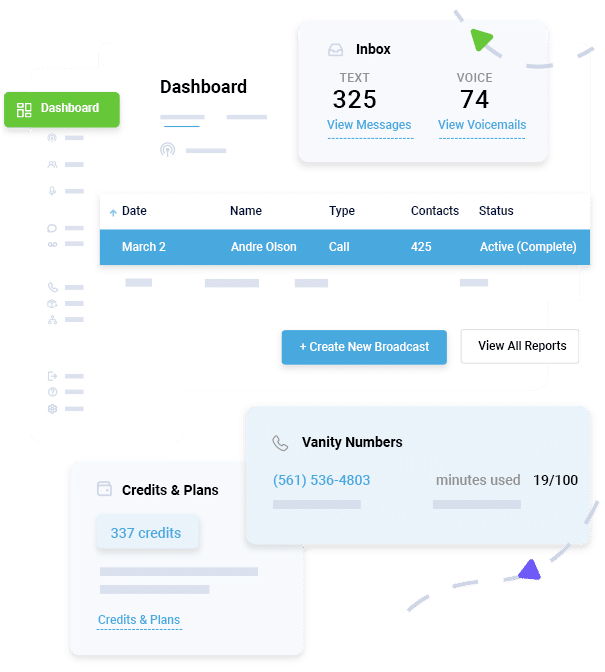
When a busy road shuts down, and you need to alert people, only a dependable communication system can guarantee a seamless process. DialMyCalls helps municipalities, school districts, HOAs, and public works departments quickly and clearly send road-closure text messages during planned projects and emergency disruptions.

It has geo-targeted contact groups that teams can use to alert only affected neighborhoods instead of the entire community. You can also save templates to speed up response times or schedule messages to deliver advance notice automatically.
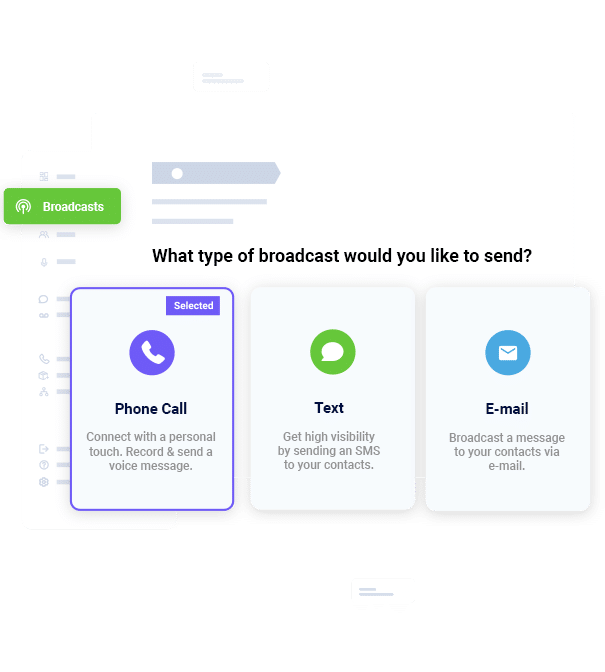
You can also send voice broadcasts as a backup for elderly residents and track delivery reports for documentation and accountability. Get started with a free trial and keep your community informed before traffic problems begin.
Conclusion
Road closure text messages are one of the fastest and most effective ways to keep communities informed before traffic problems spiral into larger disruptions. This collection of 10 templates covers every scenario from planned construction to emergency shutdowns to reopening confirmations, so that your team can maintain total transparency during closures. Save these templates, customize them for your community, and set up your road closure notification system with DialMyCalls before the next closure catches drivers off guard.
FAQs
How far in advance should I send a road closure text?
For scheduled infrastructure projects, you should send out your initial text notification 24 to 48 hours before the barriers go up. For sudden, emergency road closures caused by accidents or line breaks, messages must be broadcast instantly to redirect traffic away from the hazard.
What information should every road closure text include?
Every road closure text message should include the affected road, nearby cross streets, closure dates and times, the reason for the closure, and clear detour routes.
How often should I send updates for long-term road closures?
For multi-week or multi-month projects, aim to send a recurring update once a week. This consistent communication keeps local drivers informed of shifting project phases and reassures the neighborhood that work is progressing on schedule.
Do I need consent to send road closure text notifications?
Emergency road closures may fall under public safety communication exceptions, but planned closures typically still require TCPA compliance considerations. Senders must secure proper opt-in consent from residents beforehand and always include automated opt-out instructions within non-emergency text threads.
Should I send road closure texts to the entire city or just affected areas?
Only send alerts to the neighborhoods or commuter groups directly affected by the closure whenever possible. Targeted notifications reduce unnecessary messages and make residents more likely to pay attention to future alerts.
How do I build a contact list for road closure notifications?
Promote a custom text-to-join keyword on your organization’s website, local utility bills, and physical roadside signs. Offering residents a simple opt-in process helps grow your notification list over time.
Reach Thousands, Instantly
Grow Your Business by Leveraging Mass Texting