Why Shared Short Codes Were Eliminated and What Businesses Should Use Instead
Shared short codes used to be common in business texting. One five or six-digit number shared by multiple brands, each using different keywords. They were low-cost and easy to set up.
For years, this system worked. But it also created a massive problem for carriers and consumers alike. Spam, phishing, and untraceable senders flooded inboxes, and legitimate businesses suffered when entire short codes were blocked due to one bad actor.
As a result, US carriers eliminated shared short codes entirely. And not through a gradual phase-out. It was a hard stop driven by carrier compliance rules and industry enforcement.
Today, businesses are required to use registered, accountable messaging routes to send application-to-person texts reliably.
Here, we’ll look at why shared short codes were eliminated, how they hurt deliverability, and what businesses should use instead.
Mass Texting, Made Easy
Send Bulk Text Message Campaigns in Seconds
What Are Shared Short Codes?
A shared short code was a single texting number that multiple businesses used at the same time. Each business simply relied on unique keywords to route messages to the correct sender.
For example, a single phone line could handle:
- Customer texts “SALE” and it goes to Brand A
- Customer texts “JOIN” and it goes to Brand B
- Customer texts “ALERT” and it goes to Brand C
Even though the message went to different companies, every text would come from the same number on the customer’s phone.
Shared short codes became popular because they were:
- Much cheaper than dedicated short codes
- Easy to deploy
- Supported by most carriers without heavy registration
Platforms handled keyword routing behind the scenes, making shared short codes accessible to smaller senders without large budgets.
One challenge, however, was accountability. Carriers couldn’t easily tell which business was responsible for spam or abuse.
Why Shared Short Codes Were Eliminated
The elimination of shared short codes was a carrier-led decision across the US messaging ecosystem.
Major carriers, including AT&T, T-Mobile, and Verizon, followed guidance from the Cellular Telecommunications Industry Association (CTIA) to enforce stricter sender accountability.
The core reasons were clear.
- Spam and phishing abuse: Shared short codes became a favorite tool for spammers. Low cost and anonymity made them easy to exploit. Phishing campaigns, fake alerts, and fraudulent promotions surged.
- No sender accountability: When multiple brands shared one number, carriers couldn’t quickly identify which sender caused abuse. Enforcement became slow and imprecise.
- Carrier-level blocking: Carriers responded by blocking entire short codes instead of individual senders. Legitimate businesses lost message delivery overnight without warning.
- Rising consumer complaints: Spam complaints directly impact carrier trust scores. Shared short codes consistently generated high volumes of complaints.
The result was a simple decision. Shared short codes were no longer allowed in the US.
How Shared Short Codes Hurt Deliverability and Trust
Because multiple businesses shared the same number, compliant senders could be affected by the actions of others.
One abusive sender could trigger:
- Full carrier blocking of the short code
- Delayed or dropped messages
- Silent filtering with no error reports
From the consumer perspective, trust and confidence were tarnished. When a number sent mixed messages from unrelated brands, recipients assumed it was spam.
Even businesses following opt-in rules weren’t immune to delivery issues, and carriers eventually needed a better system.
Maximize Outreach, Save Time
Start Transforming Your Communication with Mass Texting
What Replaced Shared Short Codes?
Short codes were phased out in favor of messaging systems with built-in accountability features.
10DLC Messaging
10DLC stands for 10-digit long code messaging. It uses standard local phone numbers for business texting.
Under the current system, businesses must register their brand and messaging campaigns for Application-to-Person (A2P) messaging through the 10DLC framework.
Key benefits:
- Clear sender identity
- Campaign-level approval
- Improved throughput compared to legacy long codes
- Strong carrier trust
10DLC works well for marketing, notifications, and two-way customer communication.
Toll-Free SMS Messaging
Toll-free SMS uses toll-free numbers like 800 or 888 for texting.
These numbers must be verified and approved before sending messages. Once approved, toll-free SMS offers:
- High deliverability
- Strong spam filtering protection
- Nationwide reach
- Familiar branding for alerts and notifications
Toll-free SMS is ideal for account alerts, reminders, and transactional messaging.
Dedicated Short Codes
Dedicated short codes still exist and remain the highest-throughput option.
They make sense for:
- National brands
- High-volume marketing campaigns
- Time-sensitive broadcasts
The trade-off is cost and approval time. Dedicated short codes are expensive and require carrier provisioning.
Shared Short Codes vs Modern Alternatives
| Feature | Shared Short Codes | 10DLC | Toll-Free SMS | Dedicated Short Codes |
|---|---|---|---|---|
| Cost | Low | Low to moderate | Moderate | High |
| Approval Process | Minimal | Brand and campaign registration | Verification required | Full carrier approval |
| Deliverability | Poor and unstable | High | Very high | Highest |
| Compliance | Not allowed | Required | Required | Required |
| Best Use Cases | None (eliminated) | Marketing and two-way messaging | Alerts and notifications | Large-scale campaigns |
What Businesses Should Use Today
Choosing the right option depends on message volume and use case.
- Use 10DLC for marketing, promotions, and customer engagement.
- Use toll-free SMS for alerts, reminders, and transactional messages.
- Use dedicated short codes only if scale and budget justify it.
What matters most is compliance. Unregistered messaging now results in filtering, blocking, or permanent carrier bans.
How DialMyCalls Supports Compliant SMS Messaging
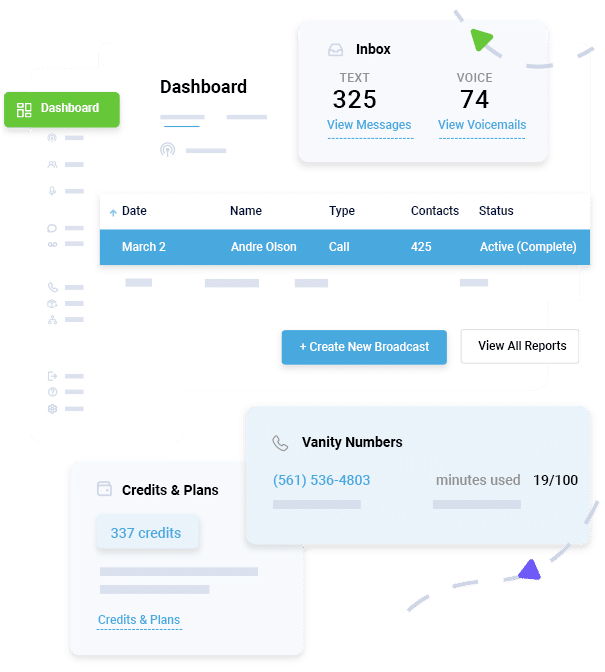
DialMyCalls supports modern, carrier-approved messaging routes built for compliance and reliability.
Businesses can:
Verified Toll-Free Numbers
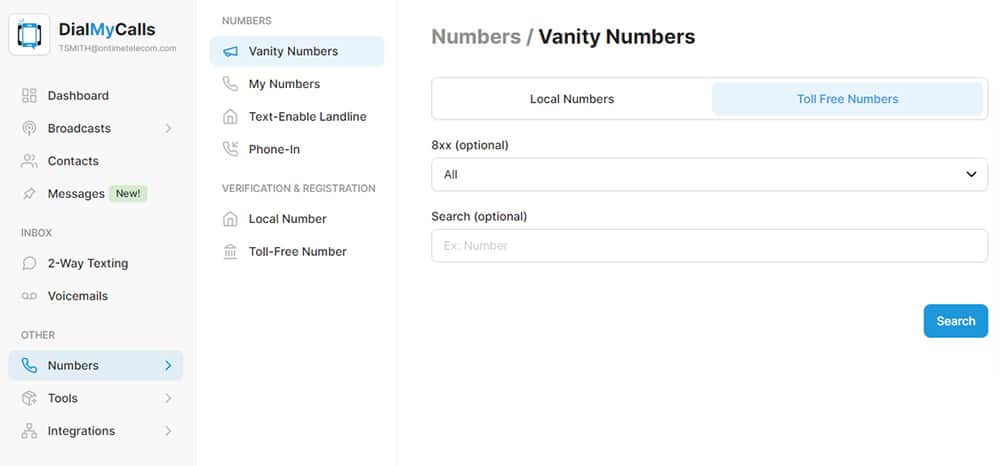
Send SMS using verified toll-free numbers.
Carrier Regulations
Maintain compliance with carrier regulations.
Opt-Ins
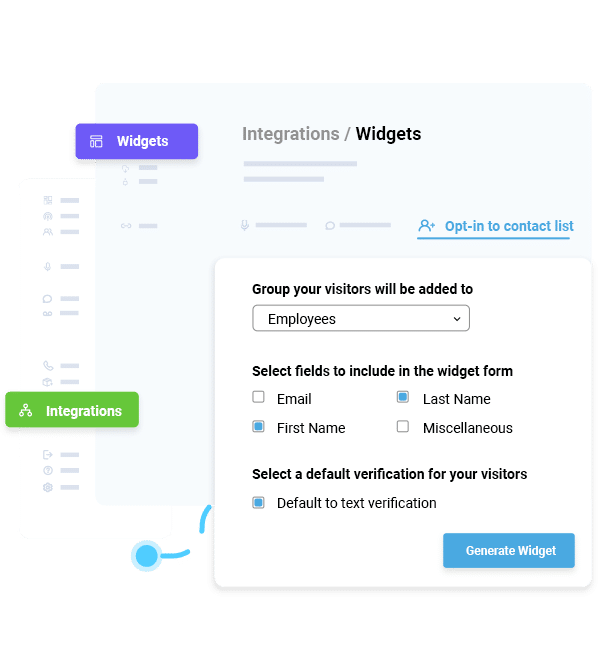
Manage opt-ins and messaging controls.
SMS, Voice, Email
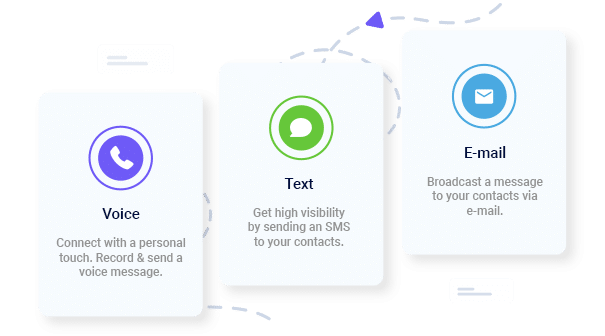
Use SMS alongside voice calls and email alerts.
Instead of relying on outdated short code models, DialMyCalls helps organizations communicate confidently without risking deliverability.
Keeping Up With Changes in Messaging Standards
Shared short codes are gone for good in the US. They were eliminated to stop spam, improve accountability, and protect consumers.
Today, compliant options like 10DLC, toll-free SMS, and dedicated short codes provide better deliverability and trust. Businesses that adapt now avoid filtering issues and future disruptions.
The path forward is clear. Register your messaging, follow carrier rules, and use platforms built for modern SMS compliance.
Shared Short Code FAQs
Are shared short codes still allowed in the US?
No. US carriers eliminated shared short codes. Businesses must use registered messaging options like 10DLC, toll-free SMS, or dedicated short codes.
Why did carriers eliminate shared short codes?
Shared short codes enabled spam, lacked sender accountability, and caused high consumer complaint rates. Carriers could not reliably identify abusive senders.
Is 10DLC better than short codes?
For most businesses, yes. 10DLC offers strong deliverability, lower cost, and required compliance without the expense of dedicated short codes.
Can businesses still use toll-free numbers for SMS?
Yes. Toll-free SMS is allowed and widely used once the number is verified and approved by carriers.
What happens if SMS messages are not registered?
Unregistered messages are filtered, blocked, or rejected by carriers, resulting in failed delivery and potential account suspension.
Reach Thousands, Instantly
Grow Your Business by Leveraging Mass Texting