Two things reign in emergency response: speed and accuracy. That’s especially true for crisis communication. Seconds often change outcomes, but sending instant alerts isn’t enough.
Without accuracy, speed loses power. Knowing your community received the message saves lives.
Real-time emergency analytics allow teams to move beyond sending and hoping. By turning alerts into actionable intelligence, organizations can finally answer: Which channels worked? Which resources are misdirected? How should we pivot right now?
Emergency notification systems with data insights aren’t just fast, but smart.
Introduction
When a disaster happens, like a tornado or a security breach, the main goal is clear: get people to safety. Information is more than words in an emergency—it’s a lifeline.
When people measure the stakes in seconds and safety, they effectively eliminate the margin for error.
That burden rests heavily on communication channels. In these high-stakes environments, the speed and accuracy of the message become just as critical as the response itself.
Guesswork, even with the best intentions, can quickly become a liability. Without real-time feedback loops, leadership questions whether their community stays informed or sits in silence. Relying on assumptions during a crisis is a risk no organization can afford to take.
That’s one reason modern alerting systems moved beyond the one-size-fits-all broadcast. By using real-time insights, like delivery receipts and response tracking, responders send local alerts quickly. These alerts provide important situational awareness.
These insights change as the situation changes. This ensures that the right people get the right information when they need it.
Leaders often race against a rapidly closing window to send the right message to the right people.
A few minutes of delay or an unopened message can change everything. It can be the difference between a safe evacuation and a disaster.
For serious injuries or heart issues, a person’s chance of survival decreases by 7–10% each minute without treatment, according to the Cleveland Clinic.
Most active shooter incidents are over in under 15 minutes, often before law enforcement even arrives on the scene. According to NOAA, a tornado warning might only provide a 13-minute lead time on average.
Delivery delays and mishaps send messages to the wrong people at the wrong time. As a result, people waste time confirming an emergency instead of getting to safety. They may even head directly into harm’s way.
What Are Emergency Alert Analytics?
Most of us have heard of marketing analytics. Those hoping to sell us the newest jeans or juiciest burger track how well they did by how much we buy.
Marketing analytics and emergency analytics share similar names, but they are vastly different.
Emergency analytics is the organized collection and study of data showing how people share and receive life-safety information, according to the FCC and FEMA.
The key metric here is how well the alert triggered protective action like evacuating or seeking shelter. In this respect, it’s all about delivery, reach, and response.
While marketing analytics concerns itself with sales and click-through-rates, emergency alerts focus on getting people out of a danger zone.
Key Metrics That Matter During an Emergency
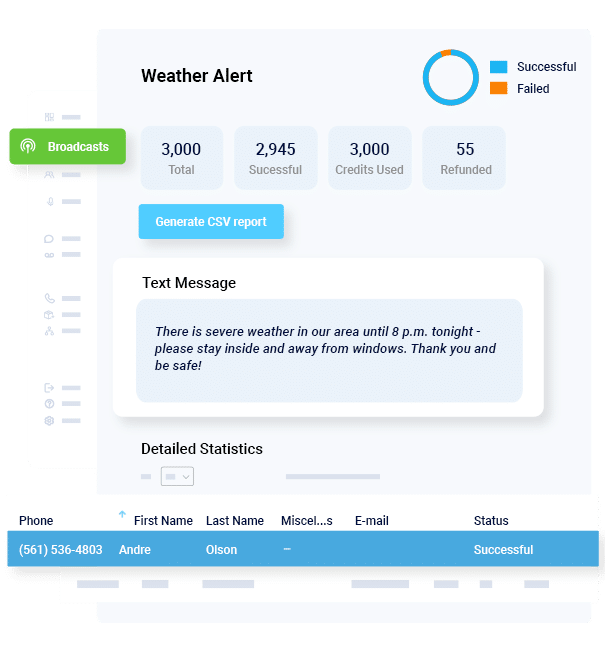
Delivery Status: Real-time dashboards track exactly where a message is in the pipeline. You can see immediately if alerts are pending, delivered, or failed.
Channel Performance: Different channels perform differently in every crisis. Analytics might show that SMS is delivering with 99% success while voice calls are failing. A tornado may have struck down the cell tower, for instance. Did the message still reach the public via FM radio or satellite-fed sirens?
Open & Acknowledgment Rates: Unlike a marketing email open rate, an emergency acknowledgment is a confirmation of life and awareness.
How Real-Time Insights Improve Emergency Decision-Making
Vital questions can be answered from these key metrics.
Failed delivery reports could indicate a clogged network blocking your signal, empowering you to quickly pivot to using a different channel.
A message may deliver, but no safety acknowledgements follow. Perhaps the language wasn’t clear or that community speaks another language. This may require someone to update or translate the message mid-incident.
Or perhaps your team should use a different medium. Younger communities especially benefit from text alerts, while older adults may prefer and believe frightening news through a more authoritative voice broadcast.
Maybe the lack of acknowledgement stems from a busy employee. In those common cases, escalation can make the message impossible to miss. It can use a more intrusive method, like a phone call or a desktop override.
Think of a security alert on a school campus. Busy professors in the middle of a lecture could easily ignore this.
If a professor’s device does not respond to the alert in 120 seconds, a mass notification system will trigger a desktop override. This will also make a loud voice call to the classroom landline. Even if someone silences their phone in a desk drawer, this escalation triggers safety protocols. With this kind of intelligence, precision replaces assumptions.
Instant Communication, Whenever You Need It
Send Real-Time SMS & Voice Call Alerts from Anywhere
Emergency analytics don’t expire after the safety check-in. In many ways, the most important analysis occurs in a post-incident review.
Reach and reliability of channels:
A forensic audit of the emergency response can help you find delivery delays and identify their source.
Redundancy Effectiveness: The analysis can give you the empirical evidence needed to prioritize one channel like SMS over another channel like email in the future.
If the analytics demonstrate a wide milling gap, your message may lack authority, empathy, or specificity recommended in FEMA’s Effective Communication guidelines. This could signal a need to rewrite your templates for better clarity.
Meeting compliance and audit requirements:
For many industries—such as healthcare (CMS), higher education (Clery Act), or corporate safety (OSHA)—keeping a record of communication is a legal requirement.
Modern emergency analytics provide an immutable, time-stamped log of every message sent, received, and acknowledged. This serves as your Black Box recorder, proving that your organization took every reasonable step to protect its people.
In a post-incident review, emergency analytics gets you past guesswork. It allows you to proactively improve training and preparedness so you can keep your community informed and safer.
Common Challenges Without Emergency Alert Analytics
Responding to an emergency without data means flying blind in a crisis.
It’s easy to make false assumptions about reach. You send an email to a mobile team. A desktop notification heads out to citizens without power. English texts deliver to a Spanish-speaking population.
Without analytics, teams can’t identify blind spots in delivery, whether from downed Wi-Fi, preferred channels, busy employees, or network congestion.
Rumors and panic set in. People waste precious seconds confirming an emergency, then make uniformed and possibly unsafe decisions. Rather than a managed evacuation, for example, highways clog, cell towers flood, and important messages can’t get through.
When messages fail to arrive, hit the wrong devices, or deliver to the wrong population segments, public trust erodes. Other than the worst possible outcomes, warning fatigue can set in. Eventually, even the loudest siren goes unheard like, for example, when citizens ignored tornado warnings after many prior non-threatening alerts.
In a high-stakes situation where lives are on the line, teams must pivot to a new channel, escalate messages, change message templates, and meet compliance standards within seconds.
Maximize Outreach, Save Time
Start Transforming Your Communication with Mass Texting
Best Practices for Using Emergency Alert Analytics
Here are some best practices to use when using emergency alert analytics:
Monitor Dashboards in Real-Time
Rather than sending and forgetting, actively track delivery success and failure rates during the incident. Identify network dead zones or unreached groups before it’s too late.
Combine Analytics with Geo-Targeting
Cross-reference delivery data with specific geographic locations. This ensures you aren’t just reaching people, but the right people.
Execute Multi-Channel Redundancy
If one channel is delayed or ineffective, verify that your backup channels pick up the slack.
Document Insights for Future Planning
Once the all-clear sounds, use your time-stamped logs to conduct a review. Identifying a 30-second bottleneck today can save lives in the next emergency.
How DialMyCalls Supports Emergency Alert Analytics
DialMyCalls’ streamlined, high-visibility platform translates complex data into life-saving decisions.
Real-Time Delivery Reporting
When you hit send, the clock starts. Track exactly when messages leave the system and arrive on devices. Identify and react to network delays immediately.
Visibility into SMS and Voice Alerts
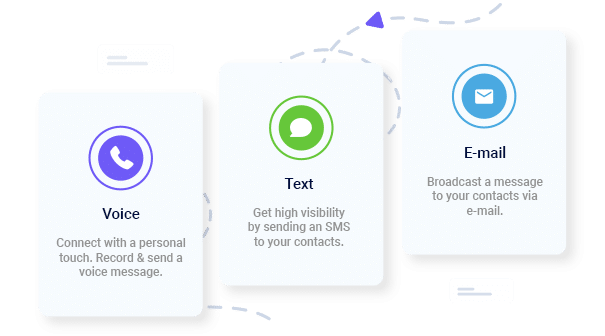
Our analytics break down performance by medium, empowering your teams to pivot quickly to reach everyone who needs information fast.
Actionable Insights Without Complexity
You don’t need to be a data scientist to manage a crisis. DialMyCalls prioritizes scannable data like delivery failure reports so you can focus on the people who haven’t responded. By simplifying the feedback loop, we restore precious seconds and help you improve your emergency plan.
Staying ahead in a crisis comes down to seconds. No leadership team wants to send a message and hope. Safety requires a strategy based on numbers.
That’s why many organizations and companies are switching from traditional blind methods of emergency outreach to real-time emergency analytics.
Analytics improve speed, clarity, and confidence. They pinpoint what’s working and what’s not working during an unfolding emergency. They serve as the data backbone to any post-incident review. With these insights, organizations have the numbers to back up compliance audits and make changes to future protocols.
Real-time emergency analytics is key to empowering smart, fast decisions. Smarter alerts equal safer outcomes.
Emergency Alert Analytics FAQs
What are emergency alert analytics?
Emergency alert analytics is the systematic collection and analysis of data regarding the delivery, reception, and response to life-safety information. It helps verify that vital messages successfully triggered protective actions like evacuations or sheltering.
Why are real-time insights important during emergencies?
This data removes guesswork, ensuring the right people receive life-saving information when seconds matter most.
What metrics matter most for emergency notifications?
The most critical metrics are delivery status, channel performance across SMS and voice, and active acknowledgment rates. These figures provide a clear picture of situational awareness.
Can analytics help improve emergency response times?
Yes. Analytics help identify bottlenecks and the need for message escalation, significantly reducing response lag. This helps overcome milling time and get people to safety faster.
How do organizations use alert analytics after an emergency?
Organizations use time-stamped logs and delivery data to conduct forensic audits, identifying human or technical bottlenecks to streamline future protocols. These analytics also provide an immutable record to meet legal and regulatory compliance requirements.
Are emergency alert analytics different from marketing analytics?
While marketing analytics focus on commercial engagement and sales, emergency analytics focus exclusively on life-safety, reach, and compliance. The goal isn’t to keep someone on a page, but to confirm they have received the information necessary to move out of harm’s way.
Keep Everyone Connected & Informed
Get the Word Out Quickly with Bulk Texting and Voice Calls
Ryan Betancur is an Emergency Management Planner at Hagerty Consulting and a proud US Army veteran. Drawing on years of experience, he specializes in healthcare and critical infrastructure emergency management, strategic planning, and business continuity. Ryan has been on the front lines managing COVID-19 responses in New Jersey and Illinois and supporting NYC's Migrant Crisis response. He holds a master's degree in Homeland Security and Emergency Management and multiple certifications in emergency preparedness.
“I am a youth minister and have spent hours in the past calling students individually to remind them of an upcoming event or to get out an urgent announcement. With DialMyCalls.com, I cut that time down to about 1 minute. I also love how I can see exactly who answered live and how long they listened so I know if they heard the whole message. DialMyCalls.com is the best website I have stumbled upon all year! Thanks!”
Real Results, Real ReviewsOver 40,000 customers trust our platform – and it shows.
4.3
502 Reviews
4.7
836 Reviews
Author
Ryan BetancurEmergency Management Planner
Ryan Betancur is an Emergency Management Planner at Hagerty Consulting and a proud US Army veteran. Drawing on years of experience, he specializes in healthcare and critical infrastructure emergency management, strategic planning, and business continuity. Ryan has been on the front lines managing COVID-19 responses in New Jersey and Illinois and supporting NYC's Migrant Crisis response. He holds a master's degree in Homeland Security and Emergency Management and multiple certifications in emergency preparedness.
“I am a youth minister and have spent hours in the past calling students individually to remind them of an upcoming event or to get out an urgent announcement. With DialMyCalls.com, I cut that time down to about 1 minute. I also love how I can see exactly who answered live and how long they listened so I know if they heard the whole message. DialMyCalls.com is the best website I have stumbled upon all year! Thanks!”
Fill out the form below to get a fast custom pricing quote specific for your
organization.Want to speak to our sales team now? Call us at
1-800-928-2086
Thank you!
A representative will be reaching out to you soon.
For immediate help you can call us on
800-928-2086.
Try Out DialMyCalls Now?
Enter a new password and click create account and you'll be able to send 25 test messages now.
Send A Sample Broadcast
We'll send a sample call or text to your phone right now. Remember when you use DialMyCalls you can record your message in your own voice. When the phone rings just pick up and say "Hello" to hear the message.