What Is NG9-1-1? How Next-Generation 911 Will Transform Emergency
Imagine you’re hiking in a remote area when you witness a serious accident. You call 911, but you can’t accurately describe the exact location to ensure a swift response. Or imagine an individual experiencing a home invasion. How do they silently alert emergency services? For decades, our 911 system struggled in these scenarios. But that’s changing.
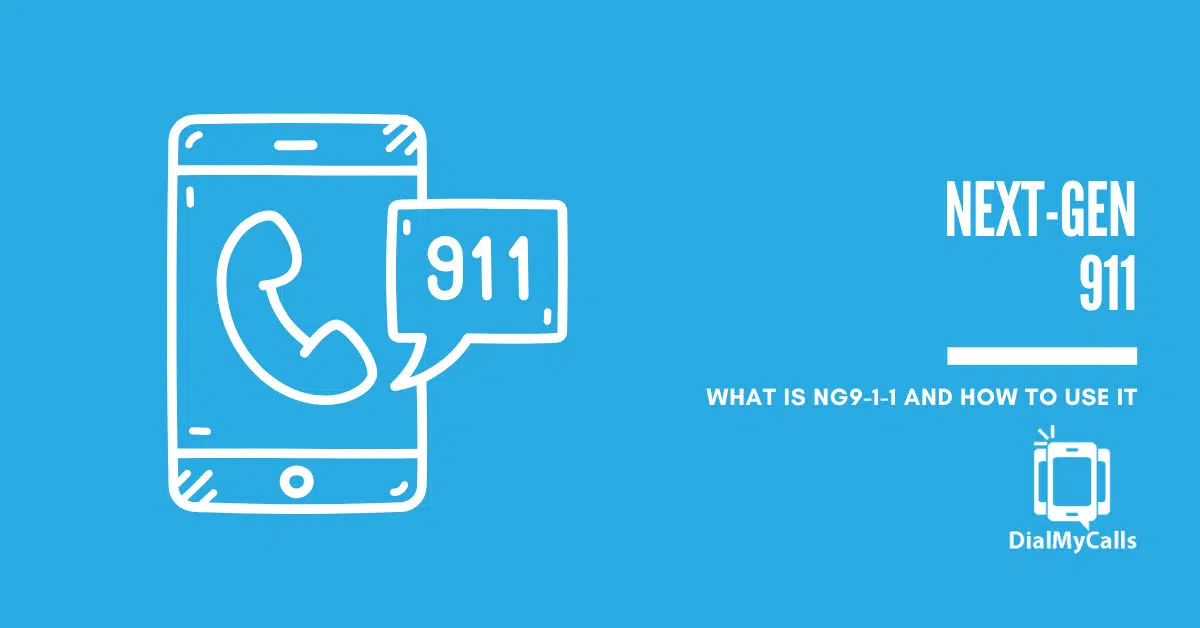
Next Generation 911 (NG9-1-1) is the modernization of America’s emergency communication infrastructure. According to the Federal Communications Commission, NG9-1-1 ensures interoperability and enables emergency communications centers to receive and process all types of 911 requests for emergency assistance.
This isn’t just a technical upgrade, it’s a complete reimagining of how we connect with emergency services in today’s mobile-first and multimedia world.
What Is NG9-1-1?
Next-Generation 911 (NG9-1-1) is an Internet Protocol (IP)-based emergency communication system that replaces outdated analog infrastructure with digital technology capable of handling voice, text, images, video, and real-time data.
The National Emergency Number Association (NENA) developed the i3 architectural standard that serves as the technical blueprint for NG9-1-1 systems, defining how Emergency Services IP Networks (ESInets) operate and interconnect.
This transformation means that Public Safety Answering Points (PSAPs)—the 911 call centers that answer your emergency calls—can now receive and process not just voice calls, but also text messages, photos from accident scenes, videos showing building layouts during active emergencies, and precise location data from smartphones and other connected devices.
Keep Everyone Connected & Informed
Get the Word Out Quickly with Bulk Texting and Voice Calls
How Traditional 911 Works Today
To understand why NG9-1-1 matters, we need to examine what we’re upgrading from. Traditional 911 systems operate on technology that, while reliable, has significant limitations in our digital age:
Voice-Only Communication
Legacy 911 can only handle voice calls. If you can’t speak, whether due to a medical emergency, a dangerous situation where speaking would put you at risk, or a disability, your options are extremely limited.
Analog Infrastructure
The system relies on decades-old analog circuits and Time Division Multiplexing (TDM) technology. These legacy networks use fixed routing through selective routers that simply weren’t designed for the dynamic, data-rich communications we use daily.
Limited Location Accuracy
While Enhanced 911 (E911) added automatic location information for landlines, accurately locating mobile callers remains challenging. The system often relies on cell tower triangulation, which can be off by hundreds of yards, a potentially fatal margin of error during emergencies.
Poor Support for Mobile Users
With over 240 million 911 calls made annually in the United States, and roughly 80% coming from mobile phones, the current system struggles to serve today’s communication realities.
NG9-1-1 vs Traditional 911
The differences between traditional 911 and NG9-1-1 are transformative:
| Feature | Traditional 911 | NG9-1-1 |
|---|---|---|
| Communication | Voice only | Voice, text, images, video, data |
| Network | Analog/TDM circuits | IP-based/ESInets |
| Location Accuracy | Cell tower triangulation | GIS-enabled, real-time PIDF-LO |
| Data Sharing | Minimal, siloed | Advanced, interoperable |
| Accessibility | Limited (TTY only) | Inclusive (text-to-911, video relay) |
| Network Resilience | Fixed routing, single points of failure | Cloud-based, redundant, flexible routing |
| Call Routing | Based on caller's phone number | Based on actual geographic location |
| Multimedia Support | None | Images, videos, sensor data |
| Inter-agency Coordination | Difficult, manual | Seamless, automated |
| Scalability | Limited by physical infrastructure | Highly scalable cloud architecture |
Key Technologies Behind NG9-1-1
Let’s walk you through the inner workings of NG9-1-1 that make it so effective in handling varying forms of emergencies.
IP-Based Networks
The foundation of NG9-1-1 is the Emergency Services IP Network (ESInet). As the Cybersecurity and Infrastructure Security Agency (CISA) describes, an ESInet is a dedicated, secure IP network that connects PSAPs, emergency response agencies, and originating service providers using Internet Protocol technology.
Unlike legacy 911’s fixed circuit-switched networks, ESInets offer extraordinary flexibility and scalability. They can dynamically route calls based on real-time conditions, automatically reroute around network failures, and handle massive spikes in call volume during emergencies.
GIS-Enabled Location Data
One of NG9-1-1’s most critical improvements is accurate caller location through Geographic Information System (GIS) integration. The NENA i3 standard specifies that location information must be embedded directly in call signaling using Presence Information Data Format—Location Object (PIDF-LO).
This technology is game-changing for mobile and Voice over Internet Protocol (VoIP) calls. Instead of rough approximations based on cell tower locations, NG9-1-1 can pinpoint callers’ locations with GPS-level accuracy.
Multimedia Support
NG9-1-1 transforms emergency communication from audio-only to fully multimedia. PSAPs can now receive text messages, photos, videos, and real-time data. This provides emergency responders with critical information and unprecedented situational awareness.
Cloud & System Redundancy
Modern NG9-1-1 systems leverage cloud architecture to provide disaster resilience. When Hurricane Katrina devastated New Orleans in 2005, many 911 centers went completely offline.
With NG9-1-1’s cloud-based infrastructure, call centers can automatically fail over to backup locations, and calls can be seamlessly rerouted to neighboring PSAPs during emergencies.
Cybersecurity Requirements
The transition to IP-based systems introduces new cybersecurity considerations. As CISA’s cybersecurity primer explains, NG9-1-1 networks face potential threats, including distributed denial-of-service (DDoS) attacks, ransomware, malware, and telephony denial-of-service (TDoS) attacks that could flood systems with fake calls.
Why NG9-1-1 Matters for Public Safety
Here are some of the key points that make NG9-1-1 transformative for today’s public safety requirements.
Faster Response Times
With accurate location data, multimedia context, and faster call processing, NG9-1-1 enables quicker, more informed emergency response. Dispatchers can see exactly where help is needed and what responders will encounter, allowing them to send the right resources immediately rather than spending precious minutes gathering basic information.
Better Situational Awareness
Visual information transforms emergency response. When a PSAP receives a video showing the extent of an active fire or photos documenting a multi-vehicle accident, dispatchers can make more informed decisions about resource allocation and potential hazards to anticipate.
Improved Accessibility
For the approximately 48 million Americans with hearing loss and millions more with speech disabilities, traditional voice-only 911 created dangerous barriers to emergency services. NG9-1-1’s text, video, and multimedia capabilities provide these individuals with direct, equitable access to help.
Enhanced Inter-Agency Coordination
Emergency response rarely involves just one agency. NG9-1-1’s interoperable architecture enables seamless information sharing across jurisdictional boundaries. PSAPs can transfer calls along with all associated data, using FirstNet, to the most appropriate response agency.
Network Resilience During Disasters
During major emergencies when call volumes surge, NG9-1-1’s flexible routing can dynamically distribute calls across multiple PSAPs, preventing any single center from being overwhelmed. This load-balancing capability wasn’t possible with legacy selective routers designed for fixed call paths.
Real-World Use Cases of NG9-1-1
Texting 911 During Domestic Violence Situations
Sarah is trapped in her bedroom while her abusive partner rages in the next room. Speaking on the phone would alert him to her call for help, putting her in immediate danger. With text-to-911 capability, she silently texts her location and situation to the PSAP.
Dispatchers receive her exact GPS coordinates, deploy officers with instructions for a quiet approach, and maintain a text conversation to gather crucial details about weapons, children in the home, and exit routes, all without creating sounds that might escalate the situation.
Sending Images During Natural Disasters
When wildfires threaten a rural community, residents can send real-time photos and videos showing fire locations, wind direction, and blocked evacuation routes. Emergency managers use this crowd-sourced visual intelligence to make critical decisions about evacuation orders, firefighting resource deployment, and road closures.
Video from Accident Scenes
A multiple-vehicle accident on a busy highway involves several overturned cars and possible hazmat exposure from a commercial truck. A witness streams video to 911 showing the full scope of the incident, visible chemical placards on the truck, and the number of victims requiring assistance.
Dispatchers can immediately alert hazmat teams, request additional ambulances, and provide responding units with visual previews of the scene, allowing them to better prepare their approach.
Accurate Location for Mobile Callers
A hiker suffers a fall in a remote area with limited landmarks. Instead of spending critical minutes trying to describe the general vicinity based on trail markers, NG9-1-1’s GIS integration provides search and rescue teams with precise latitude, longitude, and even elevation data.
What might have been a multi-hour search becomes a focused rescue operation with teams deployed to the exact coordinates.
School Safety and Active Threat Response
During an active threat situation at a school, NG9-1-1 enables staff to send silent text alerts to 911 with precise locations of the threat. Security camera feeds can be shared directly using RapidSOS with law enforcement command centers. Building floor plans with real-time updates about locked doors and safe rooms flow to responding officers’ mobile devices.
This comprehensive information integration helps protect lives and enables a faster, more coordinated response. DialMyCalls’ school notification systems complement this inbound capability with outbound notification systems that can instantly alert parents, staff, and the broader community during emergencies.
Instant Communication, Whenever You Need It
Send Real-Time SMS & Voice Call Alerts from Anywhere
Challenges in Implementing NG9-1-1
The implementation of NG9-1-1 introduces several challenges. Let’s explore them:
Funding and Budgeting Challenges
The transition to NG9-1-1 requires substantial investment in new infrastructure, equipment, and ongoing maintenance. According to congressional research, there’s no consistent federal funding source for NG9-1-1 implementation, leaving state and local governments to fund upgrades primarily through surcharge fees and general revenue.
Legacy System Integration
One of the most complex challenges is managing the transition while maintaining continuous 911 service. Many originating service providers have yet to disconnect from selective routers—the legacy call-delivery infrastructure—slowing the full transition to Next Generation Core Services (NGCS).
The NENA i3 standard anticipated this challenge by defining Legacy Network Gateways (LNGs) that translate between old and new systems, but managing this hybrid environment adds complexity and potential points of failure.
Training PSAP Personnel
NG9-1-1 fundamentally changes how telecommunicators do their jobs. Handling text conversations requires different skills than managing voice calls. Processing photos and videos while simultaneously coordinating emergency response demands new multitasking abilities and decision-making frameworks.
Call takers and dispatchers need comprehensive training on new software interfaces, cybersecurity awareness, data management protocols, and how to effectively use multimedia information.
Interoperability Between Agencies
While NG9-1-1 promises improved interoperability, achieving it requires coordination across multiple stakeholders. As the NG911 Interoperability Task Force explains, vendors can interpret the i3 standard differently enough that supposedly compliant solutions don’t always work together seamlessly.
Ensuring that one jurisdiction’s NG9-1-1 system can communicate effectively with neighboring systems requires not just technical compatibility but also operational agreements, shared governance frameworks, and coordinated implementation timelines.
Cybersecurity Risks
Moving to IP-based networks dramatically expands the potential attack surface for malicious actors. Legacy 911 systems, while outdated, benefited from their isolation from public networks. NG9-1-1’s connectivity creates new vulnerabilities to cyberattacks that could disrupt life-safety communications.
Implementing comprehensive cybersecurity programs requires dedicated resources, specialized expertise, and ongoing vigilance that strains already limited budgets.
How NG9-1-1 Fits Into a Modern Emergency Communication Strategy
It’s crucial to understand that NG9-1-1 and emergency notification systems serve complementary but distinct purposes in a comprehensive public safety communication strategy:
NG9-1-1 = Inbound Emergency Calls: This is how the public reaches emergency services. It’s the system that receives calls, texts, images, and videos from people experiencing emergencies.
Emergency Notification Systems = Outbound Alerts: These are the systems public safety agencies use to push information to the public: weather warnings, evacuation orders, missing person alerts, and other time-sensitive public safety information.
Both are essential for complete emergency communication. Here’s how they work together:
Example NG9-1-1 Flow
Emergency Received via NG9-1-1
A PSAP receives multiple calls reporting a chemical spill near a residential area. Enhanced location data and photos from the scene help emergency managers quickly assess the situation and determine that an evacuation is necessary.
Agencies Alert Residents via Emergency Notification Systems
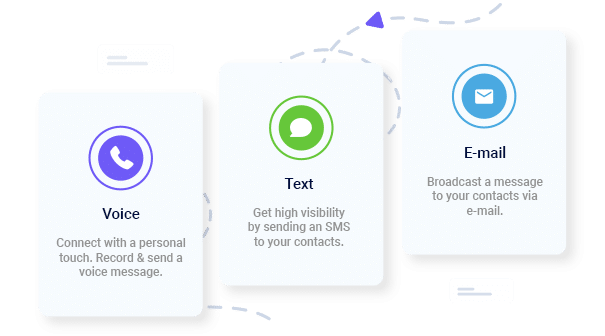
Using platforms like DialMyCalls’ emergency notification system, officials simultaneously send voice calls, text messages, and emails to everyone within the affected zone, providing clear evacuation instructions and assembly point locations.
Public Receives Timely Instructions
Residents get specific, actionable guidance through multiple channels, ensuring the message reaches people regardless of their communication preferences or disabilities.

This integration becomes even more powerful when emergency notification systems can deliver targeted alerts based on the same GIS data that powers NG9-1-1. For instance, DialMyCalls’ community notification system can use geographic boundaries to ensure alerts reach precisely the right people without causing unnecessary alarm to those outside the affected area.
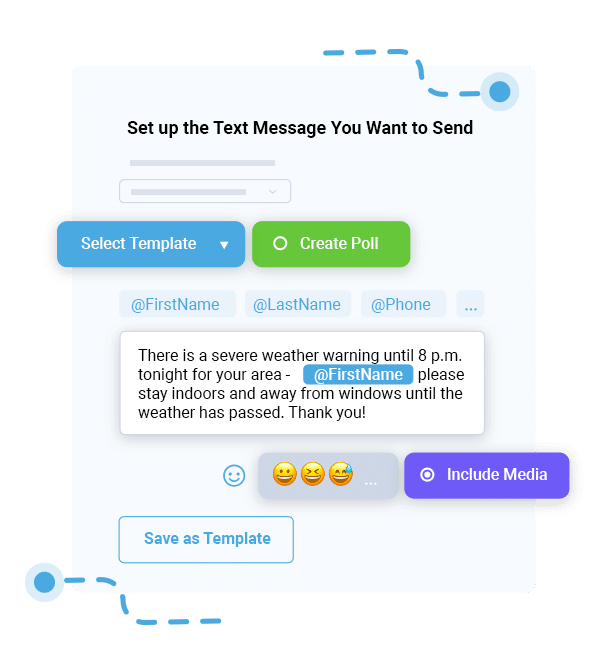
Emergency managers coordinating severe weather response use weather alert systems to push tornado warnings or flash flood alerts to specific geographic areas, while simultaneously managing inbound 911 traffic reporting damage, injuries, or people needing rescue.
The combination of NG9-1-1’s improved inbound capabilities and sophisticated outbound notification platforms creates a complete two-way emergency communication system.
Is Your Agency Ready for NG9-1-1?
Transitioning to NG9-1-1 requires careful planning and assessment across multiple dimensions. Use this readiness checklist to evaluate your agency’s preparedness:
Network Readiness
Assess your current infrastructure. Document all existing 911 network components, service providers, and connection points. Identify what can be upgraded versus what must be replaced entirely.
GIS Data Accuracy
Conduct a GIS data audit. Assess the completeness, accuracy, and currency of your geographic information systems data. Your agency will need to establish data maintenance processes, implement data validation, and coordinate with regional partners.
Staff Training
This will involve creating curricula covering new NG9-1-1 technologies, text call-taking procedures, multimedia processing, cybersecurity awareness, and changed workflows. Ongoing training and cross-training with partner agencies would be required to keep up with technology and best practices.
Cybersecurity Planning
Conduct risk assessments to identify potential vulnerabilities in your NG9-1-1 infrastructure and evaluate the likelihood and potential impact of various cyber threats. You’ll need to implement security frameworks, establish incident response plans, and conduct regular testing and exercises.
Emergency Notification Capabilities
While NG9-1-1 handles calls coming into your PSAP, you need robust tools for pushing alerts out to the public. Evaluate emergency notification platforms like DialMyCalls that can send mass notifications via voice, SMS, and email to keep your community informed during emergencies.
Budget Planning
There is a need to properly calculate the total cost of ownership, identify funding sources, and plan for sustainability. NG9-1-1 isn’t a one-time project but an ongoing operational commitment. Ensure your funding model supports not just implementation but continuous maintenance, upgrades, and staff development.
Conclusion
Next-Generation 911 is the most significant transformation in emergency communications since the original 911 system was established over 50 years ago. However, realizing this vision requires sustained commitment from federal, state, and local governments; telecommunications providers, technology vendors, and public safety agencies.
As jurisdictions across the United States continue their NG9-1-1 transitions, it’s essential to remember that emergency communication is a two-way street. While NG9-1-1 modernizes how the public reaches emergency services, agencies also need robust tools to push critical information back to their communities. That’s where platforms like DialMyCalls become invaluable.
Explore DialMyCalls’ emergency notification solutions to ensure your agency can effectively reach your community when every second counts. From emergency texting to comprehensive weather alert systems, DialMyCalls provides the outbound communication tools that complement your NG9-1-1 investments and help keep your community safe. Get started for free today.
Next-Generation 911 (NG-9-1-1) Frequently Asked Questions
What does NG9-1-1 stand for?
NG9-1-1 stands for Next-Generation 9-1-1. It refers to the modern, Internet Protocol (IP)-based emergency communication system that’s replacing the traditional analog 911 infrastructure built in the 1960s. The “next generation” designation reflects its ability to handle contemporary forms of communication, including text, images, video, and data.
Is NG9-1-1 available nationwide?
No, NG9-1-1 is not yet fully available nationwide. According to the National 911 Program, while at least 70% of the U.S. population lives in states that have begun implementing NG9-1-1, no state has achieved complete end-to-end deployment across all Public Safety Answering Points (PSAPs).
Can you text NG9-1-1?
Yes, text-to-911 is available in many locations, though not everywhere yet. According to the FCC, when a PSAP requests text-to-911 service, wireless carriers and text messaging providers must deliver the capability within six months. However, implementation remains the decision of individual call centers.
How is NG9-1-1 funded?
NG9-1-1 is primarily funded through state and local sources, mainly via 911 surcharge fees collected on telephone bills and general revenue funds. Unlike some other public safety initiatives, there is currently no dedicated federal funding stream for NG9-1-1 implementation. The federal government has occasionally provided grant programs, but these have been limited.
Does NG9-1-1 replace emergency notification systems?
No, NG9-1-1 does not replace emergency notification systems; they serve complementary purposes. NG9-1-1 is an inbound system that receives emergency calls, texts, images, and videos from the public to emergency services. Emergency notification systems are outbound platforms that push alerts, warnings, and instructions from public safety agencies to the community. Both are essential components of a comprehensive emergency communication strategy.
Stay Connected with Mass Notifications
Create & Send a Broadcast to Thousands in Seconds